Introduction
Cutting Utility Costs: An Overview
Utility bills are a monthly reality that can weigh heavily on household finances. From electricity and gas to water and waste disposal, these services are essential, but they come at a cost. However, with the right knowledge and strategies, you can significantly reduce these expenses without sacrificing comfort. In this article, we’ll explore practical and effective ways to save on utility bills, helping you make smarter choices to reduce waste and increase efficiency.
Why should you care?
Lowering your utility bills isn’t just about saving money—it’s also about contributing to a more sustainable lifestyle. By using resources like electricity, water, and gas more efficiently, you’re reducing your carbon footprint and conserving resources for future generations. Whether you’re looking to cut costs or live more sustainably, this article will offer insights into both.
What will you learn?
By the end of this article, you’ll gain a deeper understanding of how utility costs work, learn about energy-efficient habits, and discover actionable strategies to reduce your monthly bills. We’ll walk you through the basics, current trends, and examples to ensure that you can start applying these techniques right away.
Background
Understanding Utility Expenses
Before diving into ways to save on your utility bills, it’s important to understand what you’re paying for. Utility bills typically cover electricity, natural gas, water, sewer, and sometimes trash services. Each utility functions differently in terms of usage and billing, so understanding the structure can help you identify areas where savings are possible.
Key Terms to Know:
- Kilowatt-hour (kWh): This is how electricity usage is measured. One kWh equals the use of 1,000 watts of power for one hour.
- Therm: The measurement unit for natural gas usage.
- Tiered Pricing: Some utility providers charge higher rates as your usage increases, making it more expensive for heavy users.
- Off-peak Hours: Many utilities charge lower rates during times when demand is lower, usually during the evening or weekends.
The Historical Context: Utility systems have been around for centuries, evolving from basic water and sewage systems to the complex energy grids we use today. Over time, technological advances, government policies, and environmental concerns have shaped how utilities are managed and priced. In the past few decades, energy efficiency has become a major focus, as climate change and resource depletion have raised the stakes for responsible usage.
By understanding these foundational concepts, you’re better equipped to make informed decisions about your utilities.
Detailed Overview
How Utility Bills Add Up
Utility costs can quickly add up when we don’t pay close attention to how we use energy, water, and other services in our daily lives. Whether it’s leaving the lights on, taking long showers, or overusing heating and cooling systems, each decision impacts your monthly bill. Let’s take a closer look at each major utility—electricity, water, natural gas, and trash services—to better understand how they contribute to your overall costs and how you can manage them effectively.
1. Electricity
Electricity is one of the most expensive utilities for most households, and it’s often the hardest to manage because so many aspects of your home depend on it. Your bill is usually based on the amount of electricity you consume, measured in kilowatt-hours (kWh). Each electrical appliance and system you use throughout the day adds to this total.
Key contributors to electricity consumption:
- Heating and cooling systems (HVAC): These can account for almost 50% of your home’s electricity usage. Air conditioning in summer and heating in winter require significant amounts of energy, especially if your system is older or inefficient.
- Appliances: Large appliances such as refrigerators, washers, dryers, and ovens use substantial amounts of electricity. Even smaller appliances like microwaves and coffee makers can add to your bill, especially if used frequently.
- Lighting: Traditional incandescent bulbs are very inefficient. They waste up to 90% of their energy as heat instead of light, which is why switching to LED or CFL bulbs can lead to significant savings.
- Electronics: Devices like computers, televisions, and gaming consoles continue to use electricity even when they’re not in use if they remain plugged in (this is called “phantom” or “standby” energy use).
How to reduce electricity costs:
- Switch to energy-efficient appliances: Energy Star-rated appliances use less electricity than standard models, and upgrading can reduce your overall energy consumption by as much as 30%.
- Use smart power strips: These automatically cut power to electronics that are not in use, helping you avoid phantom energy use.
- Manage your thermostat: A programmable thermostat allows you to reduce heating and cooling costs by adjusting temperatures when you’re not at home or while you’re asleep.
- Switch to LED lighting: LEDs use 75% less energy and last much longer than incandescent bulbs, making them a great investment.
2. Water
Water might seem like a less significant utility cost compared to electricity or gas, but wasteful practices can lead to unnecessarily high bills. The cost of water isn’t just about what comes out of your faucets—it also includes sewer charges, which are often tied to water usage.
Key areas of water consumption:
- Showering and bathing: Showers are one of the biggest water users in a home, especially if family members tend to take long, hot showers. Standard showerheads can use up to 2.5 gallons of water per minute, which adds up quickly.
- Toilets: Older toilets can use up to 6 gallons per flush, compared to newer models that use just 1.6 gallons.
- Washing machines and dishwashers: These appliances use both water and energy, so it’s crucial to run full loads to maximize efficiency.
- Outdoor use: Watering your lawn, garden, or washing your car can account for a large portion of your water bill, especially in warmer months.
How to reduce water costs:
- Install low-flow fixtures: Replacing your showerheads, faucets, and toilets with low-flow models can reduce water usage by up to 60%.
- Fix leaks immediately: A leaky faucet can waste over 3,000 gallons of water annually, and a leaking toilet can waste even more.
- Use efficient washing appliances: Only run your dishwasher and washing machine with full loads, and opt for energy- and water-efficient models when upgrading.
- Water outdoor plants wisely: Watering in the early morning or late evening reduces evaporation, and using a drip irrigation system can conserve water in your garden.
3. Natural Gas
Natural gas is commonly used for heating, cooking, and water heating in many homes. If your home uses gas for any of these purposes, you’ll notice that your gas bill fluctuates with the seasons—higher in the winter due to heating and lower in the summer. Gas usage is measured in therms, and your bill is based on how many therms you consume.
Key contributors to natural gas consumption:
- Heating systems: Gas furnaces are one of the most common uses of natural gas, especially in colder climates. Older, inefficient furnaces can consume significantly more gas than newer, high-efficiency models.
- Water heaters: Heating water for showers, dishwashing, and laundry is another major contributor to gas usage. Water heaters typically run 24/7, so their efficiency plays a big role in your gas consumption.
- Cooking appliances: Gas stoves and ovens tend to use less energy than electric ones, but frequent use can still contribute to higher bills.
How to reduce gas costs:
- Upgrade your heating system: Replacing an old furnace with a high-efficiency model can cut your heating costs by as much as 30%.
- Lower the water heater temperature: Setting your water heater to 120°F (49°C) instead of the typical 140°F can save a substantial amount of gas without sacrificing comfort.
- Seal drafts and insulate your home: Proper insulation and weather-stripping around doors and windows prevent heat from escaping, reducing the need for gas heating.
- Use a programmable thermostat: This allows you to lower the temperature while you’re asleep or away, cutting down on gas usage without sacrificing comfort.
4. Trash and Recycling Services
While trash and recycling services are often charged as a flat fee on your utility bill, there are still ways to reduce costs, particularly if you live in an area that charges by the amount of waste you generate.
Key contributors to waste service costs:
- Household waste: The more waste you produce, the more you may pay for trash services, especially in areas with pay-as-you-throw programs.
- Recyclables: Many cities offer free or discounted recycling programs, which can offset the cost of waste removal.
- Composting: Organic waste like food scraps can be composted instead of thrown out, reducing the volume of trash you generate.
How to reduce trash service costs:
- Recycle: Paper, plastic, metal, and glass are all recyclable, and diverting these items from the trash can lower your waste output significantly.
- Compost: If you have a garden, composting food scraps and yard waste can turn potential trash into valuable fertilizer for your plants.
- Buy reusable products: Investing in reusable shopping bags, water bottles, and containers can help reduce the amount of waste you produce.
Summary of How Utility Costs Accumulate:
Each utility—electricity, water, gas, and waste—plays a significant role in your overall household expenses. While these services are necessary, the amount you pay can be influenced by how efficiently you use them. By understanding where your consumption is highest, you can take targeted steps to reduce waste and lower your bills. From upgrading appliances to making smarter daily choices, the potential for savings is within your control.
Making these changes may require an initial investment, but over time, you’ll notice that even small adjustments can lead to significant reductions in your monthly utility costs. By being mindful of how you use electricity, water, and gas, and by reducing waste, you’ll not only save money but also contribute to a more sustainable and energy-efficient lifestyle.
Current Relevance
Modern Trends in Energy Savings
Saving on utility bills has never been more relevant, as both costs and environmental awareness continue to rise. Here are some trends and recent developments:
1. Smart Home Technology
Smart thermostats, energy monitors, and connected appliances are revolutionizing how we use energy. Devices like the Nest Thermostat or energy monitors can optimize heating, cooling, and appliance usage, reducing waste by adjusting settings based on your habits.
2. Renewable Energy Options
Solar panels and wind energy systems have become more affordable and accessible. Many homeowners are choosing to install solar panels to offset their electricity use and even sell back excess energy to the grid. Additionally, some utility companies offer green energy plans where a percentage of your energy comes from renewable sources.
3. Government Incentives
Many governments offer rebates and tax incentives for homeowners who make energy-efficient upgrades or install renewable energy systems. For example, in the U.S., federal tax credits exist for solar panels, energy-efficient windows, and HVAC systems.
4. Rising Utility Costs
Inflation and infrastructure costs have caused utility prices to increase. Utility providers are upgrading aging systems, and environmental regulations are also impacting prices. This makes saving on utilities more important now than ever before.
5. Energy Deregulation
In some areas, consumers can choose their electricity provider. This gives you the power to shop around for the best rates and service packages, which can lead to lower costs.
Practical Applications and Strategies
Practical Tips for Lowering Bills
Reducing your utility bills doesn’t have to be complicated, but it does require a thoughtful approach and some planning. The good news is that there are numerous strategies, both big and small, that can help lower your electricity, gas, water, and even trash-related expenses. In this section, we will explore a variety of practical, real-world methods that you can implement to start saving on your utility bills today. From home energy audits to smart home technology, these techniques will help you take control of your household expenses.
1. Home Energy Audits
A home energy audit is one of the most effective first steps toward reducing your utility bills. It involves a thorough examination of your home’s energy use, typically conducted by a professional, although DIY tools are available for homeowners to do their own assessments. The goal is to identify areas where your home is losing energy or using more power than necessary. These audits will help pinpoint problem areas such as poor insulation, air leaks, inefficient appliances, and outdated heating or cooling systems.
Benefits of a home energy audit:
- Personalized solutions: Every home is different, so an audit will provide specific recommendations tailored to your house, such as where to add insulation or what appliances to upgrade.
- Cost savings: Identifying inefficient energy usage often results in actionable changes that can save you anywhere from 5% to 30% on your energy bill, depending on the improvements made.
- Improved comfort: Energy-efficient upgrades often make your home more comfortable, reducing drafts, keeping temperatures more consistent, and improving indoor air quality.
What’s involved in a home energy audit?
- Thermal imaging: This detects areas where heat is escaping from your home.
- Blower door test: This measures the air tightness of your home, helping to find drafts or leaks.
- Appliance review: The auditor will inspect your appliances and may recommend upgrades if they are outdated or inefficient.
- Lighting evaluation: The audit will identify whether switching to LED or CFL bulbs can help reduce your electricity usage.
Pro tip: Many utility companies offer free or low-cost energy audits. Be sure to check with your provider to see if this service is available in your area.
2. Appliance Upgrades
Old, inefficient appliances are one of the most significant contributors to high utility bills. If your refrigerator, washing machine, or water heater is over 10–15 years old, it’s likely using far more energy than newer, more efficient models. Upgrading to Energy Star-certified appliances can lead to significant energy savings. These appliances are tested and certified to meet strict energy efficiency standards set by the U.S. Environmental Protection Agency.
Appliances to upgrade for maximum savings:
- Refrigerators: Older refrigerators use up to twice as much electricity as modern Energy Star models. Look for models with top-mounted freezers, which are more efficient.
- Washing machines: High-efficiency washing machines use less water and energy per load. Front-loading washers typically use less water than top-loading models.
- Water heaters: Traditional water heaters constantly keep water hot, using a lot of energy in the process. Switching to a tankless water heater can save you money, as it only heats water when you need it.
- HVAC systems: Heating and cooling can account for nearly half of your home’s energy use. Upgrading your furnace, air conditioner, or heat pump to a more efficient model can cut your energy use by up to 20%.
Pro tip: Look for government rebates or tax credits when upgrading to energy-efficient appliances. Many states offer incentives for homeowners who make energy-saving improvements.
3. Thermostat Adjustments
Heating and cooling account for a substantial portion of most households’ utility costs. By making simple adjustments to your thermostat, you can reduce your energy consumption without sacrificing comfort. A programmable thermostat can be set to automatically adjust the temperature based on your daily routine, ensuring that you’re not wasting energy when you’re away from home or asleep.
Best practices for thermostat adjustments:
- In the winter: Set your thermostat to 68°F (20°C) during the day and lower it by 10–15°F when you’re asleep or out of the house. According to the U.S. Department of Energy, this can save you up to 10% a year on heating.
- In the summer: Set your thermostat to 78°F (25.5°C) when you’re at home and higher when you’re away. Every degree you raise your thermostat saves about 6%–8% on cooling costs.
- Use a programmable thermostat: This allows you to automatically adjust your home’s temperature based on your schedule. For example, you can set it to lower the heat when you leave for work and have the house warmed up by the time you return.
Consider smart thermostats:
Smart thermostats, like the Nest or Ecobee, offer even greater control by learning your preferences and adjusting temperatures automatically. They can also be controlled remotely through your smartphone, making it easier to save energy when you’re not at home.
Pro tip: In addition to lowering your thermostat, make sure to change or clean your HVAC system’s air filters regularly. Dirty filters can reduce efficiency and increase energy use.
4. Efficient Lighting Solutions
Lighting accounts for about 10%–12% of your energy bill. While it may seem like a small percentage, switching to more efficient lighting can yield noticeable savings. LED (light-emitting diode) bulbs are the most energy-efficient option available, using about 75% less energy than incandescent bulbs and lasting up to 25 times longer. They also produce less heat, which can reduce cooling costs in the summer.
Benefits of LED lighting:
- Energy savings: LEDs use far less electricity than traditional incandescent or halogen bulbs, making them a cost-effective choice for most households.
- Longevity: LEDs last up to 25,000 hours compared to about 1,000 hours for incandescent bulbs, which means fewer replacements and long-term savings.
- Reduced heat: Unlike incandescent bulbs, LEDs don’t produce as much heat, which can help lower cooling costs during the warmer months.
Additional lighting tips:
- Use natural light: Take advantage of daylight to reduce the need for artificial lighting. Open curtains and blinds during the day to let in sunlight.
- Install dimmer switches: Dimmer switches allow you to adjust the brightness of your lights, using less electricity when full brightness isn’t needed.
- Outdoor lighting: Consider using solar-powered outdoor lights, which charge during the day and light up at night without using electricity.
5. Weatherproofing Your Home
Weatherproofing your home involves sealing any gaps, cracks, or leaks that allow air to escape or enter your house. This step is essential for maintaining comfortable temperatures without overworking your HVAC system. In the winter, air leaks can let warm air escape, making your furnace work harder. In the summer, cool air can escape, increasing the load on your air conditioner. Sealing your home properly can prevent this energy waste and lead to significant savings.
Weatherproofing steps to take:
- Seal windows and doors: Use caulk or weatherstripping to close gaps around windows and doors where air can escape.
- Insulate your home: Proper insulation in the attic, walls, and floors can significantly reduce heating and cooling costs. Insulating your attic can provide one of the highest returns on investment when it comes to energy savings.
- Install storm windows or doors: These add an extra layer of protection against drafts and can increase the energy efficiency of your home’s windows.
- Seal ductwork: Leaky ducts can account for up to 30% of a home’s heating and cooling losses. Sealing and insulating ducts, especially in unconditioned spaces like attics or crawl spaces, can improve your system’s efficiency.
6. Water Conservation Techniques
Water conservation is not only beneficial for reducing your water bill but also for conserving a precious natural resource. Implementing water-saving techniques can have an immediate impact on your utility expenses.
Key water conservation methods:
- Low-flow fixtures: Install low-flow showerheads and faucets to reduce water usage without sacrificing water pressure. Low-flow fixtures can cut water consumption by up to 60%.
- Efficient laundry habits: Wash clothes in cold water when possible and only run the washing machine when you have a full load. This not only saves water but also reduces the energy needed to heat water.
- Fix leaks promptly: Even a small leak can waste hundreds of gallons of water over time. Check for leaky faucets, toilets, and pipes, and repair them as soon as you notice an issue.
- Water-efficient landscaping: Consider xeriscaping, which uses drought-tolerant plants, or install a drip irrigation system that minimizes water waste in your garden.
Smart water usage:
Smart water meters can help you track your water usage and identify areas where you might be using more water than necessary. Many smart meters can also detect leaks early, allowing you to address them before they become a major issue.
Pro tip: Upgrade to a high-efficiency toilet. Toilets are one of the largest water consumers in your home, and replacing an old model with a high-efficiency one can save thousands of gallons per year.
7. Renewable Energy and Government Incentives
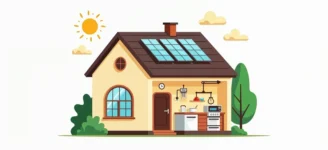
For homeowners looking to make a long-term investment in utility savings, renewable energy systems such as solar panels are becoming more affordable and accessible. Installing solar panels can dramatically reduce your electricity bills, and in some cases, even allow you to sell excess energy back to the grid.
Government incentives and rebates:
Many governments offer tax credits, rebates, and incentives for homeowners who install renewable energy systems or make energy-efficient upgrades to their homes. These incentives can significantly offset the initial costs of solar panels, energy-efficient windows, insulation, and more.
Pro tip: Before installing solar panels, check with your local utility provider about net metering options, which allow you to sell back any excess energy your system produces.
By implementing these strategies, you can significantly reduce your utility bills while also contributing to a more energy-efficient and sustainable home. The key is to be proactive and look for small changes that, when combined, add up to big savings over time. Whether you’re upgrading appliances, sealing your home, or adjusting your thermostat, each step moves you closer to a lower, more manageable utility bill.
Common Mistakes and Pitfalls
Avoid Common Utility Mistakes
While saving on utility bills is achievable, there are some common mistakes that people often make:
1. Ignoring Small Leaks
A slow drip from a faucet or toilet might seem minor, but it can lead to hundreds of gallons of wasted water over time. Make sure to fix leaks as soon as you spot them.
2. Using Old Appliances
Old refrigerators, water heaters, or air conditioning units often consume far more energy than newer models. Holding on to these appliances can cost you more in the long run.
3. Overlooking Insulation
Many homes, especially older ones, are under-insulated. Failing to upgrade insulation can result in significant energy losses, particularly in the attic and walls.
4. Not Taking Advantage of Time-of-Use Rates
Many utility companies offer reduced rates during off-peak hours, usually at night or early in the morning. Scheduling energy-heavy activities like running the dishwasher or doing laundry during these times can result in savings.
5. Keeping Electronics Plugged In
Even when not in use, electronics like TVs, computers, and chargers consume power if left plugged in. Unplugging devices or using power strips can help avoid “phantom” energy use.
Conclusion
Key Takeaways and Next Steps
Saving on utility bills is not only about reducing costs but also about making conscious choices that benefit the environment. By understanding your usage patterns and applying the strategies outlined in this guide, you can achieve noticeable savings.
Key Takeaways:
- Upgrade to energy-efficient appliances and lighting.
- Seal drafts and insulate your home to minimize energy loss.
- Monitor and adjust your energy usage with smart technology.
- Consider renewable energy options and government incentives.
Making small, consistent changes will add up over time, helping you lower your utility bills and contribute to a more sustainable future. Take action today by reviewing your current usage and identifying opportunities to improve your home’s energy efficiency.