Do You Know Where Your Last $100 Went?
Most people don’t. One minute it’s in the bank, the next it’s gone—spent on food delivery, forgotten subscriptions, and that oddly satisfying impulse buy. That’s the reality for millions trying to figure out where their money goes. Knowing how to track your income and expenses isn’t just about cutting back on fancy coffees—it’s about gaining control.
This guide helps beginners build a clear picture of where their money comes from and where it disappears. By the end, you’ll be able to read your bank statement like a story, spot patterns in your spending, and decide what changes—if any—will improve your financial well-being.
Introduction
Why Tracking Your Money Changes Everything
If you’ve ever had more month than money, you already understand the stakes. At its core, this topic is about your ability to live the life you want, not the one your paycheck forces you into. Knowing how much money comes in and where it goes gives you control. It lets you plan, save, spend wisely, and avoid surprises.
This article will walk you through how to think about income and expenses in a way that’s simple, practical, and effective. Whether you’re earning your first paycheck or juggling multiple income streams, learning how to manage your cash flow is the foundation of every strong financial decision.
Background
What Money Comes In—and What Goes Out
Before we get into specifics, let’s define the terms.
Income is any money you receive. That includes your job salary, tips, freelance payments, government benefits, and even birthday money if you’re tracking it.
Expenses are any costs you pay—whether for necessities like rent and groceries or wants like movie tickets and gym memberships.
The key to building wealth is this: your income must be higher than your expenses over time. That gap is what gives you room to save, invest, and eventually make choices about work, housing, and lifestyle.
Historically, income and expense tracking wasn’t done on apps or spreadsheets—it was done with notebooks, envelopes, and mental math. Today, there are easier tools, but the goal hasn’t changed: know what you earn, know what you spend, and stay in the positive.
People who build wealth typically start with this one habit: tracking what they make and spend. It’s not about being perfect—it’s about being aware.
Detailed Overview
How to Figure Out Where You Really Stand
If your bank account ever surprises you in a bad way, this section is for you. Getting a grip on what you bring in and where it all goes is the difference between running your money—or your money running you.
Let’s start simple. This is about knowing two basic things:
- How much money is coming in
- How much money is going out
Once those are clear, every other financial decision becomes easier.
Step 1: Track Your Income
Income is any money you receive. It can show up weekly, biweekly, monthly, or randomly. That includes:
- Paychecks from your job (after taxes)
- Side gig earnings
- Freelance payments
- Government assistance
- Child support or alimony
- Bonuses or commissions
- Investment interest or dividends
- Refunds or rebates
If your pay varies from month to month, start with an average based on your last three months. Round down if needed—it’s safer to plan with a little cushion.
Example:
- Job: $2,800/month
- Weekend food delivery: $400/month
- Tax credit: $150/month
Estimated total income: $3,350/month
You don’t need fancy software to do this. You can use a notebook, a spreadsheet, or an app. The key is writing it down so you’re not guessing.
Step 2: List Every Expense
This is the part people often skip, fudge, or ignore. But it’s where most of the surprises hide. Don’t guess. Look at your bank statements, receipts, or payment history.
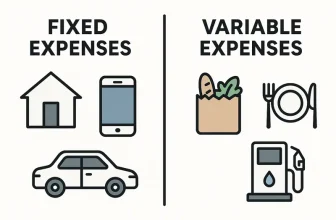
Split your expenses into two types: fixed and flexible.
Fixed Expenses:
These show up the same way each month:
Flexible Expenses:
These go up and down depending on your choices or habits:
- Food
- Gas
- Clothing
- Entertainment
- Shopping
- Miscellaneous splurges
Be honest with yourself. If you spent $475 on food delivery last month, don’t write $200 because that’s what you wish it had been. The goal isn’t perfection—it’s clarity.
Example of monthly spending:
- Rent: $1,200
- Car payment: $300
- Insurance: $180
- Groceries: $450
- Streaming services: $45
- Takeout: $275
- Gas: $160
- Cell phone: $90
- Subscriptions: $60
- Gym: $40
Estimated total expenses: $2,800/month
That leaves a balance of $550 each month, based on the earlier income example. That’s your breathing room. You can put it toward savings, paying down debt, or planning ahead.
If that number is negative, you’re spending more than you make—and that needs attention right away.
Step 3: Watch for Irregular Costs
Some expenses don’t come monthly, but they still count. If you only focus on rent and takeout, you’ll forget about:
- Annual car registration
- Holiday shopping
- School fees
- Birthday gifts
- Medical bills
- Vet visits
- Travel
Look back at the past year to spot these types of costs. Then divide them into a monthly average so you’re not caught off guard.
Example:
Holiday travel: $600 ÷ 12 = $50/month
Vet visits: $300/year ÷ 12 = $25/month
That brings your real monthly spending closer to $2,875, not $2,800.
Step 4: Compare and Reflect
Now subtract your total monthly expenses from your total monthly income. If the number is positive, you have space to save, invest, or spend with intention. If it’s negative, you may need to trim spending or increase income.
Even if you’re breaking even, look for ways to shift your money into areas that support your goals. That could mean:
- Reducing unnecessary subscriptions
- Swapping takeout for meal prep once a week
- Carpooling to cut gas costs
- Shopping with a list to avoid impulse buys
These tweaks don’t require major sacrifice. They simply redirect money in a way that supports your bigger picture.
Step 5: Make It a Habit
Tracking once is helpful. Tracking every month builds awareness. After a few cycles, you’ll start spotting patterns—good or bad.
You may realize:
- You consistently spend more on groceries than planned
- Your streaming bill doubled without noticing
- A subscription you forgot is still charging you
With this knowledge, you’re no longer in the dark. You can make changes, catch mistakes, and take control of your choices.
Set a recurring reminder once a week to check your account. Review your numbers at the end of the month. These small actions make a big difference.
Being clear about your income and expenses isn’t about cutting every pleasure out of your life. It’s about knowing what your money is doing. If you don’t know where your dollars go, it’s easy to feel like you’re always behind—no matter how much you make.
Start with what you earn. Track what you spend. And give yourself the space to see it clearly, without pressure, without shame.
That’s how change begins.
Current Relevance
Why This Is So Relevant Right Now
Tracking income and expenses isn’t just for people with lots of money. In fact, people working with smaller budgets benefit even more. Knowing where every dollar goes can be the difference between getting ahead and staying stuck.
Right now, many households are struggling with rising costs—rent, groceries, healthcare, and more. A recent survey showed that over 60% of Americans live paycheck to paycheck. That doesn’t mean they’re irresponsible—it often means they’re unaware.
And it’s not just about preventing overspending. It’s about creating flexibility. When you know what your monthly needs are, you can set up an emergency fund, adjust your lifestyle during tough times, or decide whether you can afford a vacation without guilt.
Practical Applications and Strategies
How One Change Helped Sarah Stop Living Paycheck to Paycheck
Sarah earns $3,200 a month from her full-time job. She thought she was managing fine—until her car needed a $900 repair. She didn’t have the money, so she put it on a high-interest credit card.
After that, she sat down and tracked her expenses. She realized she was spending:
- $400/month on takeout
- $300/month on subscriptions and apps she barely used
- $200/month at Target without a real plan
She made simple changes:
- Cut back takeout to once a week
- Canceled half her subscriptions
- Started meal planning to reduce impulse shopping
She freed up over $600 a month and started building an emergency fund. Tracking her income and expenses didn’t change her salary—but it changed her life.
How You Can Apply This Today
Here’s a simple system that works even if you’re not a spreadsheet person:
Step 1: Choose a method
Use an app, a notebook, or a spreadsheet. The best system is the one you’ll stick with.
Step 2: Track your income
List every source and how often you get paid.
Step 3: Track every expense for 30 days
Yes, every coffee and convenience store run. This helps you see patterns.
Step 4: Sort expenses into categories
Look for areas that are higher than expected.
Step 5: Make adjustments
You don’t have to stop living. Just make small changes that align better with your goals.
Tips that help:
- Automate savings the same day you get paid
- Do a weekly check-in with your bank balance
- Label wants vs. needs (not to shame yourself—just to stay aware)
- Set spending limits for areas like takeout or entertainment
Common Mistakes and Pitfalls
Common Mistakes That Mess Up Your Budget
Most budgeting efforts fail not because people don’t care, but because they don’t track everything. Here are a few common mistakes:
Mistake #1: Guessing Your Expenses
If you say you “probably spend $200 on groceries” but don’t check receipts, you could be off by hundreds.
Mistake #2: Forgetting Irregular Costs
Birthday gifts, car maintenance, or holiday travel can throw off your plan if you don’t include them in your monthly view.
Mistake #3: Not Updating Income Changes
If your hours change or you take on a side gig, update your plan. It should reflect real life, not a version from six months ago.
Mistake #4: All or Nothing Thinking
Missing a week doesn’t mean the system is broken. Pick it back up and keep going.
Mistake #5: Hiding from Reality
If it hurts to look at your bank balance, that’s a sign—not of failure—but of the need for a new plan. Looking away won’t fix it. Looking at it will.
Conclusion
What to Do with Everything You Just Learned
Managing your income and expenses isn’t about restriction. It’s about clarity. Once you know where your money goes, you can decide what to keep, what to change, and what goals you want to reach next.
The process might feel uncomfortable at first—like stepping on a scale after the holidays. But knowledge gives you the ability to make smarter choices, lower stress, and move forward with confidence.
If you’re starting fresh, begin by tracking for 30 days. That alone will tell you more than any advice column ever could. And don’t be surprised if you feel a little more relaxed the next time you open your banking app.
Where does your money go—and is it going where you want it to?
That’s the question that matters. Spend the next few weeks answering it. You don’t need a perfect system or a finance degree. Just a little curiosity, a way to track your cash, and the honesty to look at your numbers.
Small steps lead to major change. Whether you’re trying to save for something big or just tired of overdraft fees, it all starts by paying attention.
That’s the first step—and it’s one you can take today.