Introduction
Getting Hit with a Bill You Didn’t See Coming? You’re Not Alone
A car breaks down. A surprise medical bill shows up. Your pet needs surgery. One minute, you’re budgeting for the month—the next, your bank balance drops faster than you can blink. That’s why learning how to handle unexpected expenses isn’t just smart. It’s necessary.
If you’re just getting started with your finances, you might feel overwhelmed. But there’s good news: handling unexpected expenses isn’t about having a six-figure emergency fund. It’s about building habits, knowing your options, and reacting with a plan instead of panic.
By the end of this guide, you’ll have a clearer view of what to do when surprise costs strike—and how to bounce back stronger.

Why Unexpected Expenses Matter More Than You Think
Unexpected expenses are the #1 reason people dip into savings, rack up credit card debt, or fall behind on bills. For beginners, they can wipe out progress fast. Knowing how to handle unexpected expenses is a foundational skill that keeps you in control, even when life throws curveballs.
Background
The Basics: What You Need to Know First
Before we get into action steps, let’s break down what we’re talking about.
An unexpected expense is any cost that wasn’t planned for. That could be a medical emergency, home repair, job loss, legal fees, or even a last-minute trip for a family emergency.
They fall into two categories:
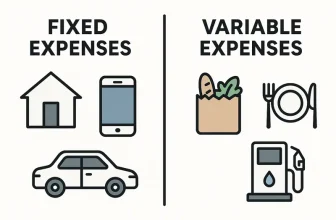
- Irregular but Predictable (e.g., car maintenance, dental work)
- Truly Unpredictable (e.g., accidents, natural disasters, layoffs)
Most people know these expenses might happen. But not everyone plans for them. That’s where financial stress builds up.
To handle unexpected expenses well, you need a few basic concepts:
- Emergency fund: Money set aside specifically for surprise costs
- Cash flow: The money you have coming in vs. going out each month
- Financial flexibility: Your ability to move money around without wrecking your budget
The goal isn’t to guess when something will go wrong. It’s to have a plan that lets you deal with it calmly.
Detailed Overview
What Actually Works: How to Handle Unexpected Expenses Step by Step
Let’s break it down. Here’s how to handle unexpected expenses without losing your footing.
- Breathe and Assess
Before doing anything, take a breath. Acting on fear leads to bad choices. Ask:
- What exactly is the expense?
- How much do you owe?
- Is it urgent, or can it wait?
- Check Your Emergency Fund
This is exactly why you have one. If the cost fits within your emergency fund, use it. Don’t feel guilty. That’s its job.
- Review Your Monthly Budget
Look for areas to temporarily cut back. Cancel a subscription. Delay a non-urgent purchase. Free up funds to go toward the expense.
- Call and Negotiate
Many people don’t realize this: bills are often flexible.
- Ask about payment plans.
- Request a hardship extension.
- See if you qualify for any discounts.
- Tap Secondary Sources—But Be Smart
If you don’t have enough saved, you might need to use credit. Prioritize:
- Low-interest credit cards
- Personal loans from reputable lenders
- Borrowing from family (with clear terms)
Avoid payday loans. They solve nothing and create long-term debt.
- Update Your Plan for Next Time
Once you’ve made it through, ask: how can I be better prepared?
- Increase your emergency savings
- Track your spending more closely
- Set up sinking funds for likely irregular costs (car repairs, etc.)
This is how to handle unexpected expenses and come out stronger each time.

Current Relevance
Why This Matters Right Now
In the last few years, costs have gone up. Wages haven’t always kept up. Most people don’t have the luxury of brushing off surprise bills. In fact, recent studies show:
- 57% of Americans can’t cover a $1,000 unexpected expense with savings
- Medical debt is the top reason for personal bankruptcy
- One in three households faces at least one major unexpected expense each year
So learning how to handle unexpected expenses isn’t optional anymore. It’s basic survival.
Whether you’re a student, parent, or just starting your first job, this skill will shape your financial future more than almost anything else.
Practical Applications and Strategies
Real-World Moves That Make a Difference
Let’s talk strategy. Here are examples of how real people handle unexpected expenses without falling apart:
- Car Trouble: Jamal didn’t have a full emergency fund, but he kept a $500 “safety net” in a separate account. When his alternator gave out, he paid the mechanic upfront and avoided credit card interest.
- Medical Bills: Ana asked for an itemized bill and found errors that cut her costs by 20%. Then she arranged a no-interest payment plan.
- Job Loss: Carlos had three months of expenses saved. He cut his budget fast, picked up side gigs, and stretched his savings while looking for work.
Tips You Can Use Now
- Set up an automatic transfer of $25/week to a savings account
- Keep your emergency fund in a different bank than your checking account to avoid impulse transfers
- Make a list of non-essentials to pause if a surprise expense hits
- Learn basic negotiation scripts for medical, utility, and repair bills
These simple habits stack up fast.
Common Mistakes and Pitfalls
What Trips People Up (and How to Stay Clear)
Plenty of people try to handle unexpected expenses and end up making things worse. Here’s how to avoid that.
Ignoring the Problem
Pretending a bill doesn’t exist doesn’t make it disappear. Late fees, collections, and credit damage build up fast.
Pretending a bill doesn’t exist doesn’t make it disappear. Late fees, collections, and credit damage build up fast.
Pulling from long-term savings to cover short-term needs sets you back years. Try everything else first.
Using payday loans or maxing out credit cards can lead to a cycle that’s hard to escape.
If you don’t know where your money goes, you can’t adjust when life throws a punch. Keep tabs weekly.
Whether it’s a payment plan, a temporary benefit, or a community program, help exists. Don’t wait until you’re drowning.
Want to know how to handle unexpected expenses like a pro? Start by staying calm and taking clear, measured steps.
Conclusion
This Skill Could Save Your Future
No one is immune to financial curveballs. But some people get flattened by them. Others bounce back fast. The difference usually comes down to one thing: preparation.
Knowing how to handle unexpected expenses can be the edge you need. If you’re building financial habits, learning how to handle unexpected expenses should be at the top of your list. It’s not about being rich—it’s about making the right moves, one decision at a time.
Build an emergency fund. Understand how to handle unexpected expenses before they hit. The Consumer Financial Protection Bureau offers free tools to help you start small and build up over time. Know your budget. Track where your money goes. Use smart tools. And when the next surprise hits, you won’t be caught off guard.
Use this guide as your baseline for how to handle unexpected expenses in your own life. Make a plan today. Whether it’s a medical bill, broken appliance, or something you haven’t thought of yet, you now have a path to follow. Stay ready, stay steady.