Introduction
Introduction to the Envelope System
Budgeting can be one of the most challenging aspects of managing personal finances. For many, traditional methods of keeping track of expenses don’t always work, leaving them frustrated and struggling to meet financial goals. That’s where the Envelope System for Budgeting comes in—an old-school but highly effective method to take control of spending and avoid debt.
This article will guide you through everything you need to know about the envelope system, from its origins to its practical application in today’s digital world. By the end, you’ll understand how this system can simplify your financial life, provide a hands-on approach to managing your money, and even curb overspending.
Why You Should Care
If you’ve ever wondered where your money goes by the end of the month or struggled with credit card debt, this system offers a straightforward, visual way to stay on top of your budget. You’ll learn how to apply this timeless strategy, its current relevance, and avoid common mistakes that many people make when trying to manage their finances.
Background
Key Concept
Origins of the Envelope System
The envelope system isn’t a new concept; it traces its origins back to when cash was the primary method of making transactions. In earlier times, people would divide their income into physical envelopes, each designated for a specific expense category like groceries, rent, or entertainment. The basic idea is simple: when the money in an envelope runs out, you can’t spend any more in that category until the next budgeting period. This method forces discipline, ensuring you don’t overspend.
Though less common today due to the rise of credit cards and digital payments, this system’s principles remain relevant. Financial expert Dave Ramsey has been a significant advocate of this method, especially for people looking to get out of debt and regain control of their financial lives.
Key Terms and Concepts
To understand the envelope system, here are some key terms to keep in mind:
- Budgeting: A financial plan that helps you allocate your income to cover expenses, savings, and other financial goals.
- Envelope System: A cash-based budgeting method where you assign physical envelopes for various spending categories.
- Zero-Based Budgeting: A budgeting method where every dollar you earn is assigned to a specific purpose, so your income minus expenses equals zero.
- Cash Flow: The movement of money in and out of your account. Positive cash flow means you’re earning more than you spend, while negative cash flow means the opposite.
Principles Behind the System
The envelope system works on the fundamental principle of spending awareness. It gives you a concrete way to see where your money is going and makes you think twice before spending, since you physically take money out of an envelope. It’s about staying within your means and breaking bad spending habits. This method works particularly well with zero-based budgeting, where every dollar is allocated toward a specific category or goal.
Detailed Overview
Introduction to the Envelope System
Now that we’ve introduced the basic principles of the envelope system, let’s take a deep dive into how exactly this budgeting method works in practice. While it may seem simple at first glance, each step in the process plays a crucial role in helping you maintain discipline, reduce overspending, and build better financial habits. Below, we’ll explore each step in greater detail, offering additional insights to ensure you get the most out of this system.
Step 1: Listing Your Income and Expenses
The first step is to have a clear understanding of your monthly income and expenses. Start by calculating how much you make after taxes and any other deductions—this is your net income. You can find this information on your paycheck, or if you’re self-employed, from your monthly earnings after business expenses and taxes.
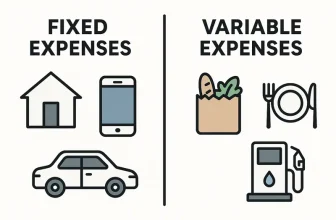
Once you know your income, list all of your monthly expenses. These typically fall into two categories: fixed expenses and variable expenses.
- Fixed Expenses: These are costs that stay the same every month, such as rent, mortgage payments, insurance premiums, and loan repayments.
- Variable Expenses: These are costs that fluctuate each month, such as groceries, dining out, entertainment, and transportation.
You’ll also want to include irregular expenses in your list—expenses that don’t occur every month but need to be accounted for. Examples include car repairs, medical bills, or annual subscriptions. To plan for these, divide the total annual cost by 12 and set aside that amount each month in a separate envelope.
Pro tip: It’s crucial to be thorough here. The more accurately you capture all your expenses, the better equipped you’ll be to manage your budget.
Step 2: Assign Budget Categories
Once you’ve listed your income and expenses, it’s time to divide your expenses into categories. You’ll want to include both fixed and variable categories, but since fixed expenses are typically automatic (like direct bank payments for rent), the envelope system works best for variable spending categories.
Common envelope categories include:
- Groceries
- Dining Out
- Gas/Transportation
- Clothing
- Entertainment
- Household Supplies
- Personal Care
- Savings
When deciding how much money to assign to each category, start by looking at your historical spending. Go through your bank statements from the past few months and calculate an average for each category. This will help you establish realistic amounts.
For example, if you find that you typically spend $350 on groceries, you can assign $350 to that envelope. If you usually spend $100 on entertainment, allocate $100 to the corresponding envelope. Make sure to leave room for savings and unexpected costs.
Important tip: Remember that every dollar should have a purpose in your budget. This is a core principle of the zero-based budgeting method, which works well in tandem with the envelope system. In zero-based budgeting, your income minus your expenses should equal zero. Every dollar is accounted for, whether it’s being spent or saved.
Step 3: Allocate Cash to Envelopes
Now that your categories and budget amounts are set, it’s time to physically allocate the cash. This step is what sets the envelope system apart from other budgeting methods. You withdraw the exact amount of money you’ve allocated for each category in cash, and then you physically divide it into separate envelopes.
Each envelope should be clearly labeled with the name of the category and the amount allocated for that month. For example:
- “Groceries – $350”
- “Entertainment – $100”
- “Dining Out – $75”
Physically putting the money into each envelope helps create a visual and tactile connection between you and your spending. Unlike credit cards, which make spending money feel somewhat abstract, having to physically hand over cash makes you more conscious of every dollar you spend. This step is crucial because it introduces a psychological barrier to overspending—once the cash is gone, it’s gone.
Step 4: Spend Only from the Envelopes
Now comes the practical application. Every time you need to spend money in a certain category, you take the money from its designated envelope. This step is all about accountability. For example:
- You go to the grocery store, spend $100, and take the $100 out of your “Groceries” envelope. You now have $250 left for the month.
- If you want to go to the movies and the tickets cost $20, you take the money from your “Entertainment” envelope.
Here’s the key: Once an envelope is empty, you cannot spend any more money in that category until the next month or budgeting period. This forces you to stay within your budget for each category. If you run out of money in your dining out envelope by the 15th of the month, you can’t eat out until the next budgeting cycle, unless you choose to reallocate money from a different envelope.
Step 5: Track Your Progress Throughout the Month
Tracking your spending is crucial for ensuring that you don’t accidentally overspend. Regularly check how much cash is left in each envelope, especially toward the end of the month. This doesn’t have to be complicated—simply glancing inside the envelope and seeing the remaining cash is often enough to keep you in check.
However, you can also keep a small log inside each envelope, noting down each expense. For example, if you take $50 out of the “Groceries” envelope, write it down, along with the date and what you spent it on. This log will give you an overview of your spending habits, help you identify where your money goes, and allow for better planning in future months.
Advanced Tip: Some people like to use budgeting apps or spreadsheets in conjunction with the envelope system to track spending more meticulously. This hybrid method combines the physical discipline of the envelopes with the analytical tracking of modern tools.
Step 6: Adjust for the Next Month
At the end of the month, you should assess how well your budgeting went. Ask yourself the following questions:
- Did I stay within my budget for each category?
- Were there any categories where I consistently had money left over?
- Did I run out of money too quickly in certain envelopes?
If you notice a pattern where certain envelopes are always empty early in the month, that’s a sign you may need to adjust your budget. For instance, if you consistently run out of grocery money, you might need to increase your grocery envelope and reduce another, less essential category like entertainment.
Conversely, if you find that you always have leftover money in a certain category, consider reallocating it. You might put it toward a savings envelope, debt repayment, or an emergency fund.
Tips for Long-Term Success with the Envelope System
- Be Consistent: The envelope system works best when you stick with it over time. It’s easy to fall back into old habits, but consistency is key. Keep using the envelopes each month, even if you make adjustments along the way.
- Stay Flexible: Life is unpredictable, and sometimes expenses come up that you didn’t plan for. You might need to move money between envelopes. If you overspend in one category, it’s okay to adjust, but avoid the temptation to constantly dip into other envelopes unless absolutely necessary. The goal is to minimize impulse spending and stick to your plan.
- Set Financial Goals: Use the envelope system as part of a broader strategy for reaching your financial goals. Whether it’s paying off debt, saving for a vacation, or building an emergency fund, allocating money to specific goals will help you stay motivated.
- Incorporate Savings and Investments: While the envelope system is primarily a tool for managing day-to-day expenses, don’t forget to include savings categories in your budget. You might have an envelope for long-term savings, emergency funds, or even investments.
Modern Adaptations: The Virtual Envelope System
In a world where cash is less frequently used, many people wonder if the envelope system is still practical. Fortunately, the concept has evolved with the times. Instead of using physical envelopes, you can use digital tools to create virtual envelopes for your spending categories.
Apps like Goodbudget, YNAB (You Need a Budget), and Mvelopes allow you to allocate money into virtual envelopes. These apps track your spending electronically, making it easier to follow the same principles as the traditional cash-based system while using debit or credit cards. The key difference is that the discipline comes from tracking expenses digitally rather than physically handling cash.
By diving deeper into each of these steps, you can see how the envelope system is more than just a basic budgeting tool—it’s a comprehensive strategy for developing better spending habits, gaining control over your finances, and ultimately achieving your financial goals. Whether you’re using physical cash or a digital version, the core principles of the envelope system provide an effective framework for sticking to a budget and avoiding unnecessary debt.
Current Relevance
Why the Envelope System Matters Today
In today’s increasingly cashless society, the envelope system might seem outdated, but its principles are still incredibly useful. In fact, many modern apps, like Goodbudget and YNAB (You Need a Budget), have adapted the envelope system into a digital format. Instead of using physical cash, you allocate virtual envelopes in these apps to track your spending.
This method still offers the visual control and psychological barriers that the physical system does but with the convenience of digital transactions. Many people find that even though they don’t use cash, the concept of dividing funds into categories and sticking to them remains just as effective.
The Emotional Benefits
Many people turn to the envelope system because it gives them a stronger sense of control. Physically seeing how much money is left in an envelope can reduce stress and prevent impulse spending. It’s a way to break the habit of mindless spending, which is easier to do when using credit cards or digital payments.
Current Financial Climate
Given the current economic environment where inflation and living costs are on the rise, managing finances carefully is more important than ever. The envelope system helps you make sure your money is going where it’s needed most and prevents you from overextending yourself financially.
Practical Applications and Strategies
Practical Examples and Best Practices
How to Apply the Envelope System in Real Life
The envelope system can be applied to any financial situation, whether you’re living paycheck to paycheck or looking to build savings. Here’s a basic example:
Let’s say you make $3,000 a month, and after calculating your fixed expenses, you decide to allocate the remaining $1,000 toward variable expenses. You divide it into the following envelopes:
- Groceries: $250
- Gas/Transport: $150
- Dining Out: $100
- Fun Money/Entertainment: $100
- Emergency Savings: $400
Whenever you go grocery shopping, you take money from the “Groceries” envelope. Once it’s empty, no more grocery spending until the next month. This strategy forces you to stick to your budget, even if it means cutting back on unnecessary purchases.
Case Study: A Success Story
Sarah, a working mom, struggled with managing her family’s finances. She was frequently using credit cards to cover everyday expenses and often found herself stressed about the growing debt. After adopting the envelope system, she was able to physically see where her money was going. By sticking to the envelopes, she avoided overspending and paid down a significant portion of her debt within a year.
Best Practices for Success
- Start Small: If you’re new to this system, start with just a few envelopes for variable expenses like groceries or entertainment.
- Use an App: If you prefer cashless transactions, try using a budgeting app that mimics the envelope system.
- Track Spending: Keep a log of what you take out of each envelope. This way, you can adjust as needed.
- Stay Flexible: Life happens, and sometimes you may need to shift money between envelopes for unexpected expenses. The key is to remain disciplined but adaptable.
Common Mistakes and Pitfalls
Avoiding Common Envelope Mistakes
Common Pitfalls
- Overcomplicating the System: Some people create too many envelopes, which can become overwhelming. It’s best to start with just a few categories and expand as you get more comfortable.
- Neglecting to Track Spending: Some users forget to keep an eye on what’s left in each envelope, causing them to run out of money prematurely. Regularly checking your envelopes is essential.
- Not Accounting for Irregular Expenses: One common mistake is forgetting to budget for irregular expenses like car maintenance or medical bills. To avoid this, create a small buffer or emergency envelope.
Why These Mistakes Happen
Many of these mistakes occur because people are either too rigid or too lax with their envelopes. The envelope system requires a balance between discipline and flexibility, which can take time to master.
How to Avoid Them
- Create a Buffer: Keep a small emergency fund to cover unexpected expenses.
- Stay Consistent: Review your budget and envelopes regularly, adjusting as necessary.
- Be Patient: It might take a few months to find the right balance in your categories, so give yourself some time to adjust.
Conclusion
Mastering Your Budget
The envelope system offers a hands-on, visual approach to budgeting that can help people take control of their finances. By breaking down spending into manageable categories and forcing yourself to stick to a set budget, you gain more awareness of where your money goes.
This method is not just for those who struggle with budgeting; it’s for anyone who wants to improve their spending habits, save more effectively, or pay down debt. As you’ve seen, whether using physical cash or a digital equivalent, the envelope system remains relevant and adaptable in today’s financial landscape.
Key Takeaways
- The envelope system helps you visually track and control spending.
- It can be adapted for both cash-based and digital transactions.
- Consistency, tracking, and flexibility are key to making this system work.
Ready to take charge of your financial future? Start by setting up your own envelope system and see how it changes your relationship with money.