Introduction
Why Emergency Funds Matter
In today’s unpredictable world, financial stability is more crucial than ever. One essential component of this stability is an emergency fund—a financial safety net that provides security in times of unexpected events. Whether it’s a sudden job loss, a medical emergency, or an unexpected home repair, having an emergency fund can be a lifesaver.
So, why should you care about building an emergency fund? This article will explore the ins and outs of emergency funds, explaining what they are, why they matter, and how they can protect you from financial turmoil. By the end of this article, you’ll understand the importance of having an emergency fund and how to start building one. Let’s dive into the details and discover how an emergency fund can help you achieve financial peace of mind.
Background
Understanding Emergency Funds Basics
To fully grasp the significance of an emergency fund, it’s essential to understand its basics. The concept of an emergency fund is not new; it has been a fundamental aspect of financial planning for centuries. Historically, people have saved for rainy days to cushion against unexpected events. This practice has evolved into what we now know as an emergency fund.
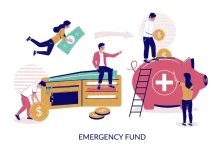
An emergency fund is a designated amount of money set aside to cover unforeseen expenses. The primary purpose is to provide a financial buffer, ensuring you don’t have to rely on credit cards, loans, or other high-interest debt in times of crisis. Key terms to understand include:
- Liquidity: The ease with which an asset can be converted into cash without significant loss of value. An emergency fund should be highly liquid, meaning it can be accessed quickly and without penalty.
- Expense ratio: The percentage of income that goes towards monthly expenses. This helps determine how much should be saved in an emergency fund.
- Three to six months of expenses: A common recommendation for the size of an emergency fund, suggesting that it should cover at least three to six months’ worth of living expenses.
Understanding these concepts is foundational to appreciating the role of an emergency fund in financial planning.
Detailed Overview
Benefits and Necessity of a Safety Net
An emergency fund serves as a financial safety net, offering protection and peace of mind. Here’s a detailed overview of why having an emergency fund is crucial:
- Unexpected Expenses: Life is full of surprises, not all of which are pleasant. From car repairs to medical bills, unexpected expenses can arise at any time. Without an emergency fund, you might have to rely on credit cards or loans, which can lead to high-interest debt.
- Job Loss: Job security is never guaranteed. An emergency fund can cover your living expenses while you search for new employment, reducing the stress of financial instability.
- Medical Emergencies: Even with health insurance, medical emergencies can lead to significant out-of-pocket expenses. An emergency fund can help cover these costs, preventing you from dipping into long-term savings.
- Unexpected Travel: In cases where you need to travel suddenly for family emergencies, an emergency fund can cover the costs of last-minute flights and accommodations.
- Home Repairs: Homeownership comes with the responsibility of maintenance and repairs. An emergency fund can help manage the financial burden of sudden home-related expenses, such as a broken furnace or leaky roof.
In summary, an emergency fund acts as a financial cushion, providing security and peace of mind in the face of unexpected events.
Current Relevance
Relevance of Emergency Funds Today
In today’s economic climate, the importance of an emergency fund has never been more pronounced. The COVID-19 pandemic, for instance, highlighted the vulnerability of even the most financially secure households. Many people faced job losses, reduced income, and unexpected medical expenses, underscoring the need for a financial safety net.
Recent trends show that a growing number of people are recognizing the importance of emergency funds. According to recent studies, a significant portion of the population lacks sufficient savings to cover even a month’s worth of expenses. This statistic is a stark reminder of the necessity of an emergency fund.
Furthermore, with the increasing cost of living and economic uncertainties, having an emergency fund is crucial for financial resilience. It provides a buffer against inflation and rising expenses, ensuring that you can maintain your standard of living even during challenging times.
The relevance of emergency funds extends beyond individual households. They contribute to overall economic stability, as people with emergency savings are less likely to default on loans or fall into debt, which can have a broader impact on the economy.
Practical Applications and Strategies
Practical Tips and Real-Life Examples
Building and maintaining an emergency fund may seem daunting, but it’s a practical and achievable goal. Let’s explore some practical applications and examples to illustrate how an emergency fund can be used in real life.
- Case Study: Job Loss
Jane, a marketing professional, was unexpectedly laid off due to company downsizing. Thanks to her emergency fund, she could cover her living expenses for six months, allowing her to focus on finding a new job without the pressure of immediate financial strain. - Case Study: Medical Emergency
John had a medical emergency that required surgery and follow-up care. His health insurance covered most of the costs, but there were still significant out-of-pocket expenses. John’s emergency fund helped him manage these costs without incurring debt. - Tips for Building an Emergency Fund:
- Start small: Begin by setting aside a small amount each month, and gradually increase it as your financial situation improves.
- Automate savings: Set up automatic transfers to a separate savings account designated for your emergency fund.
- Reduce expenses: Identify non-essential expenses and redirect those funds into your emergency savings.
- Best Practices:
- Keep it accessible: Ensure that your emergency fund is kept in a highly liquid account, such as a savings or money market account.
- Reevaluate regularly: Periodically assess your emergency fund to ensure it aligns with your current financial situation and needs.
These examples and tips illustrate how an emergency fund can provide financial security and peace of mind.
Common Mistakes and Pitfalls
Avoiding Mistakes with Emergency Funds
While building an emergency fund is essential, there are common mistakes and pitfalls to avoid. Understanding these can help you navigate the process more effectively.
- Underestimating Expenses:
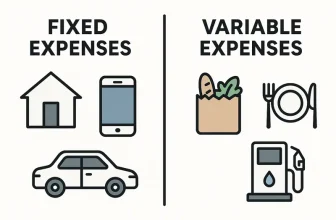
Many people underestimate their monthly expenses, leading to an inadequate emergency fund. It’s crucial to accurately calculate your essential expenses, including rent, utilities, groceries, and insurance, to ensure your fund is sufficient. - Using the Fund for Non-Emergencies:
An emergency fund should only be used for true emergencies. Dipping into it for non-essential purchases, such as vacations or luxury items, defeats its purpose. Discipline and clear financial boundaries are key. - Neglecting to Replenish the Fund:
After using your emergency fund, it’s important to replenish it as soon as possible. Failing to do so can leave you vulnerable to future emergencies without a financial safety net. - Relying Solely on Credit Cards:
Some people believe they can rely on credit cards as an emergency fund. However, this can lead to high-interest debt and financial strain. An actual cash reserve is a safer and more reliable option.
To avoid these pitfalls, it’s essential to have a clear understanding of what constitutes an emergency and to maintain discipline in managing your emergency fund.
Conclusion
Conclusion: Key Takeaways & Next Steps
In conclusion, an emergency fund is a vital component of sound financial planning. It provides a financial safety net that can protect you from unexpected expenses, job loss, medical emergencies, and more. The main takeaways from this article are:
- Importance: An emergency fund offers financial security and peace of mind, allowing you to handle life’s uncertainties without falling into debt.
- Practical Steps: Building an emergency fund requires planning, discipline, and commitment. Start small, automate your savings, and avoid using the fund for non-emergencies.
- Avoiding Pitfalls: Be mindful of common mistakes, such as underestimating expenses and not replenishing the fund after use.
Remember, the goal is to have at least three to six months’ worth of living expenses saved. By prioritizing an emergency fund, you can achieve greater financial stability and resilience. Start today, and take control of your financial future. For further reading, consider exploring resources on personal finance and budgeting, or consult with a financial advisor for personalized guidance.