Introduction
Why Budgeting Every Month Actually Works
“Over 60% of Americans live paycheck to paycheck.” This isn’t just a headline. It’s a warning.
Creating a monthly budget isn’t just about pinching pennies. It’s about taking control. You want your money working for you, not slipping through your fingers. For intermediate learners—those who already track spending or save occasionally—this guide goes beyond the basics. It gives you the tools to plan, project, and adjust with intention.
The focus here is simple: how to create a monthly budget that fits your lifestyle and financial goals. You’ll learn how to build a plan that works month after month without needing a finance degree or complicated apps. You’ll get clarity on what matters, where your money goes, and how to shape your spending habits.
By the end, you’ll know how to create a monthly budget from scratch, improve your current one, or tweak it to better reflect your life today.
Background
What You Need to Know Before You Start
Budgeting has been around for centuries. From ancient households tracking livestock to 20th-century families managing ledgers, people have always needed a way to manage what comes in and what goes out.
The idea of a monthly budget is to map out your income and expenses in a way that gives you a clear picture of how much you have and how much you can spend.
Key Terms to Know:
- Income: Money you earn, whether from a job, side hustle, rental property, or investments.
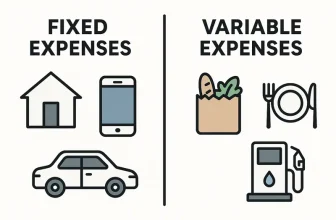
- Fixed Expenses: Regular, unchanging costs like rent, mortgage, or subscriptions.
- Variable Expenses: Fluctuating costs like groceries, gas, entertainment.
- Discretionary Spending: Non-essential spending—eating out, shopping, hobbies.
- Emergency Fund: A stash of savings reserved for unexpected events.
- Zero-Based Budgeting: A method where every dollar has a job. Income minus expenses equals zero.
If you’re familiar with some of these ideas but haven’t built a full plan or stuck to one, this guide bridges that gap. The goal isn’t perfection. It’s control.
Detailed Overview
How to Set Up Your Budget from Scratch
You don’t need a spreadsheet wizard or the latest budgeting app. You need structure, goals, and a bit of time each month.
1. Know Your Income
Start by listing every source of income. Don’t just include your paycheck. Think side gigs, child support, freelance work, passive income. Calculate your net income (after taxes).
2. Track Your Expenses
Review your last two or three months of bank and credit card statements. Break expenses into categories:
- Housing
- Utilities
- Transportation
- Food (groceries and dining out)
- Insurance
- Debt payments
- Entertainment
- Savings
Use a budgeting app or spreadsheet to get totals. This step takes time, but it tells you exactly where your money is going.
3. Set Spending Limits
Now, set spending caps for each category. Use your average monthly income as your ceiling. Don’t spend more than you earn.
Pro Tip: Don’t cut too deep too fast. If you average $400 on dining out, don’t slash it to $100 overnight. Trim gradually.
4. Prioritize Savings and Debt Repayment
Set up automatic transfers to savings and schedule debt payments early in the month. Treat them like fixed expenses.
- Emergency fund: Aim for 3–6 months of expenses.
- Retirement: Contribute to a 401(k) or IRA if available.
- Debt: Use either the avalanche (highest interest first) or snowball (smallest balance first) method.
5. Review and Adjust
No budget survives untouched. Revisit yours weekly. Are you over in one category? Under in another? Adjust. A good budget moves with your life.
6. Use Tools That Work for You
Some prefer pen and paper. Others like apps. A few trusted tools:
- YNAB (You Need A Budget)
- Mint
- Google Sheets
- PocketGuard
Pick one. Stick with it.
Current Relevance
Why Budgeting Is More Relevant Than Ever
Inflation, rising rent, and student loan repayments have made budgeting more relevant than ever. People aren’t just trying to save—they’re trying to survive.
Recent studies show that U.S. households now spend over 30% of their income on housing. Food prices have jumped over 20% since 2020. Credit card debt has surpassed $1 trillion.
Building a monthly budget gives you visibility. You can catch overspending before it hurts. You can spot habits that drain your account. Most importantly, you can plan for what’s ahead.
Budgeting helps:
- Cut impulse spending
- Boost savings
- Pay off debt faster
- Prepare for emergencies
- Reduce financial stress
If you’re making decent money but still feel like you’re behind, a monthly budget shows you where the gaps are.
Practical Applications and Strategies
Real Budget Examples That Work
Let’s walk through two examples to show how different budgets can look.
Example 1: Single Freelancer, Monthly Income: $5,000
| Category | Amount |
|---|---|
| Rent | $1,400 |
| Groceries | $350 |
| Utilities | $200 |
| Car Payment | $300 |
| Gas | $150 |
| Insurance | $250 |
| Entertainment | $250 |
| Dining Out | $300 |
| Debt Repayment | $400 |
| Retirement Savings | $300 |
| Emergency Fund | $200 |
| Misc. | $100 |
This budget leaves room for savings and lifestyle spending without overreaching.
Example 2: Dual-Income Couple, Monthly Income: $9,000
| Category | Amount |
| Mortgage | $2,000 |
| Groceries | $600 |
| Childcare | $1,200 |
| Utilities | $300 |
| Car Payments | $500 |
| Gas | $250 |
| Insurance | $400 |
| Dining Out | $400 |
| Travel Fund | $300 |
| Retirement Savings | $1,000 |
| Emergency Fund | $500 |
| Entertainment | $350 |
| Misc. | $200 |
Here, savings are baked in from the start. The key is consistency.
Tips to Stick With It:
- Automate where possible
- Keep your budget visible
- Do a 15-minute money check-in every Sunday
- Celebrate small wins (like cutting takeout by $50)
Common Mistakes and Pitfalls
Mistakes That Can Wreck Your Budget
You don’t need to be perfect. But you do need to be aware of what can throw your budget off track.
1. Underestimating Expenses
People often forget irregular costs like car repairs, annual subscriptions, or gifts. Build a “sinking fund” category to spread those costs out monthly.
2. Budgeting Based on Gross Income
If you’re budgeting based on your pre-tax salary, you’re setting yourself up to overspend. Always use net income.
3. Not Accounting for Fun
Cutting all discretionary spending leads to burnout. Leave room for things you enjoy—coffee, movies, hobbies.
4. Ignoring Small Purchases
Daily coffee runs or $5 apps add up. Track everything. You’ll be surprised.
5. Lack of Flexibility
A good budget adapts. One-size-fits-all plans don’t work. If something stops working, tweak it.
6. Skipping Monthly Reviews
Budgets aren’t set-it-and-forget-it. Without regular reviews, your budget will quietly unravel.
7. Forgetting Why You Started
Without a goal, it’s easy to quit. Keep a reminder of why you budget. Whether it’s buying a home or ditching debt, stay connected to your why.
Conclusion
Where You Go From Here
Your money won’t manage itself. Every dollar you earn can help you move forward or hold you back.
Creating a monthly budget is one of the simplest ways to start making real progress. It helps you stop guessing, start planning, and build habits that lead to freedom, not frustration.
Don’t overcomplicate it. Start small. Make changes. Keep going.
And if you ever feel like budgeting isn’t for you, ask yourself this:
Would you rather tell your money where to go, or wonder where it went?
That choice makes all the difference.