Introduction
Getting Started with Compound Interest Basics
If I offered you a penny that doubles every day for 30 days or a million dollars right now, which would you take?”
Most people grab the million. But if you picked the penny, you’d end the month with over $5 million. That’s compound interest at work.
So, what exactly is compound interest—and why do so many people regret not learning about it sooner?
This guide is about understanding compound interest from the ground up. Whether you’re saving for retirement, investing for long-term goals, or just trying to grow your money faster, compound interest has a big part to play.
By the time you reach the end, you’ll have a solid handle on how compound interest works, how to spot mistakes people make with it, and how to start putting it to work for yourself—no guesswork, no jargon.
Background
The Foundations of Compound Interest Explained
The idea of compound interest has been around for centuries. In fact, Albert Einstein is often credited with calling it “the eighth wonder of the world.”
At its core, compound interest is interest earning interest. It’s what happens when your earnings are added to your initial investment, and then those combined amounts continue to grow together.
Let’s look at some key terms:
- Principal: This is your starting amount.
- Interest: This is what your money earns, often expressed as a percentage.
- Compound Frequency: How often the interest is added to the total—daily, monthly, or yearly.
- Compound Interest Formula: A = P(1 + r/n)^(nt), where:
- A = future value of the investment
- P = principal
- r = annual interest rate
- n = number of times interest is compounded per year
- t = time in years
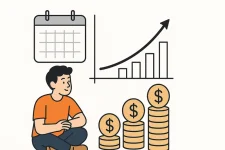
The beauty of this concept is that time is your ally. The longer you leave your money invested, the more it grows—not in a straight line, but at an increasing pace.
Detailed Overview
How Compound Interest Really Works
Now let’s get into the details.
Imagine you invest $1,000 at a 10% annual interest rate. If the interest is compounded yearly:
- After 1 year: $1,000 becomes $1,100
- After 2 years: $1,100 becomes $1,210
- After 3 years: $1,210 becomes $1,331
- And so on…
Each year, the amount grows by more than the year before. That’s the compounding effect in action.
Now imagine that same interest rate compounded monthly or daily. You’ll earn even more—not because the rate changes, but because interest is added more often.
Here’s another example:
Let’s say you invest $5,000 at 8% interest, compounded monthly, for 20 years. Using the formula, your future balance would be over $23,000. If it were compounded yearly instead, you’d end up with a bit less—around $23,219. That small shift in compounding frequency makes a difference over time.
It’s not about timing the market—it’s about time in the market.
Current Relevance
Compound Interest in Today’s Financial World
In today’s economy, compound interest still plays a major role in how people build wealth—whether through savings accounts, retirement plans, or investments.
But here’s the catch: it can work against you too.
Credit cards and high-interest loans use compound interest against borrowers. If you carry a balance month-to-month, you’re not just paying interest—you’re paying interest on your interest. That’s why debt can snowball quickly.
According to the Federal Reserve, the average credit card interest rate is now over 20%. For someone carrying a $5,000 balance, that can lead to thousands of extra dollars paid over time.
On the flip side, compound interest is the engine behind:
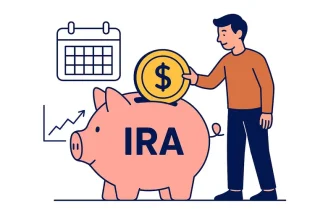
- 401(k) and IRA growth
- Compound reinvestment of dividends
- High-yield savings accounts and CDs
- Long-term stock market returns
The earlier you start, the more these tools work in your favor.
Practical Applications and Strategies
Putting Compound Interest Into Action
Here’s how you can make compound interest work for you, starting now:
1. Start Early—Even Small Amounts Matter
Let’s say you invest $200/month starting at age 25. By retirement, you could have over $500,000. Wait until age 35, and you’d end with nearly half that—even if you invest for the same number of years.
2. Reinvest Your Earnings
Don’t cash out your dividends or interest too soon. Let them keep working. Reinvestment is the fuel of compounding.
3. Use Accounts with Compound Benefits
- Look for high-interest savings options.
- Max out retirement accounts that reinvest earnings.
- Choose investment tools where returns can compound over time.
4. Stay Consistent
Set up automatic contributions. Even during slow growth periods, regular investing keeps your money growing.
Example Case Study:
Elena started investing $150/month at age 22 in a Roth IRA earning 8%. Her friend James waited until age 32 to start, but invested $250/month. Who ends up with more by retirement?
Elena does—despite investing less each month—because time beat out higher monthly contributions.
Common Mistakes and Pitfalls
Common Missteps with Compound Interest
Many people think they’re using compound interest to their advantage but make small mistakes that grow over time.
1. Starting Too Late
Delaying even a few years can shrink your future returns. Waiting until your 40s or 50s limits the benefit of time.
2. Withdrawing Too Often
Taking out interest earnings too early stops the compounding effect. The money that could grow ends up being spent.
3. Letting Fees Eat Your Growth
High-fee funds or accounts can quietly chip away at compounding benefits. A 1% annual fee might sound small but can cut your return by thousands over the long haul.
4. Carrying Compound Debt
Just as compound interest builds wealth, it also builds debt. That’s why paying off high-interest loans and credit cards fast is so important.
5. Ignoring Frequency
Monthly compounding is better than annual. Daily is often better than monthly. Look closely at how often interest is applied.
Conclusion
Moving Forward with Compound Interest
Here’s what we covered:
- Compound interest grows money faster than simple interest.
- Time is a big factor. Starting early gives your money room to grow.
- Reinvestment, account types, and consistency matter more than “perfect timing.”
- Small errors—like withdrawing too soon or paying unnecessary fees—can hold you back.
- Compound interest is powerful whether you’re saving, investing, or borrowing—but it only helps when used right.
So what should you do now?
If you haven’t already, find out where your current money is going. Do you have any funds or accounts earning compound interest? If not, look for ways to start—even with small contributions.
Use a compound interest calculator to see how much you can grow your savings based on your monthly contributions and time horizon. Set realistic goals and stick to them.
Final Thought
Here’s something to think about: Compound interest doesn’t care who you are. It rewards consistency. Whether you’re building wealth from scratch or starting over later in life, the math works the same.
The sooner you put it in motion, the more it does the heavy lifting for you.
So don’t wait for the “perfect” moment. The best time to start was yesterday. The second-best time? Right now.