
Introduction
Getting Started with Debt-Free Solutions
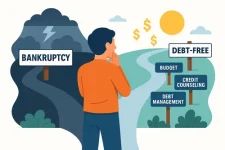
Have you ever felt like you’re drowning in bills, only to learn that 62% of bankruptcies in the U.S. are tied to medical or credit-related debt? The idea of declaring bankruptcy might seem like a shortcut to relief—but it often comes with long-term setbacks that many aren’t ready for. So, what if you could get out of debt without filing bankruptcy?
This guide explores that exact path. If you’re dealing with financial hardship, burdened by rising bills, or unsure how to regain financial stability, you’re not alone. We’ll walk you through practical, step-by-step strategies that can help you regain control and move forward. By the end of this article, you’ll learn how to use debt relief tools, debt management plans, and credit counseling services to work your way toward financial freedom—without the long-term consequences that bankruptcy can bring.
Background
The Foundations of Debt Freedom Without Bankruptcy
The idea of dealing with debt without filing bankruptcy isn’t new. Well before modern laws gave rise to Chapter 7 or Chapter 13, people used informal arrangements to settle what they owed—either by working with creditors or finding ways to repay in installments.
Today, many still choose to avoid bankruptcy due to its lasting impact on credit reports, job applications, and even housing. Knowing how to get out of debt without filing bankruptcy starts with understanding a few key terms:
- Debt Relief: Any strategy that reduces or restructures your outstanding debt. This includes settlement, consolidation, and forgiveness options.
- Debt Management: A structured plan where a nonprofit agency negotiates better terms with creditors on your behalf.
- Credit Counseling Services: Certified professionals who help you create budgets, prioritize payments, and explore programs that reduce interest rates.
- Financial Hardship: A condition where you’re unable to meet financial obligations due to job loss, medical issues, or other life events.
- Financial Stability: The ability to manage bills, savings, and unexpected expenses with consistency.
Understanding these ideas helps you approach the process with clarity—and gives you the confidence to start fresh.
Detailed Overview
A Detailed Look at How to Get Out of Debt Without Filing Bankruptcy
There are seven tried-and-true strategies that can help anyone get out of debt without filing bankruptcy. Each method has strengths and trade-offs, and the right one often depends on your income, debt type, and discipline.
1. Create a Realistic Budget and Stick to It
The foundation of any debt-free plan is knowing where your money goes. A budget doesn’t have to be restrictive—it just needs to be honest. Track every expense for 30 days. Identify needs vs. wants. Then funnel any leftover income toward debt repayment.
Use tools like the 50/30/20 budget calculator or zero-based budgeting to see how much can realistically go toward debt. Even an extra $50 a week can add up.
2. Prioritize Your Debts with a Payoff Method
Two popular strategies:
- Snowball Method: Pay off the smallest balance first, then roll that payment into the next debt.
- Avalanche Method: Focus on the debt with the highest interest rate.
Both approaches work. The snowball method delivers quicker wins, which can build momentum. The avalanche saves more on interest.
3. Negotiate with Creditors
If you’re facing financial hardship, your creditors may be willing to reduce interest, waive fees, or settle the debt for less. Be honest, clear, and calm. You don’t need fancy legal language. Just explain your situation and ask what they can offer.
If talking directly feels overwhelming, some credit counseling services will do this for you.
4. Consider a Debt Management Plan (DMP)
Offered by nonprofit agencies, a DMP consolidates your unsecured debts into one monthly payment—often with lower interest. It’s not a loan, and it doesn’t show up as bankruptcy.
Most DMPs last 3–5 years and require you to close your credit accounts temporarily. Still, they can reduce stress and speed up repayment.
5. Explore Balance Transfer or Debt Consolidation Loans
Some people consolidate their debts using a low-interest loan or 0% balance transfer card. This works best if your credit score is still decent and you can pay off the balance during the promotional period.
Caution: Consolidating doesn’t erase the debt—it just moves it. Be sure your budget can handle the new payments.
6. Take on Extra Income Temporarily
While not always possible, a part-time job, freelance gig, or selling unused items can speed up the process. Even an extra $200 a month focused on debt can help you reduce balances faster and regain control.
7. Work with a Credit Counseling Agency
A reputable nonprofit credit counseling agency can help you plan every step—from budget creation to debt management plans. These services are often free or low-cost, and their advice is personalized to your situation.
Current Relevance
Debt Relief Without Bankruptcy Today
People are more willing than ever to explore alternatives to bankruptcy. According to the National Foundation for Credit Counseling, over 1 million people each year seek help from nonprofit counselors.
Credit card interest rates in the U.S. have surged to over 20% in many cases. That’s making debt harder to manage, even for those with stable incomes. At the same time, more banks and lenders are offering hardship programs and flexible repayment options. Financial stability might seem distant—but the tools to achieve it have never been more available.
More employers and housing providers now check credit history, which makes avoiding bankruptcy even more valuable. Protecting your record by working through the debt can give you more flexibility long-term.
Practical Applications and Strategies
Applying Debt-Free Strategies in Practice
Let’s look at three examples:
Case 1: Maria (Single Mom, Credit Card Debt)
Maria had $12,000 spread across five cards. She started with the snowball method and took on a weekend babysitting gig to pay an extra $300 per month. After 18 months, she was debt-free—no bankruptcy needed.
Case 2: Keith and Dana (Medical Bills)
They faced $30,000 in unpaid hospital charges after insurance complications. A nonprofit agency set up a debt management plan that reduced their interest from 24% to 6%. They paid it off in four years.
Case 3: Sean (Overwhelmed with Bills)
Sean didn’t know where to start. He contacted a certified credit counseling service, which helped him organize his debts, negotiate lower payments, and get clarity on his budget. He avoided bankruptcy and kept his credit score intact.
Tips to Use These Strategies Wisely
- Set reminders for payment due dates.
- Use automatic transfers to stay consistent.
- Avoid new debt unless absolutely necessary.
- Reassess your budget every 3 months.
Common Mistakes and Pitfalls
Common Missteps with Getting Out of Debt Without Bankruptcy
Here are some pitfalls that derail people:
1. Only Making Minimum Payments
This keeps you in debt longer and costs more in interest. Aim to pay more—even if it’s just $10 or $20 above the minimum.
2. Taking on New Credit
Consolidating your debt and then racking up new balances defeats the purpose. Focus on repayment first.
3. Avoiding the Numbers
Some people never review their statements or create a plan. This leads to missed payments and more stress. Knowing your exact situation—even if it feels uncomfortable—puts you back in charge.
4. Choosing a For-Profit “Debt Settlement” Scam
Not all debt relief options are helpful. Be wary of companies that promise instant results or charge large upfront fees. Stick to certified nonprofit credit counseling services.
5. Ignoring Mental Health
Debt stress is real. If your anxiety is affecting sleep, mood, or relationships, consider free or low-cost mental health resources. You’re solving a financial issue—but you still need emotional support.
Conclusion
Moving Forward with Your Debt-Free Plan
Here’s what we’ve covered:
- You can get out of debt without filing bankruptcy by using clear, practical strategies.
- Budgeting, debt management, and credit counseling services can give you a fresh start.
- There are tools for every level of income and debt load.
- Debt relief doesn’t mean giving up your credit future—it means protecting it.
Start by reviewing your debts and monthly income. Pick one strategy from this article to begin with. Whether it’s calling a counselor or adjusting your budget, any step is progress.
Bankruptcy might seem like the only exit—but it’s not the only road. You’ve got options that protect your credit, build financial stability, and offer peace of mind without permanent consequences.
Final Thought
Debt doesn’t define you. It’s just a situation that can be changed with action, time, and the right help. If your financial hardship feels overwhelming, remember: every dollar paid down is a step forward. Getting out of debt without filing bankruptcy isn’t just possible—it’s doable with the right strategy and support.
FAQ’s
What are the best ways to avoid bankruptcy?
– Creating a detailed budget to track income and expenses so you can identify where to cut costs.
– Negotiating with creditors to lower interest rates or arrange alternate payment plans.
– Using credit counseling services from certified nonprofit agencies that help you build a repayment plan.
– Consolidating debts through a personal loan or balance transfer credit card (if your credit score is still in fair shape).
– Enrolling in a debt management plan (DMP) which allows you to make one monthly payment through an agency that works directly with your creditors.
These steps can help you avoid bankruptcy and move toward long-term financial stability.
Can I avoid bankruptcy if I have a lot of debt?
– Assessing your total debt load and income to see what you can reasonably pay each month.
– Prioritizing your debts using the avalanche (highest interest first) or snowball (smallest balance first) method.
– Exploring debt relief options such as credit counseling, hardship programs, or structured payment plans.
– Increasing income through part-time work or side gigs to apply more toward debt reduction.
– Avoiding new debt while you focus on repayment.
Many people have successfully gotten out of debt without filing bankruptcy by building a clear strategy and sticking to it.
How can I pay off credit card debt without declaring bankruptcy?
1. Stop using your credit cards so the balance doesn’t grow.
2. List all credit card balances and interest rates to choose a payoff strategy—either snowball or avalanche.
3. Call your credit card issuers and ask for a lower rate or a hardship plan.
4. Consider a balance transfer card with 0% APR if your credit score qualifies.
5. Look into a debt management plan (DMP) through a nonprofit credit counseling agency.
6. Use extra income or side hustle earnings to boost your monthly payments.
Staying consistent and focused on repayment can help you eliminate credit card debt and avoid the long-term consequences of bankruptcy.



Good day! I simply want to give you a big thumbs up for your excellent info you’ve got right here
on this post. I will be coming back to your site for more soon.