How Inflation Quietly Shapes the Future of Your Investments
Have you ever checked your investment returns and felt good—only to realize you’re still falling behind because prices everywhere keep rising? That’s the hidden bite of inflation.
In 1990, $100 bought you a full cart of groceries. Today, that same $100 might not even cover a week’s worth of essentials. This isn’t just a budgeting issue—it directly affects your long-term financial goals. Whether you’re saving for retirement or growing a portfolio, you need to understand inflation and investments and how the two are connected.
This guide will explain how inflation affects your money, why it’s so important to consider, and what you can do to protect your investments now and in the future.
Introduction
Why Inflation and Investments Are Deeply Connected
If you want your money to grow, it’s not enough to earn interest or watch your stock portfolio increase. You have to stay ahead of inflation. Otherwise, the numbers may go up while your spending power goes down.
This guide breaks down the relationship between inflation and investments. We’ll show you how it works, why it matters, and what you can do about it.
By the time you’re finished, you’ll be able to:
- Spot how inflation influences different investment types
- Understand how to hedge against inflation
- See the connection between inflation and interest rate decisions
- Learn how inflation affects stocks over time
- Adjust your investment habits to keep your money growing
Background
Inflation and Its Role in Your Money
Inflation happens when the overall price of goods and services rises. This decreases the purchasing power of your money. A dollar today buys less than a dollar did 10 years ago.
Key Concepts to Know:
- Inflation Rate: The average percentage increase in prices over a period.
- Purchasing Power: The amount of goods or services your money can buy.
- Real Return: The return on an investment after subtracting the inflation rate.
- Hedging: Strategies used to reduce the risk of inflation’s effects on your portfolio.
Inflation is always in the background. Sometimes it’s mild and steady. Other times, like in the early 1980s or post-2020, it moves quickly and shakes markets.
Understanding inflation’s history helps investors grasp its long-term role. From wars and oil shocks to interest rate shifts and pandemics, inflation responds to both economic conditions and investor behavior. Knowing how this plays out over time helps you prepare for what comes next.
Detailed Overview
How Inflation Affects Different Investments
Let’s break down how inflation directly impacts the different ways people invest.
Cash and Bank Accounts
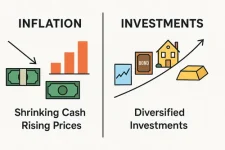
Holding large amounts of cash or keeping it in basic savings accounts can cause you to lose money over time. Even if you earn 1% interest, if inflation is 3%, your money is shrinking in terms of buying power. Safe? Maybe. Smart? Not always.
Bonds
Bonds can struggle in high-inflation environments. They pay fixed interest, which loses value as prices rise. Investors expecting stability often find that inflation eats away at their returns.
There are exceptions. Some investors turn to Treasury Inflation-Protected Securities (TIPS). These adjust with inflation, helping preserve the value of your investment.
Stocks
One big question many ask is: how does inflation affect stocks?
It depends. In theory, companies can raise prices to keep up with inflation, helping protect profits. In practice, not every business can do this. During inflationary times, costs go up and consumers may cut back.
Sectors like energy and utilities may perform better during inflation. Technology and discretionary spending sectors tend to feel the pinch more.
Long-term, stocks tend to beat inflation. But short-term performance during inflation spikes can be rocky.
Real Estate
Real assets like housing or land often do well during inflation. Property values and rental income can increase with prices, making real estate a strong inflation buffer.
That’s why many turn to real estate as a key tool in how to hedge against inflation. Physical assets tend to hold value even as currencies lose purchasing power.
Commodities
Gold, silver, oil, and agriculture-based assets often rise with inflation. As physical goods with global demand, they benefit from higher prices. But these assets can be unpredictable. They’re influenced by supply, demand, politics, and even weather.
Still, they’re part of the reason many investors view commodities as a strategic inflation hedge.
Cryptocurrency
Cryptocurrencies like Bitcoin are sometimes marketed as inflation-proof due to limited supply. But the data is still new. While some see crypto as a possible hedge, it remains highly volatile and speculative. It’s not a guaranteed shield.
Current Relevance
Inflation and Investments in 2025
From 2021 to 2023, inflation made headlines around the world. Prices surged. Interest rates followed. And investors had to quickly reassess how their portfolios would hold up.
That shift continues to influence how people think about inflation and investments today. Here’s what’s happening now:
- Interest rates remain high, changing the way investors view risk
- Many fixed-income investments are seeing reduced performance
- Real estate markets have shifted, with some areas booming and others cooling
- Stocks have become more volatile as companies juggle labor and material costs
- Investors are watching central bank decisions closely
The impact of interest rates on investments has become more visible than ever. As central banks raise rates to slow inflation, borrowing becomes more expensive. This affects companies, consumers, and investors alike.
The environment today shows that inflation isn’t just a distant concern. It’s something you can see every time you buy groceries, refinance a mortgage, or check your 401(k).
Practical Applications and Strategies
How to Protect Your Investments from Inflation
Now that you’ve seen how inflation works and how it touches different asset types, the next step is knowing what to do about it.
Here are some strategies you can use to respond to inflation while growing your portfolio.
1. Focus on Real Returns
Don’t just look at the percentage increase in your investments. Always subtract the inflation rate. That’s your real return. A 5% return during 4% inflation only gives you 1% real growth.
Try out the Inflation Impact Calculator
2. Invest in Equities with Pricing Power
Some companies can raise prices during inflation without losing customers. These businesses may provide a better buffer against inflation. Think healthcare, utilities, and energy—not luxury tech.
3. Consider Inflation-Linked Bonds
TIPS and similar instruments can adjust their payouts based on inflation. They may not outperform other investments but can help protect purchasing power.
4. Real Assets and Commodities
Use real estate and commodities carefully as part of your long-term plan. These often rise with inflation and add balance to your portfolio.
5. Monitor Interest Rate Movements
The impact of interest rates on investments is critical. As rates go up, bond values may fall, while short-term savings accounts may become more attractive. Adjust your asset mix accordingly.
6. Rebalance Regularly
Inflation shifts the value of your holdings. Check your asset allocation once or twice a year and adjust based on performance, inflation data, and life changes.
Common Mistakes and Pitfalls
Common Mistakes Around Inflation and Investing
Let’s look at where new investors often get caught:
Mistake 1: Holding Too Much in Cash
Cash feels safe, but in inflationary times it quietly loses value. A solid emergency fund is good—but beyond that, money sitting idle is slowly shrinking.
Mistake 2: Ignoring Inflation When Setting Goals
Setting a retirement goal without accounting for inflation leads to a shortfall later. Your target number needs to be higher to reflect future price increases.
Mistake 3: Overreliance on Bonds
Fixed-income investors often believe bonds are always safe. But inflation can quickly erode their real return. Balancing bonds with other inflation-resistant assets helps.
Mistake 4: Chasing Short-Term Hedges
When inflation spikes, people often rush into gold, crypto, or commodities without a clear plan. These assets can be helpful, but they come with risk. Diversification matters more than speed.
Mistake 5: Ignoring the Impact of Rate Hikes
Inflation usually prompts central banks to raise interest rates. This causes ripple effects throughout the investment world. Knowing the impact of interest rates on investments helps you stay prepared.
Conclusion
Building a Future-Proof Portfolio
We’ve covered a lot, so let’s bring it all together.
Here’s what matters most:
- Inflation reduces your money’s ability to buy things
- Some investments fall behind during inflation; others can keep pace or even thrive
- Real returns matter more than just watching your investment account balance
- Stocks, real estate, and inflation-protected bonds may offer better defense
- Being proactive—not reactive—helps protect your financial future
To keep growing your money over time, build a plan that factors in inflation and investments together. Review your progress, rebalance as needed, and stay informed about inflation trends and interest rate movements.
Final Thought
Inflation isn’t just a buzzword or something for economists to debate. It’s part of daily life—and part of every long-term financial decision. Over time, it can do more damage to your wealth than any single stock market correction.
But with the right approach, you can manage it. You can build a portfolio that grows faster than prices rise. And you can stay confident that the money you’re investing today will still matter tomorrow.
By making smart, informed choices now, you give yourself the best chance to thrive—no matter what inflation throws your way.