Introduction
Introduction to Certificates of Deposit (CDs)
Certificates of Deposit (CDs) are a popular and reliable investment option for individuals looking to earn a steady return on their money with minimal risk. This article aims to provide an in-depth understanding of CDs, their benefits, and how they can fit into your overall financial strategy.
What is the Main Focus of This Topic?
The main focus of this topic is to explore Certificates of Deposit (CDs), explaining what they are, how they work, and why they might be a valuable addition to your investment portfolio.
Why Should the Reader Care About This Topic?
Understanding CDs is crucial for anyone interested in safe and predictable investment opportunities. CDs offer a unique combination of low risk and guaranteed returns, making them an attractive option for conservative investors or those looking to diversify their savings strategy.
What Will the Reader Learn by the End of the Article?
By the end of this article, you will have a comprehensive understanding of:
- What Certificates of Deposit (CDs) are
- The historical context and key concepts related to CDs
- The current relevance and trends in CD investments
- Practical examples and strategies for investing in CDs
- Common mistakes to avoid
- Key takeaways and actionable steps to start investing in CDs
Background
The Historical Context and Key Concepts of CDs
Certificates of Deposit have a long history as a secure investment vehicle. They have evolved over time, adapting to the changing financial landscape and investor needs.
What is the History or Origin of This Topic?
CDs originated in the early 20th century as a way for banks to attract deposits by offering a higher interest rate in exchange for the depositor’s commitment to leave their money untouched for a specified period. Over the years, CDs have become a staple in the investment portfolios of both individuals and institutions.
What are the Key Terms and Concepts That Need to Be Understood?
To fully grasp the concept of CDs, it is essential to understand the following key terms:
- Principal: The initial amount of money invested in a CD.
- Interest Rate: The percentage of the principal paid to the investor as a return on their investment.
- Term: The length of time the money is committed to the CD, ranging from a few months to several years.
- Maturity Date: The date when the CD term ends, and the investor can withdraw their principal and interest.
- Fixed Rate CD: A CD with a fixed interest rate for the entire term.
- Variable Rate CD: A CD with an interest rate that can change over time based on market conditions.
What Foundational Knowledge Does the Reader Need?
A basic understanding of savings accounts and general investment principles will be helpful. Unlike savings accounts, which offer liquidity and variable interest rates, CDs require a commitment to leave the funds untouched for a specific period in exchange for higher, often fixed, interest rates.
Current Relevance
The Current Landscape of CD Investments
In today’s financial landscape, CDs continue to be a relevant and valuable investment option, particularly for those seeking stability and security.
What is the Current State of This Topic?
Currently, CDs are widely offered by banks and credit unions, with a range of options tailored to meet different investment needs and goals. The interest rates on CDs can vary significantly based on the term length and the prevailing economic conditions.
Are There Any Recent Trends or Significant Developments?
Recent trends in the CD market include the rise of online banks offering competitive rates and the introduction of more flexible CD products, such as no-penalty CDs, which allow early withdrawal without a penalty. Additionally, the Federal Reserve’s interest rate policies can significantly impact CD rates, making it important for investors to stay informed about economic trends.
How Does This Topic Affect the Reader or Their Financial Decisions Today?
CDs can play a crucial role in a diversified investment strategy, offering a safe haven for funds that an investor cannot afford to lose. With the right approach, CDs can help individuals achieve their financial goals, such as saving for a large purchase, building an emergency fund, or ensuring a steady income stream during retirement.
Practical Applications and Strategies
Real-Life Applications and Strategies for CDs
Understanding how to effectively use CDs in real-life situations can help you maximize their benefits and avoid common pitfalls.
How Can This Information Be Applied in Real-Life Situations?
Here are some practical applications of investing in CDs:
- Building an Emergency Fund: A CD ladder, which involves investing in multiple CDs with staggered maturity dates, can provide liquidity while earning higher interest rates than a traditional savings account.
- Saving for a Goal: CDs can be a great way to save for a specific goal, such as a down payment on a house or a child’s education, by aligning the CD term with your timeline.
- Ensuring Stable Income: For retirees or those seeking a stable income stream, CDs can offer predictable interest payments without the risks associated with stock market investments.
Are There Any Case Studies or Examples That Illustrate These Applications?
Consider the case of Sarah, a 40-year-old investor who wants to save for her child’s college education in 10 years. By investing in a 10-year CD, she can lock in a higher interest rate and ensure that the funds are available when needed.
Another example is John, a retiree looking for a stable income source. By investing in a series of CDs with varying maturities, he can create a steady stream of interest income while preserving his principal.
What Tips or Best Practices Should the Reader Follow?
- Research Rates: Shop around for the best CD rates, including online banks which often offer higher rates than traditional brick-and-mortar institutions.
- Consider a CD Ladder: This strategy involves purchasing multiple CDs with different maturity dates to ensure regular access to funds.
- Understand the Terms: Be aware of the penalties for early withdrawal and the specific terms of each CD to avoid unexpected costs.
Common Mistakes and Pitfalls
Avoiding Common Pitfalls in CD Investments
While CDs are relatively straightforward, there are common mistakes that can reduce their effectiveness.
What are Common Mistakes People Make Regarding This Topic?
- Not Shopping Around: Failing to compare rates and terms can result in lower returns.
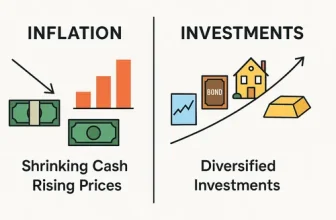
- Ignoring Inflation: The fixed interest rates on CDs may not keep pace with inflation, reducing the real value of returns.
- Early Withdrawal: Withdrawing funds before the maturity date can incur significant penalties, eroding the benefits of the CD.
Why Do These Mistakes Happen?
These mistakes often occur due to a lack of understanding of the CD terms and conditions, as well as a tendency to overlook the impact of inflation on long-term investments.
How Can the Reader Avoid These Pitfalls?
- Do Your Homework: Research and compare different CD offerings to find the best rates and terms.
- Consider Inflation: Factor in inflation when choosing the term length and interest rate to ensure your investment grows in real terms.
- Plan for Liquidity Needs: Avoid tying up funds in CDs that you might need to access before the maturity date. Use a CD ladder or other strategies to maintain liquidity.
Conclusion
Key Takeaways and Next Steps for CD Investors
Certificates of Deposit can be a valuable tool in a well-rounded investment strategy, offering security and predictable returns.
What Are the Main Takeaways from the Article?
- CDs are low-risk investments with fixed terms and interest rates.
- They have a long history and remain relevant in today’s financial landscape.
- Understanding how to effectively use CDs can enhance your financial strategy.
- Avoid common mistakes by researching rates, considering inflation, and planning for liquidity needs.
Why is This Topic Important to Remember?
Understanding CDs and how they work is crucial for making informed investment decisions that align with your financial goals and risk tolerance.
What Should the Reader Do Next or Where Can They Learn More?
To further explore CDs, consider speaking with a financial advisor or visiting reputable financial websites for current rates and strategies. Additionally, many banks and credit unions offer resources and calculators to help you determine the best CD options for your needs.
By integrating CDs into your investment strategy, you can achieve a balanced portfolio that provides both security and growth potential.