Introduction
Why Gold and Silver Still Matter
Imagine holding something in your hand that has held value for thousands of years, through wars, financial crashes, and political chaos. Now imagine that same thing sitting in your investment portfolio, not as a gamble, but as a form of insurance. That’s what gold and silver represent for many investors.
This guide is about investing in gold and silver, written for those who have moved beyond the beginner stage and want a clearer, smarter view of how these assets fit into a modern portfolio. The focus isn’t just on buying coins or bars. It’s about how to think about precious metals as part of a broader investment plan, and what traps to avoid.
By the end of this guide, you’ll know:
- How gold and silver have been used as stores of value throughout history
- The different ways to invest in them
- How to spot trends that affect their price
- What mistakes trip up even experienced investors
- And how to apply these ideas to your own money decisions
Background
Where Gold and Silver Got Their Value
Gold and silver have been used as money for over 5,000 years. Ancient Egyptians used gold in tombs and jewelry. Romans minted silver coins. Even today, central banks hold large reserves of gold.
Why? Because these metals don’t corrode, are rare but not too rare, and are easy to transport and divide. Their value doesn’t rely on a government’s promise. This independence is what gives them staying power.
Here are a few terms you’ll see throughout this guide:
- Bullion: Pure gold or silver, usually in bars or coins.
- Spot price: The current market price for one ounce of gold or silver.
- Premium: The amount you pay above the spot price when buying physical metals.
- ETF: Exchange-traded fund; a way to invest in gold or silver without holding the metal.
- Fiat currency: Money that gets its value from government backing, like the US dollar.
Another key idea: gold is seen more as a hedge against currency risk and inflation. Silver, while it shares some of those traits, is also used in industry—solar panels, electronics, and batteries. That makes its price more volatile.
Detailed Overview
How to Invest and What to Keep in Mind
You can invest in gold and silver in several ways. Each approach has its uses, and the right one depends on your goals, risk tolerance, and how hands-on you want to be.
- Physical Metals (Bars and Coins) Buying bullion—either coins or bars—is the most direct way to own gold and silver. Coins like American Eagles, Canadian Maple Leafs, or South African Krugerrands are well-recognized and liquid.
- Pros: You have complete control. There’s no third party between you and your asset. It’s tangible.Cons: Storing it safely is your responsibility. You may need a safe, a safe deposit box, or even third-party vault storage. You’ll also deal with premiums (the amount over spot price), and possibly delays or complications when selling.
- ETFs (Exchange-Traded Funds) These funds trade on stock exchanges and aim to mirror the price of gold or silver. The most common are GLD for gold and SLV for silver.
- Pros: Easy to buy and sell, just like a stock. No need to worry about storage or security. High liquidity.
- Cons: You don’t actually own the metal. You’re trusting the fund to back your shares with real metal. Some ETFs may use futures contracts rather than physical metals. There are also small annual management fees.
- Mining Stocks These are shares of companies that extract gold or silver from the ground. Some are large and diversified; others are small and speculative.
- Pros: If gold or silver prices rise, these stocks can outperform due to leverage in production costs. They may also pay dividends.
- Cons: They’re stocks, so they carry company-specific risks—management, labor, debt, jurisdiction. And they don’t always track the metal’s price directly. A mine can be profitable even in a down metal market—or lose money in a bull market.
- Futures and Options These are contracts that let you speculate on the price of gold or silver in the future. Futures involve an obligation to buy or sell; options give you the right but not the obligation.
- Pros: High potential for short-term gains. Often used by traders to hedge or speculate.
- Cons: Very high risk. Leverage means a small price movement can wipe out your position. Not recommended unless you fully understand the mechanics and risks.
- Digital Gold or Silver Platforms These services let you buy fractional ownership in physical gold or silver, which is stored in professional vaults. Examples include Vaulted, OneGold, or BullionVault.
- Pros: Low barrier to entry. You can invest small amounts and gain exposure without needing storage. Often lower premiums than physical coins.
- Cons: You still rely on a third-party company. Liquidity varies by platform. Fees and storage charges can add up over time.
When deciding where to put your money, ask yourself: Is my goal security, liquidity, growth, or a mix? Physical metals might give you peace of mind. ETFs might suit a more active trading style. Mining stocks can be aggressive plays. Digital platforms offer a middle ground.
Some red flags to watch:
- Sky-high premiums on flashy coins that are pitched as collectibles.
- Low-quality storage solutions or dealers without a solid track record.
- Mining companies with unclear balance sheets or operations in unstable regions.
There’s no single best method—only what fits your overall investment plan. Start by defining your purpose: are you hedging inflation, protecting against a market crash, or seeking upside?
Many experienced investors spread their exposure across two or more types—some physical coins, an ETF for liquidity, and maybe a small stake in mining stocks for growth potential.
Current Relevance
Why People Still Buy Precious Metals
Gold and silver remain relevant in a world of high debt, rising interest rates, and uncertainty. Central banks around the world bought over 1,000 tons of gold in 2022 alone. They’re trying to hedge against the weakness of the dollar and other currencies.
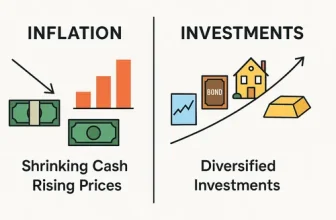
Recent inflation spikes reminded people that paper money can lose value fast. In response, gold hit record highs. Silver, tied to industrial demand, has seen big swings but continues to attract buyers looking for both value and utility.
Geopolitical risk adds more weight. When there’s unrest or economic fear, people look for something solid. Precious metals often fill that role.
Another factor: digital banking and growing government debt raise questions about the long-term stability of fiat currencies. Holding some gold or silver can provide peace of mind.
Practical Applications and Strategies
Making Precious Metals Part of Your Plan
Let’s say you’re an investor with a solid portfolio of stocks, bonds, and maybe some real estate. You’re not betting the farm, but you want insurance. Investing in gold and silver can help with that.
Here’s one way to approach it:
- Buy a few physical coins from a reputable dealer. Stick to widely recognized ones like American Eagles or Canadian Maple Leafs.
- Consider ETFs if you want exposure without physical storage.
- Avoid putting more than 10% of your assets into metals unless you have a very strong reason.
- Don’t forget silver. It can be more affordable and has potential upside because of its industrial uses.
Case in point: during the 2008 financial crisis, gold prices rose while stocks collapsed. Those who had a slice of gold in their portfolio fared better.
Some tips:
- Watch the gold-to-silver ratio (price of gold divided by price of silver). It helps spot potential opportunities.
- Don’t buy from late-night TV ads or shady dealers. Research and compare premiums.
- Think long-term. Gold and silver don’t usually make fast moves.
Common Mistakes and Pitfalls
Mistakes That Can Cost You
A few common traps:
- Overbuying: Going all in on metals, thinking they’re a guaranteed win. They’re not. They’re insurance.
- Not understanding premiums: You might think you got a good deal, but if you paid 15% above spot, you need a big price rise just to break even.
- Ignoring storage and security: If you buy physical metals, don’t keep them under your mattress. Use a safe or a secure storage facility.
- Chasing trends: Buying when prices are high because of hype. By the time the media is talking about gold, the price may already be peaking.
- Confusing mining stocks with metals: A gold mining stock is not the same as gold. It can move in the opposite direction.
- Falling for fear-based sales tactics: Some sellers use fear of economic collapse to push overpriced coins. Stick to basics.
Conclusion
Think Long, Not Loud
Investing in gold and silver isn’t about flash or fast returns. It’s slow, steady, and often overlooked—and that’s part of its strength. These metals don’t promise riches, but they can offer something more useful: a way to keep your wealth stable when everything else feels off-balance.
They’ve outlived empires, trends, and currencies. That kind of track record is hard to ignore.
If you’re building a portfolio for the next 10, 20, or 30 years, investing in gold and silver deserves serious thought. Not because it’ll make you rich overnight, but because it might help you sleep better. And that might be the smartest investment of all.