
What’s sitting in your garage that could be paying your bills?
Thousands of people make money every month not by selling their gear, but by renting it. Whether it’s a pressure washer, a camera drone, or a bounce house, renting out equipment is a legitimate way to generate income. For beginners, this guide breaks everything down: how it works, what to expect, and how to avoid common traps.
By the end, you’ll know exactly how income from renting out equipment can start working for you.
Introduction
What Is Equipment Rental Income?
Income from renting out equipment is the money you make by loaning your tools, gear, or supplies to others for a fee. Income from renting out equipment isn’t limited to heavy machinery or industrial tools—it includes everyday items like carpet cleaners, ladders, cameras, or camping gear. If someone needs it temporarily, there’s a good chance you can earn from it.
Income from renting out equipment matters because it flips the script on ownership. Instead of letting your gear sit unused, it starts generating steady cash flow. With rising costs and tighter budgets, finding practical ways to bring in extra income is more valuable than ever. And this method doesn’t require a storefront, a staff, or a huge investment.
Whether you’re exploring a side hustle, launching a local rental service, or simply trying to earn more from what you already have, this guide will walk you through how income from renting out equipment can become a reliable and scalable financial asset.
Background
Where Rentals Come From
Renting out gear isn’t new. Construction companies, photographers, and event organizers have been doing it for decades. What’s changed is access. Platforms now allow anyone with an item of value to connect with those who need it—without the middleman.
Income from renting out equipment used to mean big contracts and industry connections. Now, it’s as simple as listing your generator on a peer-to-peer app or your kayak on a local Facebook group.
Here are a few key terms to know before diving in:
- Depreciation: The decline in value of equipment over time, often a tax-deductible expense.
- Passive income: Money earned with minimal ongoing effort—once the item is listed and rented, it can keep earning.
- Liability coverage: Insurance that protects you if the renter damages the equipment or causes harm using it.
- Rental agreement: A written contract stating the terms, length, and cost of the rental.
You don’t need to own high-end gear to start. Sometimes, it’s the everyday stuff—baby strollers, carpet steamers, party supplies—that people are looking to rent.
Detailed Overview
How Equipment Rental Works
Getting started with income from renting out equipment doesn’t require a business degree or a warehouse full of gear. It begins with what you already have and a clear plan. Below is a detailed, beginner-friendly breakdown of how to turn unused items into monthly cash.
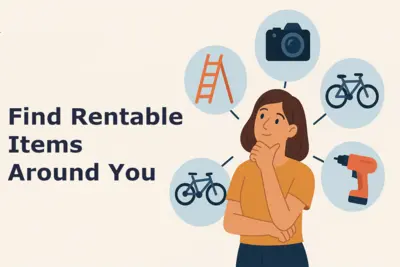
Step 1: Find Rentable Items Around You
Start by checking your home, garage, shed, or storage unit. Focus on anything you don’t use every day but still holds value. Popular examples include:
- Lawn care tools like trimmers or leaf blowers
- Camping gear such as tents or coolers
- Home improvement tools like tile cutters or power drills
- Photography or video equipment
- Party supplies—folding chairs, popcorn machines, speakers
If it’s functional and safe to use, someone may need it for a short time. Write down everything that fits this category.
Step 2: Check What’s in Demand
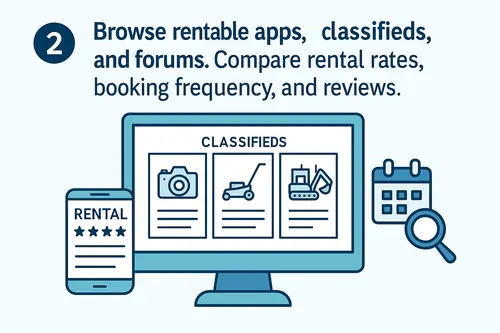
Before you post anything, figure out what people near you are renting. Browse rental apps, local classifieds, and community forums. Take note of:
- Which items are listed often
- How much people are charging
- How frequently those items are marked as “booked” or “rented”
- Whether similar gear has reviews or renter feedback
This will help you figure out what’s worth renting and what might sit idle. Don’t assume—let actual listings guide you.
Step 3: Decide Where to List Your Equipment
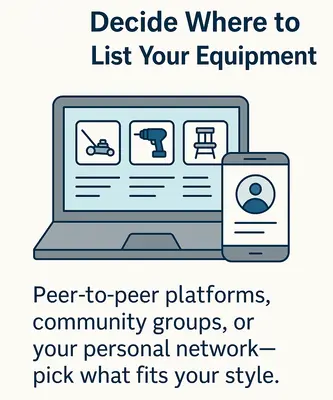
There are a few different routes to go:
- Peer-to-peer rental platforms (like Fat Llama, Loanables, ShareGrid): Great for reaching renters quickly. Some platforms provide insurance.
- Local community groups (Facebook, Craigslist): Ideal for larger or hard-to-ship gear. You’ll handle everything directly.
- Personal network: Let friends, coworkers, or neighbors know. Word of mouth can work well, especially for tools or party gear.
Each option comes with trade-offs. Platforms may take a fee but provide structure. Community listings offer freedom but require more management. Pick the one that fits how hands-on you want to be.
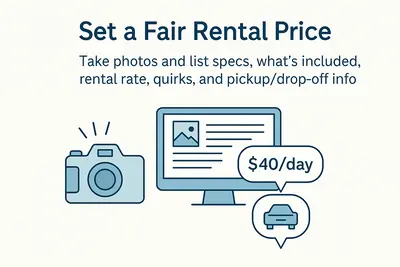
Step 4: Write a Simple, Clear Listing
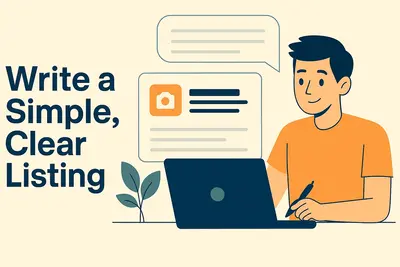
Photos matter. Take several from different angles in good lighting. Clean the item before taking pictures.
Your description should include:
- What the item is and what it’s best used for
- Basic specs (dimensions, weight, capacity, etc.)
- What’s included (cables, accessories, batteries, carrying cases)
- Rental rate (daily, weekend, or weekly)
- Pick-up/drop-off expectations
- Any quirks (e.g., “must be kept upright” or “comes pre-charged”)
Keep it honest. Surprises lead to complaints, and complaints kill repeat rentals.
Step 5: Set a Fair Rental Price
Start with what others are charging for the same item. If your gear is newer or includes extras, go slightly higher. If it’s older or has wear, price it lower.
You can also offer:
- Multi-day discounts (e.g., 10% off for a 3-day rental)
- Bundles (e.g., rent a projector and screen together)
- Delivery service for a small fee if someone can’t pick it up
Make it easy for someone to say yes.
Step 6: Add Protection
You’re handing over valuable equipment, so take basic steps to protect yourself:
- Use a rental platform that includes coverage or deposits
- Draft a simple rental agreement (item name, renter details, condition, return time)
- Ask to see ID or take a refundable cash deposit if going independent
- Document condition with date-stamped photos before each handoff
Most rentals go smoothly, but these steps reduce risk without scaring off honest renters.
Step 7: Keep Track of Bookings and Cash Flow
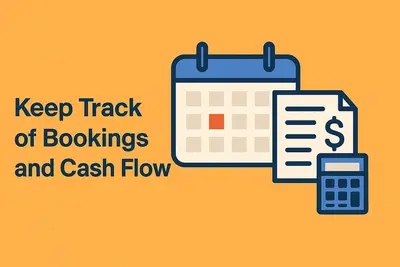
Use a notebook, spreadsheet, or free app to track:
- Rental dates
- Item condition notes
- Income received
- Expenses (cleaning supplies, repairs, replacements)
This helps you measure how much income from renting out equipment you’re actually making. It also gives you documentation come tax time.
Step 8: Maintain the Equipment
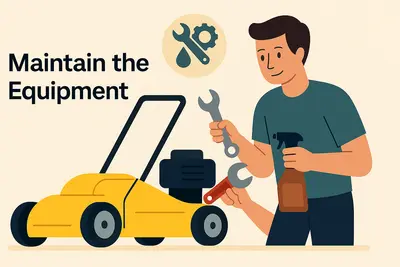
Every rental affects wear and tear. Check the gear between uses. Wipe it down, make repairs, and replace missing parts. Respond to any renter feedback about performance or issues.
If your equipment is clean, reliable, and works as described, you’ll build trust—and repeat business.
Step 9: Ask for Reviews or Referrals
If you’re using a platform, good reviews lead to more bookings. Politely ask renters to leave feedback if they had a good experience. If you’re working locally, offer a small discount to renters who refer someone new.
This kind of word-of-mouth helps keep income from renting out equipment flowing steadily without extra effort on your part.
Income from renting out equipment doesn’t have to be complicated. Once you’ve rented your first item, the next ones get easier.
Current Relevance
Why This Income Matters
Prices are up, wages aren’t stretching as far, and side income isn’t just a nice bonus—it’s survival for many. That’s why income from renting out equipment is catching on.
A few numbers to back it up:
- The global equipment rental market is valued at over $100 billion.
- Peer-to-peer rental apps report double-digit growth annually.
- 1 in 3 renters say they’d rather rent than buy specialized equipment.
This isn’t just about money—it’s about using what you already have to build financial breathing room.
The pandemic also shifted buying habits. People now prefer to borrow over buy for one-time tasks or events. That means more demand for rented equipment—from fog machines to fitness gear. And since you control the terms, this income stream adapts to your schedule and risk tolerance.
Practical Applications and Strategies
Real-World Examples
Let’s break it down with examples.
Case 1: Alex the Hobbyist
Alex owns a DSLR camera and lighting kit for his weekend photography hobby. He lists the equipment on ShareGrid. Over six months, he earns $2,400—more than he originally paid.
Case 2: Tina the DIY Queen
Tina has a collection of tools—tile saws, drills, ladders. She posts them in a local Facebook group for weekend rentals. Contractors and DIYers keep her busy year-round. It brings in $300-$500/month.
Case 3: Jay and the Party Tent
Jay bought a large party tent for his wedding. Instead of letting it sit in the basement, he rents it out every summer for backyard events. One tent rental? $150 per weekend.
Tips to Succeed:
- Offer delivery and pickup for a small fee—it adds value.
- Bundle items (e.g., tripod + camera + battery pack).
- Respond fast to inquiries.
- Keep things clean and ready to go.
Common Mistakes and Pitfalls
Common Pitfalls
Nothing kills passive income like poor planning. Here are some common mistakes that hurt income from renting out equipment—and how to dodge them.
1. No Insurance
A renter damages your $2,000 drone. Without coverage, you’re out of luck. Always work through insured platforms or secure your own policy.
2. Weak Agreements
Don’t skip paperwork. A short rental agreement protects you legally. Include renter details, duration, costs, and return condition expectations.
3. Underpricing
Some people lowball out of fear. Research your local rates. If demand exists and your item is in good shape, price it fairly.
4. Poor Maintenance
If you don’t inspect and clean your gear, you’ll face issues fast. Poor reviews, breakage, and less repeat business.
5. Ignoring Feedback
Take renter comments seriously. If something was confusing or didn’t work as expected, fix it. Reputation matters.
The goal is to make income from renting out equipment smooth for everyone involved. Treat it like a business, and it can pay off long-term.
Conclusion
So, What’s Next?
You probably own something someone else needs. It might be sitting in your garage right now.
This guide showed how income from renting out equipment can turn everyday items into monthly income. Whether it’s side cash or the start of a new venture, this approach puts earning potential back in your hands.
Start small. Learn fast. Adjust as needed. Before long, you might be surprised how much money your stuff can make.