Introduction
The Value of Good Credit
Your credit score plays a pivotal role in your financial life. It affects everything from your ability to get a loan, the interest rates you pay, to even your chances of renting an apartment. Despite its importance, many people don’t fully understand how credit scores work or how to improve them. This article aims to demystify the process of building and maintaining a healthy credit score. By the end of this article, you’ll have a clearer understanding of credit scores, why they matter, and practical strategies to improve yours.
Why should you care about your credit score? A good credit score can save you thousands of dollars in interest over the years, grant you access to better financial products, and even influence non-financial aspects of your life. What will you learn? We will cover the basics of credit scores, delve into effective strategies to boost your score, discuss the current trends, provide real-life examples, and highlight common mistakes to avoid. Let’s dive in and take control of your financial future!
Background
Understanding Credit Scores
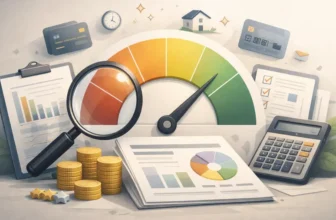
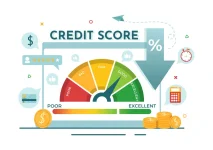
To improve your credit score, it’s essential to understand what it is and how it works. A credit score is a numerical representation of your creditworthiness, typically ranging from 300 to 850. It’s calculated based on your credit report, which includes information like your payment history, the amount of debt you owe, the length of your credit history, new credit inquiries, and the mix of credit types you have.
Historical Context and Key Concepts
The concept of a credit score originated in the mid-20th century when lenders began seeking standardized ways to evaluate borrowers’ risk. The most common model, the FICO score, was introduced by the Fair Isaac Corporation in 1989. Today, various scoring models exist, but FICO remains the most widely used.
Key Terms to Know:
- Credit Report: A detailed breakdown of an individual’s credit history prepared by a credit bureau.
- Credit Bureau: An agency that collects and maintains individual credit information and sells it to lenders, creditors, and consumers in the form of a credit report.
- FICO Score: A type of credit score created by the Fair Isaac Corporation.
- VantageScore: Another credit scoring model, developed by the three major credit bureaus.
Detailed Overview
Top Strategies to Boost Credit
Improving your credit score requires a multi-faceted approach. Here are detailed explanations of the key strategies to help you boost your score, along with practical steps to implement each one.
1. Pay Your Bills on Time
Importance: Payment history is the most critical factor in determining your credit score, accounting for 35% of your FICO score. It reflects your reliability in repaying borrowed money, and a consistent record of on-time payments builds a positive credit history.
Implementation:
- Set Up Reminders: Use digital calendars, mobile apps, or alarms to remind yourself of upcoming due dates. Many banks and credit card companies also offer free reminder services via email or SMS.
- Automatic Payments: Enroll in automatic payment programs through your bank or lender. This ensures that at least the minimum payment is made on time, even if you forget.
- Payment Prioritization: If you can’t pay off all your bills at once, prioritize payments based on interest rates and late fees. Paying off high-interest debts first can save you money in the long run.
- Partial Payments: If you’re unable to make full payments, make partial payments. While it’s better to pay in full, a partial payment is better than no payment at all and can prevent the account from becoming delinquent.
2. Reduce Outstanding Debt
Importance: The amount of debt you owe, particularly in relation to your credit limits, is the second most significant factor in your credit score, making up 30% of your FICO score. This is known as the credit utilization ratio.
Implementation:
- Debt Avalanche Method: Focus on paying off debts with the highest interest rates first, while making minimum payments on others. This approach minimizes the amount of interest paid over time.
- Debt Snowball Method: Start by paying off the smallest debts first, gaining a psychological boost from eliminating debts quickly. This can build momentum and motivation to tackle larger debts.
- Balance Transfers: Consider transferring high-interest debt to a credit card with a lower interest rate or a 0% introductory APR offer. This can reduce the amount of interest you pay and help you pay off debt faster.
- Avoid New Debt: While working on paying off existing debts, avoid accumulating new debt. This includes refraining from opening new credit accounts or taking out new loans.
3. Keep Old Accounts Open
Importance: The length of your credit history contributes 15% to your credit score. This metric considers the age of your oldest account, the average age of all your accounts, and the age of your newest account. Older accounts are generally beneficial as they demonstrate a longer history of credit use.
Implementation:
- Don’t Close Unused Accounts: Even if you no longer use a particular credit card, keep it open unless it has an annual fee. The longer the account remains open, the more it positively impacts your average account age.
- Occasional Use: If you’re concerned about an account being closed due to inactivity, use it occasionally for small purchases and pay it off immediately. This keeps the account active without adding significant debt.
- Considerations for Annual Fees: If a card has an annual fee and you no longer need it, weigh the benefits of the card against the cost. Sometimes, downgrading to a no-fee version of the card can be a good compromise.
4. Limit Hard Inquiries
Importance: Hard inquiries, or hard pulls, occur when a lender checks your credit report as part of a loan or credit application process. Each hard inquiry can temporarily lower your credit score by a few points. While the impact diminishes over time, multiple hard inquiries in a short period can be detrimental.
Implementation:
- Plan Credit Applications: Before applying for new credit, assess whether you truly need it. If you’re shopping for a mortgage or auto loan, try to do so within a short window, as multiple inquiries in a short time frame are typically treated as a single inquiry for scoring purposes.
- Soft Inquiries: Understand that checking your credit score yourself results in a soft inquiry, which does not affect your score. Utilize this to monitor your credit without any negative impact.
5. Diversify Your Credit Mix
Importance: Your credit mix, which accounts for 10% of your FICO score, refers to the different types of credit accounts you have, such as credit cards, installment loans, and mortgages. A diverse credit portfolio can demonstrate your ability to manage various types of credit responsibly.
Implementation:
- Variety of Credit Types: If you only have credit card debt, consider taking on a different type of credit, like a small personal loan or an auto loan, as long as it makes financial sense.
- Avoid Unnecessary Accounts: Do not open new accounts solely to diversify your credit mix. The potential benefits are outweighed by the risks if you’re unable to manage additional debt responsibly.
- Responsible Management: Focus on maintaining low balances and making timely payments across all credit types to showcase responsible credit management.
6. Regularly Check Your Credit Report
Importance: Regularly reviewing your credit report helps you stay informed about your credit status and spot any inaccuracies or signs of fraudulent activity. Errors on your credit report can unfairly lower your score.
Implementation:
- Annual Reports: You are entitled to a free credit report from each of the three major credit bureaus (Equifax, Experian, and TransUnion) once per year. Use AnnualCreditReport.com to access these reports.
- Look for Errors: Common errors include incorrect personal information, accounts that don’t belong to you, incorrect account statuses, and duplicate entries. Dispute inaccuracies with the credit bureau to have them corrected.
- Monitor for Fraud: Unfamiliar accounts or inquiries could indicate identity theft. Report any suspicious activity to the credit bureau and the affected creditor immediately.
By implementing these strategies, you can systematically improve your credit score over time. It’s important to remember that building good credit is a gradual process, and the key is consistency and responsible financial habits. This comprehensive approach not only enhances your credit score but also promotes overall financial well-being.
Current Relevance
Current Credit Trends and Impact
In today’s financial landscape, your credit score is more relevant than ever. The digital age has made it easier to track and manage your credit, but it has also introduced new challenges and opportunities.
Recent Trends
- Increased Access to Credit Scores: More banks and credit card companies offer free access to credit scores, making it easier for consumers to monitor their financial health.
- Alternative Credit Scoring Models: Companies are exploring new ways to evaluate creditworthiness, including incorporating rental payment history and utility payments into credit scores.
- Impact of Economic Conditions: Economic downturns, such as the COVID-19 pandemic, have highlighted the importance of a good credit score, as lenders tighten their borrowing criteria.
How It Affects You
A good credit score can open doors to better financial opportunities. It can lead to lower interest rates on loans and credit cards, better insurance rates, and even potential employment opportunities, as some employers check credit scores during the hiring process. Understanding these trends can help you navigate the financial landscape and make informed decisions.
Practical Applications and Strategies
Practical Applications and Examples
To understand the practical impact of a credit score, consider these scenarios:
Example 1: Buying a Home
John and Lisa, both in their early 30s, are looking to buy their first home. John has a credit score of 750, while Lisa’s score is 650. Due to John’s higher credit score, they qualify for a mortgage with a 3.5% interest rate. If Lisa applied alone, she would likely face a higher rate, around 5%. Over a 30-year mortgage, this difference could save them tens of thousands of dollars.
Example 2: Securing a Personal Loan
Maria needs a personal loan to consolidate her debt. With a credit score of 720, she qualifies for a loan with favorable terms, including a low-interest rate and flexible repayment options. If her score were below 600, she might only qualify for high-interest loans, making repayment more challenging.
Tips and Best Practices
- Create a Budget: Track your spending to ensure you can meet your financial obligations.
- Set Up Automatic Payments: Avoid late payments by automating your bills.
- Use Credit Wisely: Only charge what you can afford to pay off each month.
- Seek Professional Advice: If you’re struggling with debt, consider speaking with a financial advisor.
Common Mistakes and Pitfalls
Avoid Common Credit Pitfalls
Improving and maintaining a good credit score requires not only proactive steps but also an awareness of common mistakes that can derail your efforts. Here are some frequent pitfalls and how to avoid them:
Mistake 1: Missing or Late Payments
Why It Happens: People often miss payments due to forgetfulness, lack of organization, or insufficient funds. Some may underestimate the impact of a single missed payment.
Impact: Payment history is the most significant factor in your credit score. A missed payment can stay on your credit report for up to seven years, significantly lowering your score and raising red flags for future lenders.
How to Avoid It:
- Automate Payments: Set up automatic payments for at least the minimum amount due. This reduces the risk of missing a payment due to oversight.
- Organize Due Dates: Use a calendar or app to track payment deadlines. Some people find it helpful to set aside a specific day each month to pay bills.
- Build an Emergency Fund: Having a savings cushion can help cover bills during times of financial strain, ensuring you don’t miss payments.
Mistake 2: Ignoring Your Credit Report
Why It Happens: Many people are unaware of the importance of regularly checking their credit report or assume it’s accurate without verification.
Impact: Errors on your credit report can negatively affect your score. These mistakes can range from incorrect personal information to inaccurate account statuses, or even fraudulent accounts opened in your name.
How to Avoid It:
- Regular Checks: Access your free annual credit reports from each of the three major bureaus. Spread these out throughout the year for more frequent monitoring.
- Dispute Errors Promptly: If you find inaccuracies, report them to the credit bureau immediately. Provide documentation to support your claim and follow up to ensure corrections are made.
- Use Credit Monitoring Services: Consider enrolling in a credit monitoring service that alerts you to significant changes or potential fraud.
Mistake 3: Closing Old Credit Accounts
Why It Happens: Some people close old accounts to simplify their finances or because they no longer use the account. Others may close accounts to avoid potential overspending.
Impact: Closing an old account can reduce the average age of your credit history and increase your credit utilization ratio if you have existing debt, both of which can lower your score.
How to Avoid It:
- Keep Accounts Open: Even if you don’t use an old credit card, keeping it open can benefit your credit history and utilization ratio.
- Downgrade Accounts: If an account has a high annual fee, consider downgrading to a no-fee version instead of closing it.
- Minimal Use: Occasionally use the card for small purchases and pay off the balance immediately. This keeps the account active and in good standing.
Mistake 4: Overusing Credit Cards
Why It Happens: People may rely on credit cards for convenience or as a temporary solution during financial difficulties. Others might overspend without realizing the impact on their credit.
Impact: High credit card balances increase your credit utilization ratio, which can negatively impact your credit score. Additionally, carrying high balances can lead to significant interest charges and debt accumulation.
How to Avoid It:
- Set a Budget: Establish a monthly spending plan that includes credit card use. Stick to it to avoid unnecessary debt.
- Pay in Full: Whenever possible, pay off your balance in full each month to avoid interest charges and keep your utilization ratio low.
- Limit Credit Card Use: Reserve credit card spending for planned, manageable purchases rather than impulsive buys.
Mistake 5: Applying for Too Much Credit at Once
Why It Happens: People may apply for multiple credit cards or loans in a short period to take advantage of offers or during significant life changes (e.g., buying a house or car).
Impact: Each application results in a hard inquiry, which can temporarily lower your credit score. Multiple inquiries in a short period can signal financial distress to lenders.
How to Avoid It:
- Space Out Applications: Avoid applying for several credit accounts in a short time frame. If you need to shop for rates, do so within a brief period (typically 14-45 days), as this is usually treated as a single inquiry for certain types of loans.
- Consider Necessity: Only apply for credit when it’s genuinely needed and beneficial to your financial situation.
- Research Before Applying: Before applying for new credit, research the likelihood of approval based on your current credit profile. This can help avoid unnecessary inquiries from applications you’re unlikely to be approved for.
Mistake 6: Failing to Establish Credit Early
Why It Happens: Some people avoid credit due to a fear of debt or lack of understanding about how credit works. Others may not realize the importance of establishing a credit history early on.
Impact: A lack of credit history can make it challenging to qualify for loans, credit cards, and even rental agreements. Lenders have no basis to assess your creditworthiness without a history of credit use.
How to Avoid It:
- Start Small: Begin with a secured credit card or a credit-builder loan to establish a credit history.
- Authorized User Status: If possible, become an authorized user on a trusted family member’s credit card. This can help build your credit history without the responsibility of managing a separate account.
- Consistent Use and Payments: Use credit responsibly by making small purchases and paying them off on time. This builds a positive credit history over time.
By avoiding these common mistakes and maintaining good credit habits, you can protect and improve your credit score. This not only opens doors to better financial products but also contributes to overall financial stability. Remember, credit management is a long-term commitment, and consistent, responsible behavior is key to maintaining a healthy credit profile.
Conclusion
Key Takeaways & Next Steps
In conclusion, your credit score is a crucial component of your financial health. It can influence your ability to secure loans, the interest rates you pay, and even your job prospects. By understanding how credit scores work and implementing the strategies outlined in this article, you can improve your credit score and unlock better financial opportunities.
Key Takeaways:
- Pay bills on time, reduce debt, and avoid unnecessary credit applications.
- Regularly check your credit report for errors.
- Maintain a diverse credit mix and keep old accounts open.
Improving your credit score takes time and effort, but the benefits are well worth it. Start by implementing these strategies today, and you’ll be on your way to achieving a better financial future. For further information, consider consulting financial advisors or reputable resources that offer personalized advice and tools.