Introduction
Understanding the Basics of Debt and Credit Scores
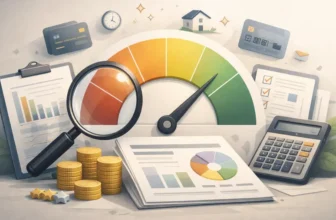
Debt can be a double-edged sword in the world of personal finance. On one hand, it can help you make significant purchases and investments, such as buying a home, financing education, or starting a business. On the other, it can significantly impact your credit score, shaping your financial future. Understanding how debt affects your credit score is crucial for anyone looking to maintain a healthy financial profile.
Why This Matters: Your credit score is more than just a number; it’s a critical aspect of your financial health that affects your ability to secure loans, get favorable interest rates, and even rent an apartment. It can influence your job prospects, as some employers check credit scores as part of their hiring process. Additionally, insurance companies may use your credit score to determine your premiums. By the end of this article, you’ll have a clear understanding of how different types of debt influence your credit score and practical tips on managing your debt effectively.
Hook: Imagine you’re ready to buy your dream home, but your loan application gets rejected due to a low credit score. Or consider the frustration of paying higher interest rates on your credit cards and loans because of past financial mistakes. These scenarios underscore the importance of maintaining a good credit score. This article will equip you with the knowledge to avoid such pitfalls and ensure your debt works for you, not against you.
Understanding Financial Goals
The Evolution and Fundamentals of Credit Scoring
The Evolution of Credit Scores
The concept of credit scoring dates back to the mid-20th century when lenders needed a standardized method to assess the risk of lending money. Initially, credit decisions were based on personal relationships and subjective judgments, which often led to inconsistent and biased lending practices. To address these issues, the Fair Isaac Corporation developed the FICO score in 1989, revolutionizing the credit industry. FICO scores range from 300 to 850, with higher scores indicating better creditworthiness. This scoring model brought objectivity and consistency to credit decisions, making the process fairer and more transparent.
Key Terms and Concepts
- Credit Score: A numerical expression based on a level analysis of a person’s credit files, representing the creditworthiness of an individual. Credit scores are used by lenders, landlords, and even employers to assess financial reliability.
- Debt-to-Income Ratio (DTI): A personal finance measure that compares an individual’s monthly debt payment to their monthly gross income. A lower DTI indicates better financial health and a higher ability to manage monthly debt payments.
- Credit Utilization Ratio: The amount of credit you are using compared to your credit limit, expressed as a percentage. This ratio is a significant factor in credit scoring, with lower utilization generally indicating better financial management.
Principles and Theories
The primary theory behind credit scores is that past financial behavior predicts future behavior. Lenders use credit scores to assess the risk of lending money to consumers. Key principles include:
- Credit Utilization: High credit utilization indicates higher risk, as it suggests the individual may be overextended financially.
- Payment History: Consistent, on-time payments demonstrate reliability and reduce perceived lending risk.
- Length of Credit History: A longer credit history provides more data points for assessing financial behavior, which can be beneficial if the history is positive.
- Types of Credit: A mix of credit types (e.g., installment loans, revolving credit) shows the ability to manage various financial products.
- Recent Credit Activity: Frequent applications for new credit can be a red flag, suggesting potential financial instability or increased risk.
Current Relevance
The Modern Landscape of Credit Scores
The State of Credit Scores Today
In today’s economy, credit scores play an even more critical role. According to recent statistics, the average FICO score in the U.S. reached a record high of 710 in 2020. This increase is attributed to better credit management practices and a greater awareness of the importance of credit scores. However, the ongoing economic challenges, such as the COVID-19 pandemic, have caused fluctuations, making it essential for consumers to stay informed about their credit health.
Recent Trends and Developments
- Pandemic Impact: The COVID-19 pandemic led to significant shifts in credit scores as many consumers faced financial hardships. Stimulus packages and payment deferrals helped some maintain their scores, while others saw declines due to missed payments and increased debt.
- Technology Advancements: Fintech innovations have made it easier for consumers to track and manage their credit scores. Apps and online tools provide real-time updates and personalized advice, helping individuals make informed decisions about their credit health.
- Policy Changes: Changes in credit reporting and scoring policies, such as the inclusion of utility and rental payments in credit reports, have made it possible for more consumers to build and improve their credit scores.
Impact on Financial Decisions
Understanding your credit score’s current state helps in making informed financial decisions. A good credit score can lead to better loan terms, lower interest rates, and increased financial opportunities, whereas a poor score can limit your options and cost you more in the long run. For example, a high credit score can save you thousands of dollars over the life of a mortgage by securing a lower interest rate. Conversely, a low credit score can result in higher interest rates on credit cards and loans, increasing your overall debt burden.
Practical Applications and Strategies
Practical Examples of Debt Impacting Credit Scores
Real-Life Applications
Let’s explore how different types of debt impact your credit score through practical examples:
- Credit Card Debt: High credit card balances can lead to a high credit utilization ratio, negatively affecting your credit score. Aim to keep your utilization below 30% of your total credit limit. For instance, if you have a total credit limit of $10,000, try to keep your balance below $3,000.
- Student Loans: While having student loans isn’t inherently bad, missing payments can significantly damage your credit score. Consistent, on-time payments can help build a positive credit history. For example, Sarah, who graduated with $50,000 in student loans, made timely payments and saw her credit score improve over time.
- Mortgages: A mortgage is a type of installment loan that can positively impact your credit score if managed well. Timely payments over the long term show financial stability. For example, Mark took out a mortgage for his home and ensured he never missed a payment, which boosted his credit score significantly over the years.
Case Studies
- John’s Journey: John had a credit score of 650 due to high credit card debt. By consolidating his debt and paying off his balances, he reduced his utilization ratio and saw his score increase to 720 within a year. His improved credit score allowed him to refinance his mortgage at a lower interest rate, saving him money each month.
- Emily’s Experience: Emily struggled with student loan payments after graduation. By enrolling in an income-driven repayment plan, she managed her payments better, avoiding defaults and maintaining a healthy credit score. Over time, she was able to increase her score from 600 to 680, making her eligible for better credit card offers and lower interest rates.
Tips and Best Practices
- Pay on Time: Late payments can severely impact your credit score. Set up automatic payments or reminders to ensure timely payments.
- Monitor Your Credit Report: Regularly check your credit report for errors or fraudulent activity. You are entitled to a free credit report from each of the three major credit bureaus annually.
- Manage Your Credit Utilization: Keep your credit utilization ratio low by paying down balances and not maxing out your credit cards. If possible, request credit limit increases to help lower your utilization ratio.
- Avoid Unnecessary Hard Inquiries: Each hard inquiry can lower your credit score slightly. Only apply for credit when necessary.
Common Mistakes and Pitfalls
Avoiding Common Credit Mistakes and Pitfalls
Common Mistakes
- Ignoring Debt: Avoiding your debt won’t make it go away. Addressing it head-on can prevent it from negatively impacting your credit score. Create a repayment plan and stick to it.
- Closing Old Accounts: While it might seem like a good idea to close unused credit accounts, doing so can actually lower your credit score by reducing your available credit and shortening your credit history. Keep old accounts open and use them occasionally to maintain an active credit history.
- Applying for Too Much Credit: Each credit application results in a hard inquiry on your credit report, which can temporarily lower your score. Limit the number of applications to avoid this pitfall. Instead, focus on managing your existing credit responsibly.
Why These Mistakes Occur
Many of these mistakes stem from a lack of understanding about how credit scores work. For instance, closing an old account might seem like a way to simplify your finances, but it can reduce your overall credit history length, a key factor in your credit score. Similarly, applying for multiple credit cards in a short period might be tempting during a financial crunch, but it can signal financial instability to lenders.
Overcoming Challenges
- Educate Yourself: Understanding the factors that affect your credit score can help you make informed decisions. Take advantage of free educational resources available online.
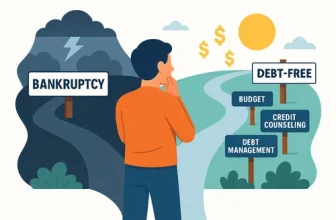
- Seek Professional Advice: If you’re struggling with debt, consider consulting a financial advisor or credit counselor. They can help you create a personalized plan to manage and reduce your debt.
- Stay Proactive: Regularly monitor your credit score and take corrective actions as needed. Set financial goals and track your progress to stay motivated.
Conclusion
Key Takeaways and Next Steps for Credit Health
Key Takeaways
Understanding the impact of debt on your credit score is essential for maintaining financial health. Key points to remember include:
- Credit Utilization Matters: Keep it low to maintain a healthy score.
- Timely Payments Are Crucial: Always pay on time to avoid negative marks.
- Monitor and Manage: Regularly check your credit report and manage your debt effectively.
Importance of the Topic
Maintaining a good credit score opens doors to better financial opportunities and can save you money in the long run. It’s a critical aspect of financial literacy that impacts various facets of your life, from buying a home to securing a loan. A good credit score reflects responsible financial behavior and can lead to lower interest rates, better loan terms, and even improved job prospects.
Next Steps
To further improve your credit score, continue to educate yourself on personal finance topics. Utilize available resources like credit monitoring tools and financial advisors. By taking proactive steps, you can ensure a healthy credit profile and a secure financial future. Explore additional reading materials, attend financial literacy workshops, and consider using budgeting apps to stay on top of your finances.
This article has provided a comprehensive overview of how debt impacts your credit score. By understanding and applying these insights, you can take control of your financial health and make informed decisions that benefit your future. Take charge of your financial journey today and pave the way for a more secure tomorrow.