Introduction
Smart Borrowing: Why It Matters
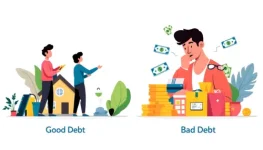
Imagine two people taking out loans. One uses theirs to buy a house that appreciates in value. The other finances an expensive vacation that leaves them with nothing but memories and debt. Both borrowed money, but one made an investment, while the other took on a financial burden. This is the difference between good debt and bad debt.
Understanding debt is critical for financial stability. Borrowing can either open doors to new opportunities or create lasting financial stress. Many people assume all debt is harmful, but some types can be beneficial when used strategically. By the end of this article, you’ll know how to distinguish between debt that can improve your financial future and debt that could set you back.
Background
The Basics of Borrowing Money
Debt has been around for centuries, fueling economic growth and personal investments. Historically, borrowing allowed individuals to start businesses, expand industries, and make significant purchases beyond their immediate financial reach. Today, loans and credit lines are more accessible than ever, making it even more important to use them wisely.
Key Definitions:
- Good Debt: Debt that helps you generate income, increase your net worth, or improve your quality of life in a sustainable way.
- Bad Debt: Debt that drains your finances without providing any long-term benefits.
- Interest Rate: The cost of borrowing money, which can significantly impact whether debt is beneficial or harmful.
- Secured vs. Unsecured Debt: Secured loans, like mortgages and auto loans, are backed by assets, while unsecured loans, like credit card debt, rely solely on creditworthiness.
Borrowing isn’t inherently bad. The key is understanding when and how to use it effectively.
Detailed Overview
Good Debt vs. Bad Debt: What’s the Difference?
Not all debt is created equal. Some borrowing can lead to financial growth, while other forms can create long-term financial stress. The distinction between good and bad debt depends on its purpose, cost, and impact on financial stability.
Good Debt: An Investment in Your Future
Good debt is borrowing that pays off over time by increasing your net worth, boosting income, or enhancing financial security. These types of debt typically have lower interest rates and offer long-term benefits.
- Education Loans: Student loans can be an investment in earning potential. Graduates generally have higher salaries than those without a degree, making education a worthwhile expense when carefully planned.
- Mortgages: Buying a home can build wealth over time, especially if the property appreciates in value. Unlike rent, mortgage payments contribute to home equity, providing financial stability.
- Business Loans: Borrowing to start or expand a business can generate income and create opportunities. Well-managed business loans can lead to significant returns and long-term success.
- Investing in Skills and Certifications: Paying for professional development, such as certifications or technical training, can increase job opportunities and salary potential.
- Low-Interest Auto Loans: If a reliable car is necessary for work, financing it under reasonable terms can be beneficial. Choosing a practical vehicle with manageable loan terms ensures affordability.
The key to good debt is ensuring it leads to financial growth rather than unnecessary financial burdens.
Bad Debt: Borrowing Without a Return
Bad debt does not generate financial benefits and often results in long-term financial strain. High interest rates, unnecessary purchases, and a lack of long-term value are common characteristics of bad debt.
- Credit Card Debt: High-interest credit card balances can become difficult to pay off, especially when used for non-essential expenses. Carrying a balance from month to month increases overall costs.
- Luxury Purchases on Credit: Buying designer clothing, high-end electronics, or expensive vacations on credit can create financial strain when there is no plan to pay off the debt quickly.
- High-Interest Personal Loans: Borrowing money for non-essential purchases at high interest rates often leads to prolonged debt cycles.
- Payday Loans: These short-term loans come with exceptionally high fees, making repayment difficult and trapping borrowers in a cycle of debt.
- Overpriced Auto Loans: Buying an expensive car with unfavorable loan terms can leave borrowers struggling with payments on a rapidly depreciating asset.
Bad debt often results from impulsive spending or borrowing without a repayment strategy. Unlike good debt, it does not create long-term financial value and can negatively impact credit scores and financial well-being.
Key Differences Between Good and Bad Debt
| Factor | Good Debt | Bad Debt |
|---|---|---|
| Purpose | Investment in future earnings | Temporary gratification |
| Interest Rate | Usually lower | Often high |
| Financial Impact | Builds wealth or income potential | Creates long-term financial strain |
| Examples | Education, mortgage, business loans | Credit card debt, payday loans, luxury purchases |
Recognizing the difference between good and bad debt allows borrowers to make more informed financial decisions and avoid unnecessary financial stress.
Current Relevance
Why Debt Matters More Than Ever
Debt plays a major role in today’s economy, with increasing access to credit cards, personal loans, and financing options. More people are borrowing than ever before, but many do so without a plan.
- Rising Student Debt: In many countries, student debt has reached record highs. Understanding which educational investments are worth the cost is more important than ever.
- Housing Market Trends: With fluctuating real estate values and interest rates, mortgages can be a great investment or a financial trap.
- Consumer Debt Boom: The ease of online shopping and credit card use has led to increasing personal debt, making financial literacy essential.
- The Cost of Inflation: As living costs rise, more people turn to credit to manage expenses, often without fully understanding the long-term effects.
With financial markets constantly shifting, making informed borrowing decisions is more crucial than ever.
Practical Applications and Strategies
How to Borrow Money the Right Way
Applying this knowledge in everyday life can prevent financial pitfalls. Here’s how to make borrowing work for you:
- Know Your Purpose: Always ask if the debt will improve your financial situation or create a burden.
- Understand Interest Rates: Low-interest loans for investments like education and homeownership can be beneficial, but high-interest debt should be avoided.
- Pay Off High-Interest Debt First: Prioritizing repayment of high-interest credit card debt can save thousands over time.
- Live Within Your Means: Just because credit is available doesn’t mean it should be used.
- Create a Repayment Plan: Always borrow with a strategy to pay off debt efficiently.
- Build an Emergency Fund: Having savings reduces reliance on bad debt during financial hardships.
Practical Example:
- Good Debt in Action: Maria took out a student loan to earn a degree that doubled her salary. She paid it off within five years and now earns significantly more.
- Bad Debt Gone Wrong: Alex put $5,000 on a credit card for an extravagant vacation. Without a repayment plan, interest charges doubled the cost.
Smart borrowing ensures financial growth instead of unnecessary stress.
Common Mistakes and Pitfalls
Avoiding Common Debt Mistakes
Even with good intentions, many people fall into debt traps. Here’s what to watch out for:
- Borrowing Without a Plan: Taking on debt without a clear repayment strategy can lead to financial struggles.
- Ignoring Interest Rates: A low monthly payment might seem manageable, but high interest can add up quickly.
- Only Making Minimum Payments: Paying the bare minimum on credit cards prolongs debt and increases interest paid over time.
- Using Credit for Everyday Expenses: Relying on credit cards for groceries or bills leads to financial instability.
- Not Comparing Loan Offers: Taking the first loan available without shopping for better rates can cost thousands in extra interest.
To stay on track, always assess the long-term impact of borrowing decisions.
Conclusion
The Bottom Line: Make Debt Work for You
Borrowing money is neither good nor bad on its own—it depends on how it’s used. Smart debt can open doors to opportunities, while careless borrowing can lead to financial hardship.
Before taking on debt, ask yourself: Will this improve my financial future, or will it create unnecessary stress? Thinking ahead and making informed choices can keep your finances healthy and your goals within reach.