Introduction
Why You Need an Emergency Fund
What would happen if your car broke down tomorrow, or you lost your job? Financial emergencies happen to everyone at some point. Without a plan, unexpected expenses can lead to debt or financial stress.
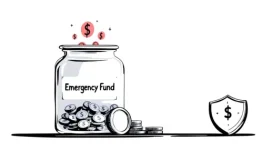
An emergency fund savings plan is money set aside for unplanned expenses like medical bills, home repairs, or job loss. It acts as a financial cushion, preventing you from relying on credit cards or loans in difficult times. By the end of this guide, you’ll learn why an emergency fund savings strategy is necessary, how to start one, and how to make sure it stays intact.
Background
What an Emergency Fund Is and Why It Matters
The idea of setting money aside for emergencies isn’t new. Historically, people saved for tough times, whether by storing extra food or keeping cash hidden away. The modern version is a dedicated savings account designed to cover urgent, unexpected expenses.
Key Terms to Know:
- Emergency Fund: A reserve of money set aside strictly for urgent and unexpected costs.
- Liquidity: How quickly you can access your money without penalties or losses.
- Expense Ratio: A calculation of your average monthly expenses, which helps determine the size of your emergency fund.
A strong emergency fund keeps you financially independent during setbacks. Without one, people often turn to loans or credit cards, which create additional financial burdens.
Detailed Overview
Steps to Build an Emergency Fund
Starting from scratch might seem overwhelming, but breaking it down into steps makes it manageable.
1. Set a Realistic Goal
A general rule is to save at least three to six months’ worth of living expenses. If your job is unstable or you have dependents, you may need more. Start small, aiming for an initial goal of $500 to $1,000. This amount alone can cover many unexpected costs and keep you from falling into debt. Once this initial goal is reached, gradually work towards a more substantial fund.
2. Track Your Spending and Find Extra Cash
Understanding where your money goes helps identify areas where you can free up extra cash. Some ways to redirect funds include:
- Canceling subscriptions you don’t actively use
- Cooking at home instead of dining out
- Reducing impulse purchases by setting a 24-hour rule before making non-essential buys
- Negotiating bills such as phone plans, internet services, or insurance premiums
Even small adjustments can add up, making it easier to put money toward savings without drastically affecting your lifestyle.
3. Automate Your Savings
Consistency is key. Automating transfers from your checking account to a dedicated emergency savings account ensures you’re saving regularly. Start with an amount that feels manageable—$20, $50, or more per paycheck—and increase it as your financial situation improves.
4. Keep It Separate from Everyday Money
One common mistake is keeping emergency funds in a checking account, where they’re easy to access and accidentally spend. Instead, store them in a high-yield savings account, a money market account, or an account at a separate bank to reduce temptation while still maintaining liquidity.
5. Use Extra Income to Grow Your Fund
Unexpected money, such as tax refunds, bonuses, or gift money, provides an opportunity to boost your emergency savings significantly. Instead of spending these windfalls on non-essential items, allocate a percentage—or the entire amount—to your emergency fund.
6. Earn More to Save More
If saving feels slow, consider supplementing your income with a side gig. Freelancing, selling unwanted items, or picking up part-time work can provide extra cash that goes directly into your emergency fund.
7. Reevaluate Your Fund as Life Changes
Your savings goal should evolve as your financial situation changes. If you take on a mortgage, have a child, or switch to self-employment, reassess your emergency fund to ensure it’s sufficient to cover new responsibilities.
Current Relevance
Why It’s More Important Than Ever
Many people live paycheck to paycheck, and an emergency fund savings plan is often the difference between financial stability and debt. According to a 2023 study by the Federal Reserve, nearly 40% of Americans couldn’t cover a $400 emergency expense without borrowing money.
Recent economic fluctuations and rising living costs have made financial preparedness more important than ever. Building an emergency fund savings plan now protects against future uncertainties, whether it’s inflation, job instability, or sudden expenses.
Practical Applications and Strategies
How an Emergency Fund Helped
When You Lose Your Job
After working at a marketing agency for five years, Lisa unexpectedly lost her job. Because she had six months’ worth of expenses saved, she was able to cover rent, utilities, and groceries without panic. This allowed her to focus on finding a new job instead of stressing over bills.
When Medical Bills Pile Up
Mark, a freelancer, had a sudden medical emergency requiring surgery. Without insurance, the cost was overwhelming. Fortunately, his emergency fund covered the expenses, preventing him from relying on credit cards or loans.
When Your Car Needs Repairs
Jake commutes to work daily, and his car breaking down could have jeopardized his job. Having a dedicated emergency fund allowed him to pay for repairs immediately, ensuring he didn’t miss work or income.
How to Stay on Track:
- Replenish funds after using them
- Review savings goals annually
- Adjust contributions based on life changes
Common Mistakes and Pitfalls
Mistakes That Can Wreck Your Emergency Fund
1. Using It for Non-Emergencies
Many people treat their emergency fund as extra spending money. Vacations, new gadgets, or holiday shopping are not emergencies. Keeping your fund strictly for urgent expenses ensures it’s there when you need it most.
2. Saving Without a Goal
Not having a specific target makes it easy to lose motivation. Whether your goal is three months of expenses or a set dollar amount, a clear target helps keep you focused.
3. Keeping It in the Wrong Place
A checking account makes your savings too accessible, while investments make it difficult to withdraw quickly. A high-yield savings account or money market account is a smart choice.
4. Stopping Too Soon
Reaching an initial milestone like $1,000 is great, but stopping there leaves you vulnerable to larger financial setbacks. Keep building so you have full coverage for bigger emergencies.
Conclusion
Get Started Today
Starting an emergency fund savings plan isn’t about having large sums immediately—it’s about consistent progress. Even small steps make a difference over time. The security of knowing you have a financial buffer is worth the effort. If you haven’t started yet, set a goal, automate savings, and make adjustments as needed. Your future self will thank you.