Introduction
The Importance of Starting Early
Have you ever wondered why some people seem financially secure while others struggle to save? A shocking statistic reveals that nearly 60% of Americans have less than $1,000 in savings. That means a single emergency could spell financial disaster. If you’re looking to build a solid financial future, mastering the art of smart savings strategies for beginners is essential.
The main focus of this guide is to provide beginners with practical, easy-to-follow smart savings strategies for beginners that set the foundation for long-term financial stability. Whether you’re struggling to save or simply want to improve your approach, this article will help you understand the key principles of smart saving and how to make it a lifelong habit. By the end, you’ll have a concrete roadmap to build your financial future with confidence.
Background
Essential Savings Fundamentals
Before diving into specific strategies, it’s important to understand what saving really means and why it matters.
Historically, saving money has always been a fundamental aspect of financial well-being. From ancient times when people stored grains and gold for the future to modern bank accounts and investment portfolios, the concept remains the same: prepare today for a secure tomorrow.
One of the most influential economic theories regarding savings comes from Keynesian economics, which suggests that individuals with higher incomes tend to save more, while lower-income earners often struggle to build wealth due to high expenses. This highlights the importance of developing disciplined saving habits regardless of income level.
Here are some key terms to understand:
- Emergency Fund: A reserve of money set aside for unexpected expenses.
- Budgeting: The process of planning how to spend and save your income.
- Compound Interest: The concept of earning interest on both the initial deposit and the accumulated interest over time.
- High-Yield Savings Account: A bank account that offers a higher interest rate than a standard savings account.
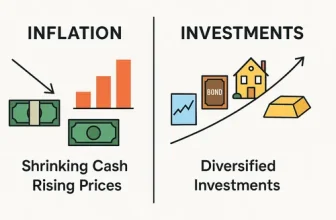
- Inflation and Its Impact: Inflation erodes the purchasing power of money over time, making savings a crucial tool for maintaining financial security.
- Opportunity Cost of Spending: Every dollar spent today is a dollar that cannot be invested for future growth.
By grasping these foundational concepts, you’ll be better equipped to implement effective savings strategies.
Detailed Overview
Smart Saving Strategies to Follow
Now that you understand the importance of saving, let’s explore actionable strategies to help you get started:
Pay Yourself First
Before spending on anything else, set aside a portion of your income for savings. Automate this process to ensure consistency. This habit creates a disciplined approach to saving and removes the temptation to spend before saving.
Follow the 50/30/20 Rule
A simple but effective budgeting strategy: allocate 50% of your income to necessities (rent, groceries, bills), 30% to discretionary spending (entertainment, dining out), and 20% to savings and investments. Adjust percentages as necessary to align with personal financial goals.
Use Separate Accounts
Establish different savings accounts for various purposes, such as an emergency fund, vacation fund, and retirement savings. Keeping money in separate accounts prevents overspending and ensures funds are dedicated to their intended purpose.
Cut Unnecessary Expenses
Conduct a financial audit and identify non-essential expenses. Cancel unused subscriptions, dine out less frequently, and reduce impulse purchases. Small savings in multiple areas can add up significantly over time.
Utilize Employer Benefits
Many employers offer benefits such as 401(k) matching, Health Savings Accounts (HSAs), and Employee Stock Purchase Plans (ESPPs). Maximize these opportunities, as they can significantly boost your savings and provide tax advantages.
Consider a Side Hustle
Earning additional income through freelance work, tutoring, or selling handmade products can accelerate savings growth. Use extra earnings exclusively for savings to reach financial goals faster.
Leverage Technology
Use budgeting apps such as Mint, YNAB, or PocketGuard to track expenses, set savings goals, and automate transfers. Financial technology can simplify money management and increase accountability.
Reduce High-Interest Debt
Credit card debt and personal loans often carry high interest rates, making it difficult to save. Prioritize paying off high-interest debts first to free up more funds for savings.
Set SMART Goals
Make savings goals Specific, Measurable, Achievable, Relevant, and Time-bound. For example, instead of saying, “I want to save money,” set a goal like, “I will save $5,000 for an emergency fund within 12 months by setting aside $417 per month.”
Re-evaluate and Adjust Regularly
Life circumstances change, so revisit your savings strategy periodically to ensure it aligns with your financial goals. Adjust budget allocations and savings targets as needed.
Participate in a No-Spend Challenge
Commit to a no-spend challenge for a week or a month, during which you only spend on essentials. This exercise helps identify spending habits that can be permanently reduced or eliminated.
Automate Windfalls to Savings
Unexpected financial gains such as bonuses, tax refunds, or cash gifts should be directed into savings rather than spent impulsively. Use these windfalls to strengthen emergency funds or investment accounts.
Round-Up Savings Programs
Many banks offer round-up savings programs that automatically round up transactions to the nearest dollar and deposit the difference into a savings account. This effortless method helps build savings passively.
Avoid Lifestyle Inflation
When earning more money, it’s tempting to increase spending accordingly. Instead of upgrading your lifestyle, maintain current expenses and allocate the increased earnings toward savings and investments.
Invest in Retirement Early
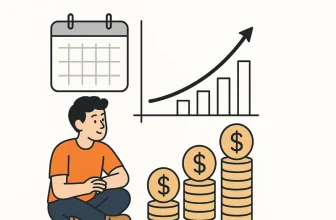
Contributing to a retirement plan as early as possible allows time for compound interest to work its magic. The earlier you start, the less you need to contribute in the long run to reach the same retirement goals.
By incorporating these strategies, you’ll create a structured and sustainable savings plan that ensures financial security and long-term success.
Check out the Savings Rate Calculator Here
Current Relevance
The Urgency of Saving Today
In today’s economy, having a robust savings plan is crucial. The COVID-19 pandemic highlighted the importance of emergency funds as millions lost their jobs unexpectedly. Rising inflation and economic uncertainty make saving even more essential for financial security.
Recent statistics show that personal savings rates fluctuate significantly, with many people unable to sustain long-term saving habits. Additionally, digital banking has made saving easier with automated transfers and financial tracking tools.
For the average person, having a strong savings plan means more than just security—it provides freedom and opportunities, whether it’s for homeownership, travel, or early retirement.
Furthermore, with the rise of the gig economy, self-employed individuals must plan their savings more carefully, as they do not have access to employer-sponsored retirement plans or benefits. Having a solid savings strategy provides a safety net in case of irregular income streams
Practical Applications and Strategies
Success Stories & Practical Tips
To see the power of saving in action, consider these real-life examples:
- Emma’s Emergency Fund: Emma, a 30-year-old graphic designer, lost her job during the pandemic. Thanks to her emergency fund, she was able to sustain herself for six months while finding a new job.
- John’s Smart Investment Strategy: John started investing 20% of his income in his 20s. Now in his 40s, he has a sizable retirement fund, allowing him to plan for early retirement.
- Sarah’s Debt-Free Journey: Sarah used the snowball method to pay off her debts while still contributing to her savings, achieving financial independence within five years.
- Alex’s Side Hustle Success: Alex started a small online business to supplement his income. Within a year, he saved enough to invest in a high-yield savings account and secure his financial future.
- Lisa’s No-Spend Challenge: Lisa committed to a no-spend month, redirecting her usual expenses into savings. By the end of the year, she had saved enough for a vacation without incurring debt.
Common Mistakes and Pitfalls
Avoiding Costly Savings Mistakes
Many beginners make these common savings mistakes:
- Not Having an Emergency Fund – Without one, unexpected expenses can lead to debt.
- Living Beyond Their Means – Overspending on lifestyle upgrades can make saving impossible.
- Ignoring Small Savings Opportunities – Small daily savings add up over time.
- Not Taking Advantage of Employer Benefits – Failing to utilize a 401(k) match is leaving free money on the table.
- Giving Up Too Soon – Saving is a long-term habit. Stay consistent and adjust as needed.
- Failing to Automate Savings – Without automation, it’s easy to forget to save regularly.
- Investing in Low-Yield Accounts – Keeping all savings in a low-interest account can result in money losing value over time due to inflation.
- Over-Reliance on Credit – Using credit cards for everyday expenses can quickly lead to financial trouble if not managed properly.
Avoiding these pitfalls will keep you on track toward financial success.
Conclusion
Final Thoughts
Saving money isn’t just about setting aside cash—it’s about creating a secure and empowered future. Whether you’re just starting or looking to refine your approach, implementing these strategies will put you on the path to financial independence.
Think of your savings as a roadmap to your dreams. Whether it’s buying a home, traveling the world, or retiring early, the habits you develop today will shape your future. The best time to start saving was yesterday; the second-best time is today. What step will you take right now to build your financial future?