Introduction
Introduction: Taking Control of Your Debt
Debt can feel overwhelming, but with the right strategy, you can regain control and work toward financial freedom. Did you know that the average American household carries around $90,000 in debt, including credit cards, mortgages, and student loans? If you’re struggling to manage multiple payments, interest rates, and due dates, creating a debt repayment plan is your first step toward financial stability.
In this guide, you’ll learn how to assess your financial situation, choose a repayment strategy, and avoid common pitfalls. By the end, you’ll have a clear, actionable plan to help you become debt-free faster.
The Psychological Burden of Debt
Debt not only affects your financial situation but also impacts your mental health. Studies show that high debt levels can contribute to stress, anxiety, and even depression. Having a structured plan in place can alleviate some of this mental burden and give you a sense of control over your financial future.
Understanding Financial Goals
Understanding Debt and Its Impact
Before diving into repayment strategies, it’s essential to understand how debt works and why it can be so challenging to manage.
Key Debt Concepts:
- Principal: The original amount you borrowed.
- Interest Rate (APR): The cost of borrowing money, expressed as a percentage.
- Minimum Payment: The lowest amount you must pay each month.
- Credit Utilization Ratio: The percentage of your available credit that you’re using.
Types of Debt
Debt can be categorized into two main types:
- Secured Debt – Backed by collateral (e.g., mortgages, car loans).
- Unsecured Debt – Not backed by collateral (e.g., credit cards, personal loans).
Understanding the difference can help you prioritize repayment effectively.
Common Myths About Debt:
- “Debt is always bad.” Not necessarily! Strategic debt, like a mortgage or student loans, can be beneficial if managed correctly.
- “Only wealthy people can get out of debt.” Anyone can become debt-free with the right plan and discipline.
- “You should always pay off the biggest debt first.” Not true—different strategies work better for different people.
Current Relevance
Choosing a Debt Repayment Strategy
Now that you understand the basics, let’s explore the two most popular debt repayment methods: the Debt Snowball and Debt Avalanche strategies.
Debt Snowball Method:
- List all debts from smallest to largest (ignore interest rates for now).
- Pay the minimum on all debts except the smallest.
- Put extra money toward the smallest debt until it’s paid off.
- Move to the next smallest debt and repeat.
Pros: Motivating and psychologically rewarding. Cons: May take longer to save money on interest.
Debt Avalanche Method:
- List debts from highest to lowest interest rate.
- Pay the minimum on all debts except the one with the highest rate.
- Focus extra payments on the highest-interest debt first.
- Repeat until all debts are gone.
Pros: Saves the most money in interest over time. Cons: Requires discipline since it takes longer to see results.
Hybrid Approach
Some people prefer a mix of both strategies, tackling high-interest debts first while keeping some small victories along the way. Choose the approach that best fits your personality and financial situation.
Practical Applications and Strategies
Why It Matters Today: Debt Trends & Challenges
Debt is a growing issue, with credit card balances in the U.S. reaching record highs. Here’s why managing debt is more important than ever:
- Rising Interest Rates: Higher rates mean increased costs for carrying debt.
- Inflation: As the cost of living rises, managing debt becomes even more critical.
- Financial Security: Debt freedom leads to more savings, better credit scores, and lower financial stress.
The Effect of Debt on Credit Scores
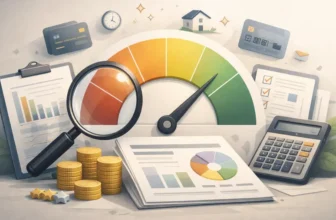
Your credit score plays a crucial role in your financial health. High credit utilization and late payments can negatively impact your score, making it harder to secure loans or favorable interest rates in the future. Managing debt responsibly improves your creditworthiness over time.
Creating Your Personalized Debt Repayment Plan
Step 1: Assess Your Financial Situation
- List all your debts, including balances, interest rates, and minimum payments.
- Review your income and expenses to determine how much extra you can put toward debt repayment.
Step 2: Choose Your Strategy
- If motivation is key, go with the Debt Snowball.
- If saving on interest is your priority, use the Debt Avalanche.
Step 3: Set a Budget & Automate Payments
- Allocate funds to cover necessities and minimum payments.
- Automate extra payments toward your targeted debt to stay on track.
Step 4: Find Ways to Free Up Extra Cash
- Cut unnecessary expenses (subscriptions, dining out, impulse purchases).
- Increase income (side gigs, freelancing, selling unused items).
Step 5: Stay Consistent & Adjust as Needed
- Track progress monthly and adjust payments based on your financial situation.
- Celebrate small wins to stay motivated.
Common Mistakes and Pitfalls
Common Mistakes & How to Avoid Them
Mistake #1: Only Paying the Minimum
- Why It’s a Problem: It keeps you in debt longer and costs more in interest.
- Solution: Pay more than the minimum whenever possible.
Mistake #2: Ignoring High-Interest Debt
- Why It’s a Problem: It drains your finances faster.
- Solution: Use the Debt Avalanche method to tackle costly debt first.
Mistake #3: Accumulating More Debt While Repaying
- Why It’s a Problem: It negates your progress.
- Solution: Avoid new credit card charges and focus on paying down balances.
Mistake #4: Not Having an Emergency Fund
- Why It’s a Problem: Unexpected expenses can push you deeper into debt.
- Solution: Set aside at least $500-$1,000 in savings to cover emergencies.
Mistake #5: Not Reviewing Your Plan Regularly
- Why It’s a Problem: Life circumstances change, and so should your debt strategy.
- Solution: Reevaluate your plan quarterly and adjust as needed.
Conclusion
Conclusion: Your Path to Debt Freedom
Creating a debt repayment plan is one of the most empowering financial moves you can make. By understanding your debts, choosing the right strategy, and staying consistent, you can eliminate financial stress and build a secure future.
Key Takeaways:
- Assess your debts and income before making a plan.
- Choose between the Debt Snowball or Debt Avalanche methods.
- Stay disciplined, track your progress, and avoid new debt.
- Celebrate milestones to maintain motivation.
What’s Next?
- Start by listing your debts and selecting a repayment strategy today.
- Explore budgeting apps or financial planning tools to stay on track.
- Share your progress and tips with others—it helps to stay accountable!
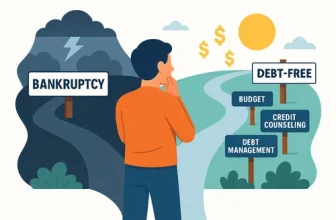
Debt repayment is a journey, but with the right mindset and plan, financial freedom is within reach!