Introduction
Understanding Real Estate Wholesaling
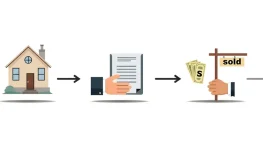
Real estate wholesaling is an investment strategy that offers a unique and potentially profitable entry point into the real estate market. Unlike traditional real estate investing, which typically requires substantial capital and long-term commitments, wholesaling allows investors to make profits by acting as intermediaries between property sellers and buyers. This strategy is particularly appealing for those who want to break into the real estate industry without needing to purchase or renovate properties themselves.
In this article, we will delve deeply into the world of real estate wholesaling, exploring its origins, the step-by-step process, current trends, real-life applications, and common mistakes. By the end of this guide, you’ll have a comprehensive understanding of wholesaling and be equipped with the knowledge needed to determine if it’s the right investment strategy for you.
Background
The Origins and Fundamentals of Real Estate Wholesaling
Real estate wholesaling, though popular today, has roots in traditional property trading practices that have evolved over centuries. Historically, traders and investors would purchase properties at lower prices and sell them at higher prices, reaping the benefits of market fluctuations and property appreciation. Over time, savvy investors discovered that they could earn profits without ever taking ownership of the property. Instead, they would secure contracts with sellers and assign those contracts to buyers for a fee, effectively making money by facilitating the transaction rather than through ownership.
This evolution in strategy marked the birth of modern real estate wholesaling, where the focus shifted from property ownership to contract assignment. The strategy became particularly popular in the mid-20th century, as real estate markets became more competitive and accessible to a broader range of investors.
Understanding the Language of Wholesaling
To successfully navigate the world of real estate wholesaling, it’s essential to understand some key terms and concepts:
- Assignment of Contract: The process by which a wholesaler transfers their rights in a purchase agreement to another buyer in exchange for a fee.
- Earnest Money Deposit (EMD): A deposit made by the wholesaler to the seller as a sign of commitment to the purchase agreement. This deposit is typically refundable if the contract conditions are not met.
- Double Closing: A more advanced wholesaling technique where the wholesaler buys the property and sells it immediately, often on the same day, to another buyer.
- After Repair Value (ARV): The estimated value of a property after it has been repaired and renovated. This figure is crucial for determining the potential profitability of a deal.
These concepts form the foundation of real estate wholesaling and will be referenced throughout the wholesaling process.
Detailed Overview
Step-by-Step Wholesaling Process
Real estate wholesaling is a multi-step process that requires strategic planning, negotiation skills, and a keen understanding of the real estate market. In this section, we’ll delve into each step of the wholesaling process in greater detail, providing you with a thorough understanding of how to execute a successful deal.
The Wholesaling Process
Wholesaling can be broken down into six fundamental steps:
1. Finding a Property
The first and most crucial step in real estate wholesaling is identifying a suitable property. Unlike traditional real estate investments, wholesalers typically look for properties that are either distressed or undervalued. These properties are often owned by motivated sellers who are eager to sell quickly, either due to financial difficulties, property damage, or life circumstances such as divorce or relocation.
Strategies for Finding Properties:
- Direct Mail Campaigns: One effective method for finding distressed properties is through direct mail marketing. Wholesalers often send postcards or letters to owners of properties that meet specific criteria, such as being in foreclosure or having a high level of equity.
- Driving for Dollars: This strategy involves physically driving through neighborhoods to identify properties that appear to be in disrepair or neglected. Once identified, the wholesaler can reach out to the property owner with an offer.
- Online Listings and Auctions: Websites like Zillow, Craigslist, and foreclosure auction sites can be goldmines for finding distressed properties. These platforms allow wholesalers to cast a wide net and identify potential deals across different markets.
- Networking: Establishing relationships with real estate agents, attorneys, and other investors can lead to off-market deals that are not available to the general public.
2. Analyzing the Deal
Once a property is identified, the next step is to analyze the deal to ensure it has the potential to be profitable. This involves a thorough assessment of the property’s current value, the cost of any necessary repairs, and its potential after-repair value (ARV).
Key Factors to Consider:
- Current Market Value: Research the property’s current value by looking at comparable sales (comps) in the area. Comps are recently sold properties that are similar in size, condition, and location to the subject property.
- Repair Costs: Estimate the cost of any repairs or renovations that the property will require. This is crucial for determining the property’s ARV and ensuring that the deal will be attractive to potential buyers.
- Maximum Allowable Offer (MAO): Calculate your maximum allowable offer, which is the highest price you can pay for the property while still leaving room for profit. A common formula for determining the MAO is:
is a general guideline used by many wholesalers, though the exact percentage can vary based on market conditions and specific deal circumstances.
3. Negotiating and Securing the Contract
With the analysis complete and the property deemed a good candidate for wholesaling, the next step is negotiating the purchase agreement with the seller. This is where your negotiation skills come into play.
Tips for Successful Negotiation:
- Understand the Seller’s Motivation: Knowing why the seller is motivated to sell can give you leverage in negotiations. For instance, a seller facing foreclosure may be more willing to accept a lower offer for a quick sale.
- Be Transparent: Honesty is crucial in building trust with the seller. Explain your intentions clearly, including your plan to assign the contract to another buyer.
- Incorporate Contingencies: Include contingencies in the contract that protect you as the wholesaler, such as inspection periods or financing clauses. These allow you to back out of the deal if certain conditions are not met.
- Earnest Money Deposit (EMD): To make the deal binding, you’ll need to provide an earnest money deposit. This is a small amount of money (usually 1-2% of the purchase price) that shows your commitment to the deal. The EMD is typically held in escrow until closing.
4. Finding a Buyer
After securing the contract, the next challenge is finding a buyer who is willing to purchase the property at a price higher than what you’ve agreed to with the seller. The difference between these two prices is your profit.
Methods to Find Buyers:
- Building a Buyers List: Proactive wholesalers maintain a list of potential buyers, such as real estate investors, landlords, and flippers who are actively seeking new properties. You can build this list through networking events, real estate investment groups, or online platforms.
- Marketing the Deal: Use various marketing channels to advertise the property, including email blasts to your buyers list, social media, and real estate forums. Highlight the key selling points of the property, such as its potential ARV, location, and any unique features.
- Hosting Property Walkthroughs: Invite potential buyers to view the property. A well-organized walkthrough allows buyers to assess the property’s condition and visualize its potential after repairs.
5. Assigning the Contract
Once you have identified a buyer, the next step is to assign the purchase contract to them. This involves transferring your rights as the buyer in the contract to the new buyer, who will then complete the purchase of the property directly from the original seller.
Steps in Assigning the Contract:
- Drafting the Assignment Agreement: This agreement formalizes the transfer of the contract to the buyer. It specifies the assignment fee you will receive, which is the difference between your purchase price and the price the buyer agrees to pay.
- Facilitating the Assignment: Ensure that all parties understand the terms of the assignment. The buyer will usually pay you the assignment fee upon signing the agreement, and the original contract terms will then be transferred to the buyer.
- Disclosure: Some states require wholesalers to disclose to all parties that the contract is being assigned. Make sure to follow any legal requirements to avoid complications.
6. Closing the Deal
The final step in the wholesaling process is closing the deal. The buyer will complete the purchase of the property from the seller, and you will collect your assignment fee.
The Closing Process:
- Coordinating with Title Companies or Attorneys: Work with a title company or real estate attorney to ensure that the closing process is smooth and all legal requirements are met. The title company will handle the transfer of the property and disbursement of funds.
- Receiving Your Fee: On the day of closing, the title company will disburse the funds according to the terms of the assignment agreement. You’ll receive your assignment fee, and the transaction will be complete.
The Importance of Building Relationships in Wholesaling
Building and maintaining relationships is key to success in real estate wholesaling. Strong connections with sellers, buyers, and real estate professionals can lead to more deals and better opportunities.
- Seller Relationships: Building rapport with sellers can lead to repeat business and referrals. A satisfied seller may recommend you to others who are looking to sell their properties quickly.
- Buyer Relationships: Keeping buyers happy by consistently providing good deals can lead to a steady stream of business. Loyal buyers are more likely to purchase multiple properties from you and may be willing to pay a premium for properties that meet their criteria.
- Professional Network: Establishing connections with real estate agents, attorneys, contractors, and title companies can streamline your operations and provide valuable support throughout the wholesaling process.
Advanced Wholesaling Techniques
For those who have mastered the basics of wholesaling, there are advanced techniques that can further enhance profitability and efficiency:
- Double Closing: In a double closing, the wholesaler purchases the property and immediately sells it to the end buyer, often on the same day. This approach can be beneficial if the assignment fee is particularly large, as it prevents the buyer from seeing the amount of profit you’re making.
- Transactional Funding: This is a short-term loan used to finance the double closing. The loan is repaid within 24 hours, often from the proceeds of the second sale. Transactional funding is a useful tool when double closing on a property.
- Joint Ventures (JVs): Partnering with other investors can allow you to take on larger or more complex deals. In a joint venture, partners share the responsibilities and profits, allowing for more significant opportunities.
The Role of Technology in Wholesaling
Technology has revolutionized the real estate wholesaling industry, making it easier to find deals, manage contracts, and market properties. Here are some of the most impactful tools:
- Property Analysis Tools: Software like PropStream and REIPro provide comprehensive property data, including comps, estimated repair costs, and potential ARVs, making deal analysis faster and more accurate.
- Customer Relationship Management (CRM) Systems: CRMs help wholesalers manage their leads, track communications, and maintain relationships with buyers and sellers.
- Marketing Automation: Tools like Mailchimp and HubSpot allow for automated email campaigns, helping wholesalers reach potential buyers efficiently.
By mastering these steps and utilizing the tools available, you can build a successful wholesaling business that is both profitable and sustainable. Wholesaling offers a pathway to significant income in real estate without the need for large amounts of capital or extensive property management responsibilities. With the right approach, you can navigate the complexities of wholesaling and leverage it as a powerful investment strategy.
Current Relevance
Current Trends in Wholesaling
Trends and Technological Advancements
Real estate wholesaling has evolved significantly in recent years, with technology playing a central role in its transformation. Today, wholesalers have access to a range of digital tools that make it easier to find properties, analyze deals, and connect with buyers.
Key Trends Shaping the Industry:
- Technology Integration: Platforms like PropStream, DealMachine, and REIPro have revolutionized how wholesalers find and analyze properties. These tools offer detailed property data, market analysis, and automated marketing capabilities, streamlining the entire process.
- Increased Regulation: Some states and municipalities have introduced regulations specifically targeting wholesalers. These laws may require wholesalers to obtain real estate licenses or disclose their role in the transaction to all parties involved.
- Virtual Wholesaling: With the rise of virtual tours and online transactions, wholesalers can now operate in markets beyond their local area. Virtual wholesaling allows you to complete deals without ever visiting the property, expanding your reach and opportunities.
The Impact on Today’s Investors
For investors considering wholesaling, staying informed about these trends is crucial. The integration of technology has made wholesaling more accessible, but it has also increased competition. Additionally, new regulations mean that wholesalers must be diligent in ensuring compliance with local laws. Understanding and adapting to these trends can help you succeed in the current market.
Practical Applications and Strategies
Real-Life Applications and Tips
Applying Wholesaling in the Real World
Wholesaling can be a powerful tool for those looking to enter the real estate market with limited capital. It offers the potential for quick profits without the need for property ownership or management. Here are some practical applications and tips to help you succeed:
Practical Applications:
- Networking: Building a strong network is essential in wholesaling. Establish connections with real estate agents, investors, and property owners to find deals and buyers more easily.
- Market Research: Conduct thorough market research to identify areas with high demand for distressed properties. Understanding local market conditions will help you find better deals and attract more buyers.
- Mastering Contracts: Become familiar with the legal aspects of real estate contracts, particularly assignment clauses. A strong understanding of contracts will protect you from legal issues and ensure smooth transactions.
Case Studies and Success Stories
- The Quick Flip: A wholesaler identified a distressed property in a rapidly gentrifying neighborhood. They secured a contract at $150,000 and found a buyer willing to purchase at $170,000. After assigning the contract, the wholesaler earned a $20,000 fee within 30 days.
- Virtual Wholesaling Success: During the COVID-19 pandemic, a wholesaler used virtual tours and digital contracts to wholesale properties in multiple states. By leveraging technology, they completed five deals in three different markets, earning over $50,000 in assignment fees.
Best Practices for Wholesaling
- Build a Buyers List: Having a list of ready buyers can significantly speed up the wholesaling process and reduce the risk of being unable to assign a contract.
- Due Diligence: Always perform thorough due diligence on properties and markets to ensure that you’re entering into a profitable deal.
- Stay Compliant: Keep up-to-date with local laws and regulations. As the industry becomes more regulated, staying compliant will protect you from legal issues and help you maintain a reputable business.
Common Mistakes and Pitfalls
Avoiding Common Wholesaling Mistakes
Identifying Common Pitfalls
Wholesaling is an accessible entry point into real estate, but it’s not without its challenges. New wholesalers often make mistakes that can cost them time and money. Understanding these pitfalls can help you avoid them and achieve success more quickly.
Common Mistakes:
- Overestimating Property Value: One of the most common mistakes is overestimating the ARV of a property. This can lead to contracts that buyers find unattractive, resulting in lost deals.
- Weak Contracts: Inadequately drafted contracts can lead to legal disputes or lost deals. It’s essential to ensure that all terms are clear and protect your interests.
- Ignoring Market Competition: The low barrier to entry in wholesaling means that many people are trying to do it, making it harder to find good deals. Failing to account for competition can result in overpaying for properties or struggling to find buyers.
Strategies to Overcome Challenges
- Education and Training: Invest in your education by taking courses, reading books, and learning from experienced wholesalers. The more you know, the better equipped you’ll be to navigate challenges.
- Patience and Persistence: Don’t rush into deals. Take the time to conduct thorough research and ensure that every aspect of the deal is solid before moving forward.
- Building a Professional Team: Surround yourself with professionals such as real estate agents, lawyers, and contractors who can provide guidance and support. A strong team can help you avoid mistakes and ensure the success of your deals.
Conclusion
The Future of Real Estate Wholesaling
Real estate wholesaling offers a unique and accessible way to enter the real estate market. It requires less capital than traditional investing and provides the opportunity for quick profits. However, success in wholesaling depends on a deep understanding of the market, strong negotiation skills, and the ability to adapt to changing regulations and technologies.
The Importance of Wholesaling
Wholesaling is not just a stepping stone into real estate; it can be a sustainable and profitable long-term strategy. By mastering the fundamentals and staying informed about industry trends, you can leverage wholesaling to build wealth and achieve your financial goals.
Next Steps for Aspiring Wholesalers
If you’re considering wholesaling, the next steps involve further education and practical experience. Consider joining real estate investment groups, attending seminars, or enrolling in specialized courses. Additionally, stay updated with real estate market trends and legal changes to ensure your success in this dynamic field.
By taking these steps, you’ll be well on your way to becoming a knowledgeable and successful real estate wholesaler, ready to capitalize on opportunities as they arise.