Introduction
Why Estate Planning Matters
What happens to your assets after you’re gone? It’s a tough question, but one that can bring peace of mind once answered. Estate planning isn’t just about writing a will—it’s about ensuring that your wishes are honored, your loved ones are taken care of, and unnecessary legal or financial burdens are avoided.
Many people assume estate planning is only for the wealthy, but that’s far from true. Anyone with assets—whether a house, savings, or personal belongings—should have a plan. Without one, state laws may determine who receives your property, which could lead to unintended consequences.
By the end of this article, you’ll understand the key elements of an estate plan, how to start the process, and how to avoid common mistakes that could derail your wishes.
Background
Understanding the Basics of Estate Planning
Estate planning has existed for centuries, dating back to ancient civilizations where property and wealth were passed down through specific legal customs. Over time, formal laws developed to govern inheritance and asset distribution, shaping the legal frameworks we use today.
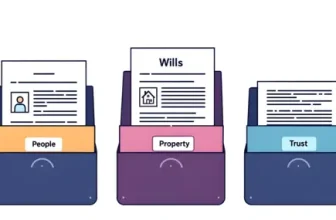
At its core, estate planning refers to the process of preparing legal documents that outline how your assets should be distributed upon death or incapacitation. Several key terms are helpful to understand:
- Will: A legal document that specifies who inherits your assets and who will manage your estate.
- Trust: A legal entity that holds assets on behalf of beneficiaries, often used to avoid probate.
- Executor: The person responsible for ensuring that the instructions in your will are followed.
- Power of Attorney: A document that gives someone the authority to make financial or medical decisions on your behalf if you become unable to do so.
- Probate: The legal process of validating a will and distributing assets accordingly.
Having these elements in place ensures that your loved ones avoid unnecessary stress and financial complications.
Detailed Overview
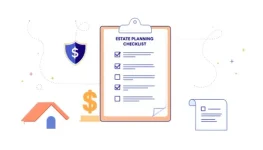
Steps to Create an Estate Plan
A well-structured estate plan takes several steps. Even if you’ve never created one before, breaking it down into these manageable parts makes it easier to get started.
Step 1: Take Inventory of Your Assets
Start by making a comprehensive list of everything you own, including:
- Real estate (primary residence, rental properties, vacation homes)
- Bank accounts (checking, savings, CDs)
- Investment accounts (stocks, bonds, mutual funds, retirement accounts)
- Business interests
- Insurance policies (life, disability, long-term care)
- Personal property (vehicles, jewelry, art, collectibles, family heirlooms)
- Digital assets (cryptocurrency, online accounts, intellectual property)
Understanding the full scope of your estate helps determine how your assets should be distributed and ensures nothing is overlooked.
Step 2: Choose Beneficiaries
Decide who will receive your assets. This could include family members, friends, charities, or other organizations. Be specific in designating beneficiaries to avoid confusion or legal disputes. Regularly review and update these choices to reflect life changes such as marriage, divorce, births, or deaths.
Step 3: Draft a Will
A will serves as the foundation of your estate plan. It should include:
- The name of an executor who will manage the distribution of assets
- A list of beneficiaries and what each will receive
- Specific instructions on asset distribution
- Guardianship instructions for minor children
Even if you have other estate planning tools, a will is necessary to ensure that any assets not included in a trust or other arrangements are properly handled.
Step 4: Set Up a Trust (If Necessary)
A trust provides more control over how and when assets are distributed. It can also help avoid probate, protect assets from creditors, and ensure financial stability for heirs. Common types of trusts include:
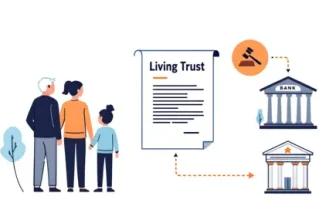
- Revocable Living Trust: Can be changed or revoked during your lifetime and helps avoid probate.
- Irrevocable Trust: Cannot be changed after being established but offers tax advantages and asset protection.
- Special Needs Trust: Ensures that a beneficiary with a disability receives support without jeopardizing government benefits.
Discuss with an attorney whether a trust is beneficial based on your circumstances.
Step 5: Assign Power of Attorney and Create Healthcare Directives
A power of attorney (POA) allows a trusted person to make financial or medical decisions if you become unable to do so. There are two main types:
- Financial Power of Attorney: Grants authority to manage finances, pay bills, and make investment decisions.
- Healthcare Power of Attorney: Gives someone the ability to make medical decisions on your behalf.
Additionally, creating a living will or advance healthcare directive ensures that your medical wishes are followed if you’re unable to communicate them.
Step 6: Review Tax Implications
Understanding estate and inheritance taxes can help protect your assets. Some strategies to reduce tax burdens include:
- Gifting assets during your lifetime to reduce estate value
- Establishing tax-efficient trusts
- Naming tax-favored beneficiaries for retirement accounts (such as a spouse or charity)
Consulting with a tax professional ensures you maximize the financial benefits for your heirs.
Step 7: Store Documents Securely and Keep Them Updated
Estate planning documents should be stored in a secure location, such as a fireproof safe or a safety deposit box. Share copies with key individuals, such as your executor, attorney, and trusted family members.
Regularly review and update documents to reflect changes in:
- Family dynamics (marriage, divorce, birth, or death)
- Financial situation (new assets, business interests, major purchases)
- Tax laws or legal requirements
A well-maintained estate plan evolves with your life, ensuring it continues to meet your needs and protect your legacy.
Current Relevance
Why Estate Planning Matters Right Now
Estate planning isn’t just about the future—it can also provide financial and legal benefits in the present.
Recent statistics show that only 33% of Americans have a will, leaving many families unprepared. Laws governing inheritance and probate have evolved, making it easier for those with proper planning to avoid legal hurdles.
Another trend is the rise of digital assets in estate planning. More people now include passwords, cryptocurrency, and social media accounts in their documents. Planning for digital assets prevents unauthorized access or disputes after death.
Additionally, tax laws continue to change. Proper estate planning can minimize estate taxes, helping beneficiaries receive more of what you leave behind.
Practical Applications and Strategies
How Estate Planning Works in Real Life
Case Study 1: Avoiding Probate with a Trust
Susan had a sizable estate and wanted to ensure that her children would receive their inheritance without going through probate. She set up a revocable living trust, transferring her assets into it. When she passed away, her children were able to access the funds immediately without court intervention.
Case Study 2: Protecting a Family Business
John owned a small business and wanted it to stay in the family. His estate plan included a succession plan, appointing his daughter as the next business owner while providing financial security for his other children. Without this, state laws might have split the business among all heirs, causing operational complications.
Tips for Success
- Clearly name beneficiaries to avoid confusion.
- Update your will every few years.
- Consult an estate planning attorney to prevent legal loopholes.
Common Mistakes and Pitfalls
Mistakes People Make and How to Avoid Them
Even with the best intentions, estate planning mistakes can create major problems.
Failing to Make a Plan
Many people assume they don’t need an estate plan, leaving their families to deal with probate court and potential conflicts.
Forgetting to Update Documents
Life changes fast. If you don’t update your will after a marriage, divorce, or birth of a child, your estate may not be distributed as you intended.
Overlooking Digital Assets
From bank accounts to social media, digital property needs to be included in estate plans to prevent unauthorized access or deletion.
Choosing the Wrong Executor
An executor needs to be responsible and capable of handling financial matters. Selecting someone unprepared for the task can cause delays and legal issues.
By being proactive and avoiding these pitfalls, you can ensure that your wishes are honored and your loved ones are protected.
Conclusion
Final Thoughts
Estate planning is a gift to your family and a safeguard for your legacy. While it may seem like a task for the distant future, taking action today prevents stress and uncertainty later. Whether you’re drafting a will, setting up a trust, or assigning a power of attorney, each step brings more control over what happens to your assets.
Start by assessing your assets and discussing your wishes with an attorney. The sooner you begin, the better prepared you’ll be for whatever the future holds.