Introduction
Why Medical Bills Deserve a Second Look
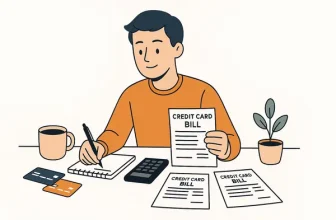
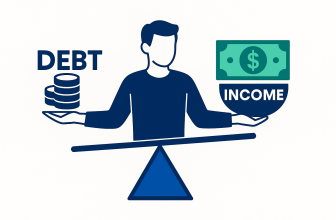
Did you know that roughly 75% of patients who challenged an unaffordable medical bill ended up paying less? For millions of Americans, receiving a hefty hospital invoice can feel overwhelming. Yet negotiating medical bills often leads to significant savings and relief. Medical debt is widespread – about four in ten U.S. adults carry some form of healthcare debt – so learning how to lower these bills can directly protect your wallet and even your credit. In this guide, we will demystify the process of medical bill negotiation in a clear, step-by-step way. You’ll see why it matters, how it works, and what you can do to reduce or settle your medical charges when they arrive. By the end of this article, you will learn practical strategies for hospital bill negotiation, understand your rights and options (like financial assistance for medical bills), and feel empowered to tackle medical expenses without derailing your financial goals.
Why should you care? Because overinflated medical bills and unexpected charges can threaten your savings and peace of mind. Negotiating these bills isn’t about being difficult – it’s about making sure you’re paying a fair and accurate amount and keeping more of your hard-earned money. Every dollar saved through medical debt negotiation is a dollar that can go toward your emergency fund, retirement, or other needs. This is especially crucial for beginner consumers who may be managing tight budgets or building wealth. In short, Negotiating Medical Bills is a skill that can prevent unnecessary debt and financial stress. Read on to learn how to take control of your healthcare costs, step by step, in an approachable and conversational manner.
Background
How Medical Billing Works (and Why It’s So Confusing)
Before diving into the details of negotiating medical bills, it helps to understand the landscape and key terms involved. Medical costs in the United States have risen dramatically over the past few decades, making large bills more common and burdensome. In fact, medical bills have long been a major factor in personal bankruptcies, historically accounting for a significant share of filings. This backdrop has made it increasingly important for consumers to learn how to lower medical bills and protect their finances. Negotiating a bill is no longer unusual – it’s often necessary. Hospitals and clinics sometimes charge “list prices” (often called chargemaster rates) that are far higher than the discounted rates insurers pay. Uninsured or underinsured patients might be billed these full amounts, which are often negotiable. The good news is that awareness of patient rights has grown, and laws now offer more protections (for example, the No Surprises Act in 2022 bans many surprise out-of-network bills).
Let’s clarify a few foundational terms and concepts that will appear in this guide:
- Explanation of Benefits (EOB): If you have health insurance, an EOB is the statement your insurer sends you after a medical visit. It isn’t a bill; it outlines what the provider charged, what the insurance paid, and what portion (if any) you are responsible for. Always compare your medical bill with the EOB to ensure they match. The EOB can reveal if something was billed out-of-network incorrectly or if a claim was denied, which you may need to appeal.
- Itemized Hospital Bill: This is a detailed breakdown of every charge on your medical bill – each test, medication, procedure, and supply. Instead of a lump sum, an itemized bill lets you see exactly what you’re paying for. Requesting an itemized bill is crucial because most medical bills contain errors – analyses have found mistakes in 75% or more of hospital bills. By reviewing line by line, you can spot duplicate charges, services you never received, or inflated fees and dispute them (disputing medical charges can lead to removals of erroneous charges).
- In-Network vs. Out-of-Network: Providers (doctors, hospitals, labs) that have contracts with your health insurance plan are “in-network,” typically charging pre-negotiated rates. “Out-of-network” providers have no such agreement, often resulting in much higher charges billed to you. A common cause of shockingly high bills is unknowingly seeing an out-of-network provider. Always try to use in-network services when possible, and if you get an out-of-network charge you didn’t expect, know that new laws may protect you in many cases.
- Deductibles, Copays, and Coinsurance: These are basic insurance concepts. A deductible is the amount you pay out-of-pocket for covered healthcare before your insurance starts paying; a copay is a fixed fee you pay for a service (like $30 for a doctor visit); coinsurance is a percentage of costs you pay after your deductible is met (for example, 20% of the bill while insurance pays 80%). These affect what portion of the bill is actually yours to pay. Negotiation often focuses on the portion you owe, not what insurance covers, though sometimes errors in how insurance was applied can mean you’re being overbilled.
- Financial Assistance / Charity Care: Many hospitals (especially nonprofit hospitals) offer charity care programs that provide free or reduced-cost treatment for patients who cannot afford their bills. Under the Affordable Care Act, nonprofit hospitals must have financial assistance policies. Eligibility is often broader than people assume – in some cases families earning several times the federal poverty level qualify for discounts. It’s always worth checking if you can get financial assistance for medical bills. We’ll discuss how to apply for these programs later.
- Medical Billing Advocates: These are professionals or services that specialize in medical billing and debt negotiation on behalf of patients. A medical billing advocate can review your bills for errors, ensure insurance was billed correctly, and even negotiate with healthcare providers or insurance companies for you. They are often used for complex or very large bills, or by people who feel unable to handle the negotiation themselves. Some advocates charge an hourly fee or a percentage of the amount saved, while others may be free or nonprofit resources. For example, the Patient Advocate Foundation and other nonprofits help patients navigate bills and appeals, sometimes at no cost. While you may not need an advocate for every situation, knowing they exist is part of your toolkit.
Understanding these basics sets the stage for how negotiating medical bills works. In essence, the process is about verifying the bill is correct, leveraging your rights (with insurance and hospitals), and communicating to reach a more affordable amount. This foundation is key to avoiding overpaying and preserving your wealth. After all, every dollar not spent on an incorrect charge or an unfair price is a dollar saved or invested for your future. Now, let’s walk through the detailed steps of negotiating a medical bill, assuming you have little to no prior experience.
Detailed Overview
Step-by-Step: How to Negotiate Your Medical Bills
In this section, we’ll break down how to lower your medical bills through careful review and negotiation. Even if you’ve never done this before, each step is straightforward and will build your confidence in dealing with hospitals, doctors, and insurance companies. Negotiating medical bills can be done by anyone – you don’t need to be an expert, just proactive and organized. Here’s a step-by-step approach:
By following these steps, you are actively engaging in medical debt negotiation – making sure you only pay what’s fair and feasible. It may feel like a lot of work, but remember the stakes: medical bills can be thousands of dollars, and negotiating them can save you a huge sum. The process also gets easier with practice; you’ll become more comfortable asking questions and requesting discounts. Next, we’ll look at what Negotiating Medical Bills looks like in today’s healthcare environment, and then we’ll see some real-life examples of these tactics in action.
Current Relevance
What’s Changed Lately—and What It Means for You
Healthcare billing is complicated, but recent developments are starting to tilt the landscape a bit more in favor of patients. Today’s consumers have more tools and rights than ever to fight unfair medical bills, though challenges remain. Let’s examine the current state of negotiating medical bills in 2025 and how it affects you as a consumer:
- Stronger Patient Protections: One of the biggest changes in recent years is the No Surprises Act (NSA), which took effect in 2022. This federal law tackles the notorious surprise medical bills that occurred when patients unknowingly received out-of-network care (for example, an out-of-network anesthesiologist during an in-network hospital surgery). The NSA now bans many surprise bills – you can no longer be charged more than the in-network rate for most emergency services and certain out-of-network care you couldn’t control. In the first nine months of 2023 alone, this law prevented over 10 million surprise bills from hitting patients. What does this mean for negotiation? It means you might be shielded from some of the most extreme bills before you even have to negotiate. Instead, providers and insurance companies use an arbitration process to settle disputes, keeping patients out of the fray. Additionally, if you’re uninsured, the NSA gives you the right to a Good Faith Estimate before treatment and the ability to dispute charges that end up far above that estimate. This doesn’t eliminate all high bills, but it’s a big step forward—fewer outrageous surprises mean your negotiations will more often be about manageable (though still significant) bills.
- Greater Price Transparency: As of today, it’s easier to find out what healthcare services should cost, which empowers you in negotiations. Hospitals are now required to post their price lists and often provide price estimator tools. Independent websites and databases (like FAIR Health, Medicare’s database, or tools from insurers) aggregate cost information. This transparency trend means you don’t have to negotiate in the dark – you can come armed with data. For instance, if you need an expensive procedure, you can sometimes shop around in advance to get quotes from different providers (how to lower medical bills before they even occur). And after the fact, you can reference these public prices to argue for a fair adjustment. Essentially, the veil is lifting on medical pricing, which historically was opaque. Knowledge is leverage: providers know that you can see if their $200 charge for a routine blood test is ten times higher than what another clinic charges. They may be more willing to offer a discount when they realize you’re informed.
- Persistent Medical Debt Issues: Despite improvements, medical debt remains a huge issue. Healthcare costs and insurance gaps mean many people still end up with bills they can’t afford. A recent survey in 2024 found that 12% of U.S. adults (around 31 million people) had to borrow money to pay medical bills in the past year, totaling an estimated $74 billion in debt. That is a staggering number – and it highlights why negotiating bills is so important. People are taking out loans, using credit cards, or turning to family and friends to handle these costs. The stress is widespread: about 58% of Americans are concerned that a major health event could lead them into medical debt. The current environment makes it clear that negotiating medical bills isn’t a niche skill; it’s practically a necessary life skill in the U.S. Knowing how to appeal a charge or set up a payment plan can make the difference between a manageable expense and a financial crisis. On the policy front, there’s growing recognition of this problem. Some states and municipalities have passed laws to strengthen hospital financial assistance requirements or limit aggressive bill collection. There’s also more scrutiny on billing practices – for example, whether hospitals are complying with charity care obligations or whether certain charges (like “facility fees”) are justifiable. All this means that as a consumer today, you may find institutions a bit more receptive to negotiation because they are under pressure to be fair and avoid public criticism.
- Impact on Credit and Debt Collection: Another significant development is how medical debt is treated by credit bureaus and lenders. Historically, an unpaid medical bill could tank your credit score if it went to collections, making it harder to buy a home, car, or even get a job in some cases. Today, that’s changing. The major credit reporting companies (Equifax, Experian, TransUnion) have removed paid medical collection debts from credit reports and will not list new medical collections under $500 at all. They also now wait 1 year (instead of just a few months) before reporting a medical debt, giving patients more time to negotiate or settle bills. Even more dramatically, as of 2025 the CFPB has finalized a rule to ban medical bills on credit reports used for lending decisions altogether. This means in the near future, medical debt won’t hurt your credit score at all in loan applications. Why mention this in a negotiation guide? First, it’s reassuring that a medical billing nightmare won’t automatically ruin your credit like it might have in the past. But second, it slightly shifts leverage: hospitals know that the threat of a credit stain is less effective now to pressure people into paying questionable bills. Debt collectors cannot “weaponize” credit reports as easily to coerce payment for debts that might be erroneous. For you, the consumer, this means you have a bit more breathing room and bargaining power. Of course, you should still strive to address medical bills – ignoring them can lead to collections and even legal action – but you can negotiate without the same fear of immediate credit score damage. Always keep an eye on your credit report to ensure any settled or non-reportable medical debt isn’t lingering there wrongly. The trend today is to treat medical debt more as a healthcare issue than a standard credit issue, which is good news for patients trying to recover financially.
- Current Avenues for Help: Today there are more resources and advocacy groups available to assist with medical bills than in the past. Nonprofits like Dollar For specifically help patients apply for charity care programs. State Consumer Assistance Programs (funded to help with insurance issues) can guide you on appeals or disputes. Even social media and community forums can offer tips, as many people share their hospital bill negotiation successes online to help others. The culture is slowly shifting – negotiating a medical bill is no longer a taboo or rare thing; it’s becoming expected. Providers might not advertise it, but they are accustomed to it. In some hospital systems, financial counselors are on staff to work out payment plans or aid you in finding assistance. The bottom line for 2025: if you get a big medical bill, you’re not the first nor the last, and there’s a growing support network to help you navigate it.
In summary, negotiating medical bills today happens in a context where patients have more rights and information than ever. However, medical costs themselves are still high, and mistakes in billing are still rampant, so the need to be proactive remains. The current state of affairs should encourage you – you have tools at your disposal and even systemic changes on your side. By using the strategies in this guide, you can take advantage of this modern landscape to ensure a medical bill doesn’t needlessly wreck your finances. Next, let’s look at how to apply these principles in real-life scenarios and some practical examples of negotiation in action.
Practical Applications and Strategies
Applying Medical Bill Negotiation in Practice
To see how all these tips come together, let’s walk through a practical example and highlight some real-life strategies for negotiating medical bills. Consider the scenario of a patient, Jane, who is navigating a hefty hospital bill:
Case Example: Jane had an unexpected hospital stay after an emergency. A few weeks later, she receives a bill for $8,000 after her insurance paid its portion. This is far more than she can afford. Here’s how Jane applies medical bill negotiation steps in practice:
- Step 1 – Jane reviews her bill and insurance EOB: She checks that the bill matches the Explanation of Benefits from her insurer. The EOB shows her insurance covered a large portion, but there’s a $8,000 balance due to deductibles and some charges the insurer didn’t cover. Jane notices one charge is labeled “out-of-network” for a specialist consult during her hospital stay, which confuses her because she went to an in-network hospital. This raises a red flag that it could be a surprise billing situation (perhaps that specialist was out-of-network). She also spots a $300 charge for an orthopedic boot she never received (she recalls the doctor discussed it but in the end they didn’t give her one).
- Step 2 – She requests an itemized bill: The initial bill was summary-style. Jane calls the hospital billing department and asks for an itemized statement. When it arrives, she goes through line by line. Indeed, she confirms the $300 charge for the orthopedic boot is listed, which she knows is an error. She also sees two separate high charges for “consultation fee – specialty”, one of which is likely the out-of-network physician. With the detailed bill in hand, Jane calls the billing office. She politely points out the $300 charge for equipment she never got and asks for it to be removed. The billing rep checks and agrees to remove that charge – now her balance should drop to $7,700. This is a win from simple disputing of a medical charge that was incorrect.
- Step 3 – She addresses the out-of-network charge: Jane brings up the out-of-network specialist fee of $1,500 that her insurance denied (part of the $8k balance). She explains that she had no choice in seeing that specialist – it happened during her emergency treatment. Under the No Surprises Act, she suspects she shouldn’t have to pay that full amount. She tells the hospital billing rep that this charge should fall under surprise billing protections. The rep suggests that Jane appeal directly to her insurance. Jane does so – she contacts her insurer, references the No Surprises Act, and files a formal appeal stating this was an in-network hospital and she did not choose the out-of-network doctor. Within a month, the insurer agrees and reprocesses the claim, covering the specialist’s fee at the in-network rate. This knocks another ~$1,200 off Jane’s responsibility (she might still owe a copay or in-network rate, but not the full $1,500). Now her balance is closer to $6,500. This illustrates how health insurance negotiation via an appeal can significantly reduce a bill.
- Step 4 – She applies for financial assistance: Jane’s remaining $6,500 is still daunting. She learns that the hospital is a nonprofit facility, which means they have a charity care program. She fills out a simple application from the hospital’s website, providing pay stubs to show her income. Jane’s income is moderate – not extremely low, but within 300% of the poverty line for her family size. A couple of weeks later, she gets great news: she qualifies for a 50% reduction under the hospital’s financial assistance policy. The hospital forgives half of her remaining bill. This reduces the balance to about $3,250. This step showcases how charity care can dramatically lower medical bill debt if you meet the criteria. Many patients skip this out of assumption they won’t qualify, but Jane’s story shows it’s always worth trying.
- Step 5 – She negotiates the rest and sets a payment plan: With $3,250 left, Jane calls the billing department again. She thanks them for the assistance approval and then says even the reduced amount is challenging for her budget. At this point, given all the prior adjustments, the hospital might be less flexible on further reductions – but Jane decides to ask anyway if they could accept, say, $2,500 as full payment. She mentions that she could borrow and pay that amount within a week if it would settle the account. The billing supervisor considers it and agrees to a medical bill settlement: if Jane pays $2,500 in a lump sum, they will write off the remaining $750 and close out the bill. Jane manages to gather the $2,500 (she uses a combination of savings and a no-interest loan from a family member), pays it, and the bill is marked paid in full. Had the supervisor not agreed to a further reduction, Jane was prepared to ask for a no-interest payment plan for the $3,250 (for example, around $135 per month for 24 months). Either way, she had a plan. In this case, her willingness to make a prompt payment gave her one last bit of negotiating leverage, and it worked.
In the end, Jane’s $8,000 bill was resolved with her paying $2,500. She achieved this by systematically reviewing, disputing errors, appealing to insurance, utilizing charity care, and negotiating a manageable final deal. This example might seem ideal, but it’s not far-fetched – many real patients have saved thousands by following these steps. The exact numbers will vary, but the process is universally applicable.
Tips and Best Practices in Action: From the example above and many like it, we can derive some practical tips for applying medical bill negotiation in your own life:
- Start early: Don’t wait until a bill is in collections to act. As soon as you receive a bill (or even a hefty estimate of charges), begin the process. Providers are more willing to work with you before things become overdue. Plus, you have more options (like insurance appeals or charity applications) if you address the bill promptly. If you ignore bills, interest or late fees could accrue and you risk losing the opportunity to negotiate at all.
- Stay organized: Keep copies of all bills, EOBs, letters, and notes from phone calls (including dates, who you spoke to, and what was said). This documentation is helpful if there’s confusion later or if you need to escalate the issue. For instance, if a hospital agrees to a settlement or payment plan, make sure you get that confirmation in writing (or email) and save it.
- Use magic phrases: Certain phrases can smooth the negotiation. Saying “I can’t afford this” signals financial hardship, which can prompt offers of assistance or leniency. Phrasing your requests cooperatively, like “What can we do to make this bill more affordable?” or “Are there any options you can offer me?”, invites the billing staff to propose solutions. It’s often effective to express that you want to pay and resolve the bill, but just need some help to do so. Billing departments deal with many non-paying cases; if you show you’re trying in good faith, they often reciprocate with flexibility.
- Be polite but firm: Emotions can run high with medical bills, but staying calm and respectful goes a long way. As one expert noted, yelling or getting angry is unlikely to win sympathy. Instead, be courteous to the representative – they’re a person doing their job – but don’t hesitate to advocate for yourself. If you hit a dead end with one agent, politely end the call and try again later with someone else. Sometimes a different representative or a supervisor will have more authority or willingness to help. Persistence is key.
- Leverage multiple approaches: As seen with Jane, the best outcome often comes from combining strategies: fix errors and appeal insurance and seek aid and negotiate. Don’t rely on just one tactic if the situation allows for several. Each bit of savings adds up. And if one approach fails (say, you don’t qualify for assistance), another might still succeed (like a payment plan or discount).
- Know external resources: If things get confusing, remember there are places to get help. You can call a medical billing advocate for a consultation – some may offer a free initial look at your case. If you suspect illegal behavior (like a debt collector harassing you for a bill you don’t owe), you can contact your state Attorney General’s consumer division or file a complaint with the CFPB. For Medicare issues, every state has a SHIP program (State Health Insurance Assistance Program) with counselors to help seniors with billing and appeals. In short, you’re not alone, and even just talking through your strategy with a knowledgeable friend or counselor can be reassuring.
Applying these negotiation techniques in practice can transform a scary medical debt situation into a manageable or even solvable one. Real people negotiate medical bills every day – and hospitals do often reduce charges or agree to workable terms. It may feel unfamiliar at first, but remember: hospital bill negotiation is a normal and smart thing to do. The money you save is money that stays in your pocket, helping you maintain financial stability and peace of mind.
Common Mistakes and Pitfalls
Common Missteps with Negotiating Medical Bills
While negotiating medical bills can lead to big savings, there are some pitfalls to avoid. Beginner consumers sometimes make mistakes due to lack of information or anxiety. By knowing these common missteps, you can sidestep them and negotiate more effectively:
- Paying the Bill Immediately Without Review: One of the biggest mistakes is to trust that every medical bill is correct and just pay it on arrival. Given how frequently errors occur, blindly paying can cost you dearly. Always scrutinize your bill before paying. If you pay right away, you may pay for services you never received or overpay due to billing mistakes. As patient advocates say, assume there might be a mistake and it’s your job to find it. Take the time to verify everything first; you can always pay later once you’re sure it’s accurate and the lowest amount you owe.
- Not Asking for an Itemized Bill: Some people simply accept the one-page summary that says “Service X – $8,000” and don’t realize they can request a breakdown. Failing to get an itemized bill means you can’t see the details where errors or overcharges hide. Always request an itemized statement – it’s your right as a patient. This way, you can catch things like duplicate charges or items that should have been bundled (included in other fees), and dispute those medical charges. Without this step, you’re negotiating in the dark.
- Missing Errors or Not Disputing Questionable Charges: Even with an itemized bill in hand, some may feel intimidated to challenge a charge. Remember that if something looks off, you should question it. Maybe you’re unsure if a certain lab test was done or why it’s so expensive – call and ask. It’s a mistake to assume the bill “must be right.” In practice, billing departments correct errors all the time once brought to their attention. Not speaking up means you’ll pay for things you shouldn’t. Also, don’t overlook small errors – even a $50 mistake is worth correcting because it’s your money.
- Ignoring Insurance Issues (Not Appealing): Another misstep is accepting insurance decisions at face value. If your insurer denies a claim or doesn’t pay as much as expected, many people just sigh and pay the remainder. But as we highlighted, a vast majority of those who appeal insurance denials succeed. Not appealing is leaving money on the table. Even a simple phone call to clarify a denial can sometimes lead to the claim being reprocessed correctly. At minimum, read your insurance policy or talk to your insurer to understand why something wasn’t covered – it could be a misunderstanding or clerical error. Don’t be among the 99% who never appeal; be the 1% who do, especially when a lot of money is at stake.
- Waiting Too Long to Act: Procrastination can hurt you with medical bills. If you set aside bills out of fear or confusion, you risk missing deadlines – for insurance appeals, for financial aid applications, or even the window before it goes to collections. Once a bill goes to a collection agency, negotiation is still possible but it becomes more complicated (and your credit might suffer in the interim). Most hospitals won’t send to collections until at least 90–180 days have passed, so use that time wisely. A common regret is, “I wish I had contacted the billing office sooner.” Early communication might prevent formal collections and shows that you’re proactive. If you feel overwhelmed, ask a family member to help you sooner rather than later. Essentially, ignoring a medical bill is the worst thing to do – it won’t disappear, and your options narrow with time.
- Assuming You Don’t Qualify for Help: Many people believe they make too much money to get any hospital financial assistance or that only uninsured people can negotiate. This is a misconception. As noted, charity care programs can apply to middle-income families in some cases. Also, you can be insured and still get financial assistance on the portion insurance didn’t cover – it’s not just for the uninsured. A mistake is not even trying to ask. The worst that can happen is they say you’re not eligible. The best that can happen? You get thousands of dollars knocked off your bill. Similarly, don’t assume the first “no” is final – sometimes staff might say no quickly, but if you provide more info or ask a supervisor, you might get a yes. Persistence and inquiry cost nothing and can literally pay off.
- Using Credit Cards or Loans Prematurely: When faced with a large bill, some might rush to put it on a credit card or take out a personal loan to get it off their back. This can be a costly mistake. High-interest debt like credit cards can add finance charges, making the medical expense even pricier over time. Moreover, once you pay the hospital with a credit card, you’ve essentially closed the negotiation – the hospital got paid, so they have no incentive to reduce the bill afterward. The CFPB warns that you “may lose the ability to negotiate the debt” if you put it on a credit card. It’s better to negotiate a payment plan with the provider (often interest-free) than to slap the charge on a 20% interest credit card. Only consider medical credit cards or personal loans after exhausting direct negotiation options, and even then, be cautious and read the fine print. In summary, don’t pay with other forms of debt unless it’s truly the last resort.
- Being Impolite or Aggressive: It’s understandable to feel frustrated or scared, but taking it out on the billing staff is likely to backfire. Shouting or threatening them personally is a misstep; it may make them less inclined to go out of their way to help. A calm, respectful demeanor, on the other hand, can establish goodwill. Think of it as a collaboration: you and the billing rep both want to resolve the bill. As one expert advised, having someone scream at the representative is not going to win the day. Stay civil and stick to the facts of your case. You can be assertive about your needs (e.g., “I really need a payment plan I can afford”) without being rude. If you find yourself too upset to communicate effectively, take a break and try again later or get someone else to speak on your behalf.
- Not Getting Agreements in Writing: After a successful negotiation, some people make the mistake of not keeping proof. Always ask for written confirmation of any adjustment, plan, or settlement. If a hospital agrees by phone to reduce your bill by 30%, ask them to send an updated bill or a letter reflecting that. If you arrange a payment plan, get the schedule and terms in writing. This protects you in case there’s turnover in the billing office or a miscommunication. Without documentation, you might later get a call from collections for an amount you thought was forgiven, and you’ll have no record to back you up. Even though it’s an extra step, insist on written confirmation – reputable providers will understand and comply. Save these documents for at least a year or two after everything is paid off, just to be safe.
By avoiding these common missteps, you’ll navigate the process of negotiating medical bills much more smoothly. In essence, the pitfalls boil down to: don’t be passive, don’t rush to pay without checking, and don’t assume you have no options. On the flip side, be proactive, informed, and courteous. With this approach, you greatly increase your chances of a positive outcome – namely, a lower bill or a reasonable way to pay it
Conclusion
Moving Forward with Negotiating Medical Bills
Negotiating medical bills might not be something you learned in school, but as we’ve seen, it’s an essential skill in today’s world. As we wrap up this guide, let’s summarize the key takeaways and discuss how you can move forward confidently:
Key Takeaways: First and foremost, always remember that medical bills are often negotiable. The initial amount you’re billed is not necessarily what you must pay. By carefully reviewing bills, catching errors, appealing insurance decisions, and asking for reductions or plans, you can often substantially lower what comes out of your pocket. We highlighted that as many as three out of four people who speak up about an unaffordable bill get some form of relief, which should encourage you to take action rather than quietly struggling. We also saw that a large portion of bills contain errors, so checking them is crucial – never assume the bill is infallible. Utilize charity care and financial assistance programs if available; they exist to help people in need and can save you thousands. And don’t forget the power of a polite negotiation – a simple phone call requesting a discount or payment plan often yields results because ultimately, providers want to get paid something rather than nothing. The main focus of this topic has been learning that you have agency when facing medical bills. You should care about it because it directly affects your financial health and stress levels. By applying these strategies, you’ll protect your money and credit, and avoid paying more than you truly owe.
Why This Matters: Unexpected health care costs can happen to anyone – an accident, an illness, a routine procedure that turns more complex. Knowing how to handle the bills that follow is just as important as knowing how to budget or save. It’s about keeping your financial foundation strong. Medical debt has been called a crisis in America, with tens of millions burdened by it. But each individual who negotiates successfully is one less person facing hardship from that debt. Think of negotiating medical bills as part of advocating for yourself, much like you would ask questions about a treatment – you’re also “treating” your financial well-being. This topic is important to remember because medical bills aren’t going away; if anything, being prepared for them is a prudent component of personal finance. It’s also empowering: once you negotiate one bill, you’ll feel more confident and less helpless if another comes along. In a larger sense, widespread consumer pushback – through appeals, disputes, and negotiations – sends a message to the healthcare system about fairness and accuracy. You taking action contributes, in a small way, to a culture where hospital bill negotiation is expected and billing quality must improve.
Next Steps and Continued Learning: Now that you’ve learned the basics, what should you do next? If you’re currently facing a medical bill, use this guide as a checklist and get started on the steps. Gather your documents, make that phone call to request an itemized bill, or reach out to a billing advocate if needed. If you’re not facing a bill right now, it’s still valuable to be prepared: keep this knowledge in your back pocket. You might also want to educate family or friends who are struggling with medical bills – share what you’ve learned, because many people don’t know they can negotiate. For further learning, there are resources and organizations worth exploring. The Consumer Financial Protection Bureau (CFPB) website has tools and letters you can use for medical billing issues. The nonprofit Patient Advocate Foundation offers free case management for patients with serious illnesses. Websites like NerdWallet, Credit Karma, or healthcare advocacy blogs often publish updated articles with tips on negotiating bills and stories of patients who succeeded, which can provide both information and inspiration. Staying informed about patient rights (such as new laws or hospital policies) will also keep you one step ahead.
Finally, consider how negotiating medical bills fits into your overall financial strategy. For example, maintaining an emergency fund can help you handle upfront medical costs and then negotiate from a position of less panic. Reviewing your insurance coverage each year, choosing plans with manageable deductibles, and using in-network providers can reduce the chance of gigantic bills. These preventative steps, combined with negotiation skills, mean you’ll be far better equipped to manage healthcare expenses.
To conclude, imagine the relief and sense of control you’ll feel when you turn a $10,000 medical bill into a much smaller, affordable amount through your own advocacy and effort. Negotiating medical bills is about fairness and empowerment – ensuring you aren’t paying more than you should, and keeping your financial life healthy while you take care of your physical health. The next time a medical bill lands in your mailbox, take a deep breath and remember: you have the knowledge to question it, the right to ask for changes, and the ability to find a solution that works for you. In doing so, you’re not just saving money – you’re asserting your financial independence and well-being in the face of life’s unpredictable challenges. Good luck, and here’s to never paying a medical bill without a second look!