Introduction
Why Estate Planning Matters
Imagine working your entire life to build financial security for your family, only to have your assets distributed in ways you never intended. Estate planning ensures that what you leave behind benefits your loved ones, avoids unnecessary legal battles, and reduces financial burdens. Without a plan, decisions about your wealth and assets might be left to state laws, which may not align with your wishes.
Estate planning isn’t just for the wealthy. Anyone with assets—whether it’s a home, savings, investments, or valuable personal belongings—should have a plan in place. By the end of this article, you’ll have a clear understanding of what estate planning involves, its benefits, and how to get started.
Background
The Basics of Estate Planning
Estate planning has been around for centuries. Historically, property and wealth were passed down through wills and legal agreements. Today, estate planning is more structured, involving legal tools that help manage and distribute assets efficiently.
Some key terms include:
- Will: A legal document stating how your assets will be distributed after death.
- Trust: A financial arrangement that allows a third party (trustee) to manage assets on behalf of beneficiaries.
- Executor: A person named in a will to carry out the instructions.
- Power of Attorney: A document allowing someone to make financial or medical decisions on your behalf if you become incapacitated.
- Probate: The legal process of verifying a will and distributing assets accordingly.
Understanding these terms is the foundation of estate planning. Having a solid plan ensures that your wishes are followed, minimizes legal disputes, and protects your family from unnecessary stress.
Detailed Overview
What Goes into a Good Estate Plan
An estate plan is more than just writing a will. It includes several key components that help protect assets, reduce legal issues, and ensure that your wishes are carried out efficiently.
- Wills and Trusts
- A will specifies how your assets should be distributed but typically requires probate, which can be time-consuming and costly.
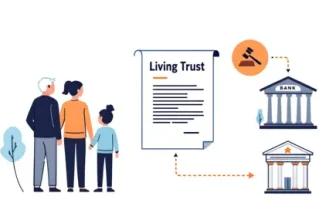
- A trust allows assets to pass directly to beneficiaries without going through probate, which can simplify the process and provide more control over how distributions are handled.
- Beneficiary Designations
- Many assets, such as retirement accounts, life insurance policies, and some investment accounts, allow you to name beneficiaries. Keeping these designations up to date ensures that your money goes to the right people without legal disputes.
- Powers of Attorney
- A financial power of attorney allows someone you trust to manage your financial affairs if you are unable to do so.
- A healthcare power of attorney names someone to make medical decisions on your behalf if you are incapacitated. This can prevent courts from stepping in to appoint a guardian or conservator.
- Living Will and Healthcare Directives
- A living will specifies your preferences for medical treatment in situations where you cannot communicate your wishes.
- Advance healthcare directives outline instructions for end-of-life care, organ donation, and specific medical interventions.
- Minimizing Taxes and Fees
- Estate taxes can reduce the amount your beneficiaries receive. Strategies such as gifting assets while alive, setting up certain types of trusts, and taking advantage of tax exemptions can help minimize this burden.
- Proper planning can also help reduce probate fees, legal costs, and other expenses tied to settling an estate.
- Providing for Minor Children
- If you have young children, naming a guardian in your will is essential. Without this, the court may decide who will care for them.
- A trust can also help manage their inheritance, ensuring that funds are used responsibly for their education, healthcare, and well-being until they reach adulthood.
- Addressing Business Interests
- If you own a business, a succession plan can determine how ownership and management responsibilities will transfer after your death.
- Buy-sell agreements, business trusts, or naming a successor in legal documents can help avoid disruptions and disputes among family members or partners.
- Managing Digital Assets
- Online bank accounts, social media, email, and digital currencies are part of modern estates.
- Including instructions for accessing and managing these assets can prevent confusion and help ensure they are handled properly.
- Charitable Giving
- If you want to leave a portion of your estate to charity, there are multiple ways to do this, such as charitable trusts or donations written into your will.
- Some methods can provide tax benefits while also supporting causes important to you.
- Regular Updates and Reviews
- A strong estate plan isn’t something you create once and forget about. Life events such as marriage, divorce, having children, or acquiring new assets should trigger a review and possible update.
- Reviewing your plan every few years ensures it still reflects your current wishes and financial situation.
An estate plan is a way to provide financial security, prevent unnecessary legal battles, and give your loved ones clarity and direction. Taking the time to create and update your plan can make a significant difference in how your assets are handled in the future.
Current Relevance
Why Estate Planning Is More Important Than Ever
More people are realizing the importance of estate planning, yet studies show that many still don’t have a plan in place. Here are some reasons why it’s more relevant than ever:
- Family Structures Are Changing: With blended families and multiple generations living together, estate planning ensures that assets go to the right people.
- Tax Laws Keep Changing: Proper planning can reduce or eliminate estate taxes, preserving more wealth for heirs.
- More Digital Assets Exist: Online bank accounts, social media, and digital investments need to be accounted for in estate plans.
- Healthcare Costs Are Rising: A solid plan can include long-term care provisions to avoid financial strain in later years.
Failing to plan can lead to unintended consequences, such as family disputes, lengthy legal proceedings, and unnecessary expenses. Taking action now ensures peace of mind for both you and your loved ones.
Practical Applications and Strategies
Examples and How to Get Started
To illustrate the importance of estate planning, let’s look at two scenarios:
Example 1: A Well-Planned Estate Maria, a widow with two children, set up a living trust, assigned beneficiaries on her accounts, and drafted healthcare directives. When she passed away, her assets were transferred smoothly without probate, reducing legal fees and stress for her family.
Example 2: No Estate Plan in Place John, a single father, never created a will. When he unexpectedly passed, his assets went through probate, taking over a year to settle. His children had to wait, and legal fees reduced their inheritance.
Steps to Get Started:
- Take Inventory of Your Assets: Include property, investments, insurance policies, and digital assets.
- Choose Key Decision-Makers: Pick an executor, trustee, and power of attorney you trust.
- Draft a Will and Consider a Trust: Work with an attorney to ensure legal validity.
- Update Beneficiaries: Ensure retirement accounts and insurance policies reflect your current wishes.
- Plan for Taxes and Healthcare: Speak with financial experts to minimize estate taxes and plan for long-term care.
Common Mistakes and Pitfalls
Common Mistakes and How to Avoid Them
Many people make errors in estate planning, leading to problems down the road. Here are a few common ones:
- Not Having a Plan: The biggest mistake is assuming estate planning isn’t necessary. Without one, state laws determine how assets are distributed.
- Failing to Update Documents: Life changes such as marriage, divorce, or having children require updates to wills and beneficiaries.
- Overlooking Digital Assets: Without proper instructions, online accounts and digital investments can become inaccessible.
- Ignoring Tax Implications: Poor planning can result in unnecessary estate taxes that reduce what’s left for heirs.
- Not Communicating Your Wishes: Families often fight over unclear instructions. Clearly outlining your intentions helps avoid disputes.
Reviewing and updating your estate plan regularly ensures that it continues to reflect your wishes and protects your loved ones.
Conclusion
Final Thoughts
Estate planning isn’t just about distributing wealth—it’s about protecting your family and ensuring that your wishes are followed. Without a plan, the legal system may take over, leading to delays, expenses, and stress for your loved ones.
Taking the time to create or update your estate plan brings peace of mind. Whether you start small with a basic will or take a more comprehensive approach, having a plan in place ensures your assets are handled the way you want. If you haven’t started yet, now is the best time to begin.