Introduction
Why a Savings Plan Matters
Have you ever wondered why some people always seem to have money set aside for emergencies, vacations, or big purchases, while others struggle to save? The answer isn’t always about how much they earn—it’s about having a solid savings plan. A structured approach to saving can help reduce stress, provide security, and make future goals more achievable.
Savings are essential for handling unexpected expenses, funding dreams, and securing long-term financial stability. This guide will explore how to create a savings plan that fits your needs, making it easier to stay on track and reach financial goals.
By the end of this article, you will understand how to set savings goals, allocate funds wisely, and avoid common mistakes that can derail progress.
Background
How Saving Has Changed Over Time
Saving money has been a fundamental financial principle for centuries. Before modern banking systems, people stored wealth in tangible assets such as gold, livestock, and land. These methods provided security but lacked convenience. As financial institutions developed, banks introduced savings accounts, offering individuals a safer and more practical way to store and grow their money. Over time, financial products evolved, giving people access to interest-bearing accounts, investment opportunities, and automated savings tools.
A savings plan is a structured method of setting aside a portion of income for future use. It ensures that financial goals are met with consistency rather than relying on leftover funds at the end of the month. To get started, it helps to understand a few important terms:
- Emergency Fund – A reserve for unexpected expenses such as medical bills, car repairs, or job loss. Experts recommend setting aside at least three to six months’ worth of expenses.
- Short-Term Savings – Money set aside for planned expenses within the next few months or years, such as a vacation, home improvements, or new appliances.
- Long-Term Savings – Funds allocated for significant future goals, including homeownership, higher education, or retirement.
- Interest – Earnings on money saved, typically offered by banks and credit unions. Higher interest rates can help savings grow more effectively over time.
- Liquidity – The ease with which savings can be accessed. Emergency funds should be highly liquid, while long-term investments may involve some restrictions on withdrawals.
Developing an effective savings habit requires planning and consistency. The key is to balance accessibility with growth, ensuring that funds are available when needed while maximizing potential earnings. Understanding these foundational concepts will make it easier to create and maintain a successful savings strategy.
Detailed Overview
Steps to Create a Savings Plan That Works
A good savings plan prioritizes setting money aside with purpose rather than relying on leftover funds. Here’s how to structure one effectively:
- Define Your Goals
Start by identifying specific reasons for saving. Some common goals include building an emergency fund, purchasing a home, funding education, or preparing for retirement. Establishing clear goals adds direction and motivation to the process. - Assess Your Income and Expenses
Review all income sources and categorize monthly expenses. Fixed costs like rent and utilities should be separated from discretionary spending such as entertainment or dining out. Identifying spending patterns helps determine where adjustments can be made. - Determine How Much to Save
A structured approach, such as the 50/30/20 rule, can help balance savings with other financial obligations:- 50% of income for necessities (housing, utilities, groceries)
- 30% for personal expenses (entertainment, hobbies, dining out)
- 20% for savings and debt reduction This breakdown can be adjusted based on individual circumstances and financial priorities.
- Select the Right Savings Accounts
Choosing the right place to store savings makes a difference in how funds grow over time:- High-Yield Savings Accounts – Offer better interest rates than traditional accounts, helping money accumulate faster.
- Certificates of Deposit (CDs) – Suitable for long-term savings, as they provide fixed interest rates for a specified period.
- Investment Accounts – Useful for growing long-term savings beyond standard interest rates, though they may involve some level of risk.
- Automate Contributions
Setting up automatic transfers to a savings account ensures consistency. Allocating funds directly after receiving income removes the temptation to spend first and save later. - Monitor and Adjust Regularly
Financial needs evolve over time, making it necessary to reassess savings goals periodically. Reviewing account balances, tracking progress, and adjusting contributions based on income changes or financial goals can keep a plan relevant and effective.
Current Relevance
How the Economy Affects Your Savings
Economic conditions shape how individuals manage their money, influencing both short-term and long-term savings decisions. Several current factors affect financial planning and the ability to save effectively.
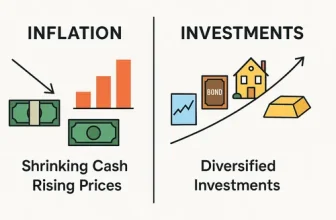
- Inflation – As prices increase, everyday expenses take up a larger share of income, making it harder to set money aside. A well-structured savings plan helps offset these rising costs by ensuring there is always a reserve available for essential needs and unexpected expenses.
- Job Market Uncertainty – Economic shifts affect employment stability. Having money set aside allows individuals to handle periods of income loss with less financial stress. Those with an emergency fund are often able to transition between jobs more smoothly without taking on unnecessary debt.
- Higher Interest Rates – Recent increases in interest rates have made some savings accounts more attractive, as they now offer better returns. This creates an opportunity for individuals to grow their funds more efficiently by selecting the right financial products.
- Technology and FinTech Apps – Advancements in financial technology have introduced new ways to track spending and automate saving. Budgeting apps, automatic savings transfers, and investment platforms make it easier to manage money effectively.
- Housing and Cost of Living Changes – Fluctuations in real estate prices and rental costs affect long-term financial goals. Those saving for a home may need to adjust their timelines based on market conditions, while renters might prioritize setting aside funds for unexpected increases in living expenses.
Practical Applications and Strategies
Real-Life Examples of Smart Saving Strategies
Case Study: Mark’s Debt Payoff and Savings Plan
Mark, a 35-year-old engineer, was struggling with credit card debt. He committed to paying off debt while saving by using a 70/20/10 rule: 70% of his income covered needs, 20% went to debt payments, and 10% was set aside for savings. Within three years, he eliminated his debt and built a strong emergency fund.
Case Study: Emily’s Car Fund
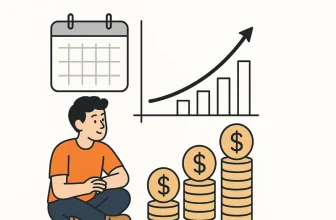
Emily wanted to buy a car without taking out a loan. She estimated she needed $15,000 and gave herself three years to save. By setting up automatic transfers of $415 per month into a separate account, she met her goal and bought her car with cash, avoiding interest payments.
Case Study: Robert’s Retirement Catch-Up Plan
Robert, at 50, realized he was behind on retirement savings. He increased his 401(k) contributions to 20% of his salary and took advantage of employer matching. Within 15 years, he significantly boosted his retirement fund, ensuring financial security in later years.
Case Study: Olivia’s Home Renovation Fund
Olivia wanted to renovate her kitchen but didn’t want to take out a loan. She opened a high-yield savings account and deposited $300 per month. In two years, she had saved $7,200, allowing her to complete the renovation debt-free.
By applying strategies like goal setting, automation, and disciplined budgeting, these individuals achieved financial stability and avoided unnecessary debt while meeting their financial goals.
Common Mistakes and Pitfalls
Common Mistakes That Can Derail Your Savings
Lack of Clear Goals
Without defined goals, it becomes difficult to stay motivated. Setting short-term and long-term savings targets provides structure and direction.
Relying on Credit for Emergencies
Using credit cards for unexpected expenses often leads to high-interest debt. Building an emergency fund reduces financial stress when unexpected costs arise.
Irregular Savings Habits
Saving only when it feels convenient leads to inconsistent progress. Automating transfers to a dedicated savings account can help maintain consistency.
Keeping Savings in Low-Interest Accounts
Holding money in accounts with little to no interest limits growth. Exploring high-yield savings accounts or other investment options can help maximize returns.
Not Adjusting to Life Changes
Financial situations shift over time. Reviewing and updating savings goals ensures they align with new priorities, whether due to career changes, family growth, or other major life events.
Neglecting to Track Expenses
Overspending can make saving difficult. Regularly reviewing financial statements and using budgeting tools can help identify areas where adjustments are needed.
Avoiding these common missteps creates a more effective and sustainable savings plan, allowing for greater financial security and flexibility.
Conclusion
Moving Forward with a Savings Plan
A solid savings plan is the key to financial security and achieving personal goals. Whether saving for an emergency fund, a major purchase, or long-term investments, having a structured plan makes it easier to stay on track.
Small changes—like automating savings, cutting unnecessary expenses, and using high-yield accounts—can make a significant difference over time. Starting today, even with a modest amount, sets the foundation for a more secure and stress-free future.