Introduction
Understanding How to Handle Debt Collectors
Picture this: you’re going about your day when your phone rings. It’s a number you don’t recognize, but you pick up. On the other end is someone demanding payment for a debt, and they’re not exactly friendly about it. What do you do?
Debt collection calls can be stressful, but knowing your rights and how to manage these situations can make all the difference. This article will walk you through everything you need to know about dealing with debt collectors effectively. By the end, you’ll have the confidence to handle these conversations with clarity and control.
Background
Debt Collection: The Basics
Debt collection has been a part of financial systems for centuries. In the past, harsh and even unlawful tactics were common, leading to widespread abuse. In response, laws such as the Fair Debt Collection Practices Act (FDCPA) were introduced to protect consumers from unethical collection methods.
A debt collector is any individual or agency tasked with recovering money owed to a creditor. These collectors can be employees of the original lender, third-party agencies hired to collect payments, or companies that purchase past-due debts for a fraction of their original value.
Common forms of debt subject to collection include:
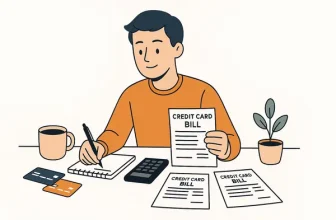
- Credit card balances – Unpaid charges that continue to accrue interest.
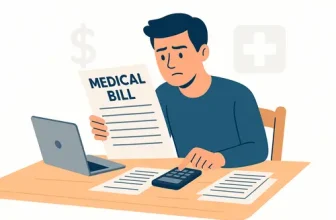
- Medical bills – Healthcare expenses that remain unpaid past their due date.
- Student loans – Borrowed funds for education that go into default.
- Personal loans – Borrowed money from banks, credit unions, or online lenders.
A few key terms to keep in mind:
- Original creditor – The entity that initially provided the loan or credit.
- Debt buyer – A company that acquires delinquent debts and attempts to collect on them.
- Statute of limitations – The timeframe within which legal action can be taken to collect a debt.
- Validation notice – A legally required letter from a collector providing details about the debt, including the original lender and amount owed.
- Charge-off – When a creditor writes off a debt as a loss but still attempts to recover payment.
Laws such as the FDCPA impose strict rules on collectors, limiting their ability to use threats, harassment, or misleading information. Despite these protections, many collectors still push boundaries, making it important to be aware of your rights when dealing with them.
Detailed Overview
What Happens When Debt Collectors Contact You?
Debt collectors use different methods to reach people, including phone calls, letters, and emails. Their objective is to collect payment, but this does not mean you should rush into a decision. There are several steps that can help you manage these interactions effectively.
- Request Written Confirmation – Any collector contacting you about a debt is required to provide a validation notice. This document should include the original lender’s name, the total amount owed, and how to dispute the claim if needed. If this letter is not sent within five days of the first contact, request it in writing before discussing payment options.
- Verify the Debt – Mistakes happen, and not every collection attempt is legitimate. Compare the details from the validation notice with your own records, past statements, or credit reports. If anything appears inaccurate, you have the right to dispute the claim.
- Know the Statute of Limitations – Each state sets a time limit for how long a collector can legally sue for an unpaid debt. If the debt is past this deadline, they may still attempt to collect but cannot take legal action. Acknowledging the debt or making a partial payment could reset this clock, so research state laws before responding.
- Document Every Interaction – Keep records of phone calls, emails, and letters from collectors. Note the date, time, and key details of conversations. Written documentation can protect you if a collector misrepresents information or violates your rights.
- Avoid Making Immediate Payments – Some collectors pressure people into paying on the spot. While this may seem like the fastest way to end the conversation, it could cause problems later. If the debt is not yours or past the statute of limitations, making a payment could create new financial obligations. Take time to assess the situation before committing.
- Stay Calm and Collected – Some collectors use aggressive language or threats to pressure people into paying. Federal laws prohibit harassment, excessive calls, and misrepresentation. If a collector crosses the line, document the incident and consider filing a complaint with the Consumer Financial Protection Bureau (CFPB) or the Federal Trade Commission (FTC).
- Consider Negotiation – If the debt is valid but you cannot afford to pay in full, a lump-sum settlement or payment plan may be an option. If negotiating, request written confirmation before sending money to prevent misunderstandings later.
These steps help protect against unfair collection practices and put you in control of how the situation is handled.
Current Relevance
Why This Matters
Debt collection has become a widespread issue affecting millions of people. Reports show that more than 70 million Americans have at least one account in collections. As personal debt levels continue to rise, more individuals are receiving collection calls and letters, making it important to be prepared.
Laws regulating collection practices continue to evolve, with agencies like the Consumer Financial Protection Bureau (CFPB) and the Federal Trade Commission (FTC) frequently updating policies to address new challenges. Some of these changes include restrictions on how often collectors can call and expanded requirements for providing clear and accurate information about debts.
Technology has changed the way collectors operate, increasing the use of emails, text messages, and online portals. While this can make communication more efficient, it has also opened the door for scams. Fake collectors often pose as legitimate agencies, pressuring people into paying debts that do not exist. Recognizing the warning signs of fraud is more important than ever.
Economic downturns and financial instability have led to an increase in unpaid debts. More people than ever are struggling to keep up with bills, making it easier to fall behind and be targeted by aggressive collection practices. Understanding how to handle these situations can help prevent unnecessary stress and financial setbacks.
Whether dealing with legitimate debts or avoiding scams, knowing how collection processes work and staying informed about changing regulations puts individuals in a stronger position. Protecting personal finances starts with being aware of rights, knowing how to verify claims, and responding in a way that avoids unnecessary risks.
Practical Applications and Strategies
Real-Life Scenarios and Solutions
Consider these common situations:
An Old Debt Comes Back
Lisa receives a call about a credit card bill from ten years ago. The collector insists she owes money and threatens legal action. She requests a validation letter, which confirms that the debt is past the statute of limitations. By refusing to acknowledge or pay, Lisa avoids unnecessary financial obligations.
Negotiating a Settlement
John owes $5,000 in medical bills. Unable to pay the full amount, he contacts the collector and negotiates a lump-sum settlement of $2,500. He ensures the agreement is documented in writing before making any payment, protecting himself from future claims.
Spotting a Scam
Mike receives an email stating he owes money. Suspicious of the details, he checks his credit report and contacts the original creditor, confirming that no such debt exists. He blocks the sender and avoids falling victim to fraud.
Wrong Debt Assigned
Susan is contacted about a loan she never took out. She requests documentation from the collector and finds that the debt belongs to someone with a similar name. She disputes the claim in writing, includes proof of identity, and the collector ceases contact.
Harassment by a Collector
Tom is repeatedly called at work and late at night by a collector. He keeps records of each call and files a complaint with the CFPB. The collector is fined, and the harassment stops.
These examples show that handling debt collectors is about strategy, not panic. With the right knowledge, you can make informed decisions that work in your favor.
Common Mistakes and Pitfalls
Mistakes People Make and How to Avoid Them
Dealing with debt collectors isn’t always straightforward, and there are common mistakes that can make things
Ignoring Debt Collectors
Avoiding calls and letters does not make a debt disappear. In some cases, ignoring collection efforts can lead to legal action. Even if you cannot pay immediately, responding in a timely manner allows you to explore options like verification, dispute, or settlement.
Admitting to a Debt Without Verification
Some people acknowledge a debt over the phone without confirming that it is accurate. This can be a costly mistake, as collectors may not have the correct details or may attempt to collect on expired debts. Always request documentation before discussing payment.
Paying Without a Written Agreement
Making a payment without a written settlement agreement can result in collectors demanding additional payments later. Before sending any money, obtain a document that confirms the agreed-upon terms and states that the remaining balance will be considered settled.
Restarting the Statute of Limitations
Even a small payment or verbal confirmation of a debt can reset the legal time period for collection efforts. If a debt is near or past the statute of limitations, research your rights before making any commitments.
Falling for Scams
Scammers posing as collectors often use pressure tactics, threats, or vague details to trick people into paying fake debts. Before making a payment, verify the collector’s legitimacy by checking with the original creditor or looking up the collection agency’s contact information.
Providing Personal or Financial Information
Some collectors may ask for banking details or Social Security numbers. Never share sensitive information without verifying the collector’s identity and ensuring the request is legitimate.
Not Seeking Legal or Financial Advice When Needed
Some debts require legal or financial guidance, especially if they involve lawsuits or significant amounts. Consulting a professional can provide clarity on rights and available options.
Conclusion
Moving Forward with Confidence
Debt collection calls can be unsettling, but knowledge is your best tool. Understanding your rights, verifying debts, and negotiating strategically can help you take control of the situation rather than feeling overwhelmed.
The next time a collector calls, remember that you have the power to manage the conversation on your terms. Whether disputing an incorrect claim, negotiating a fair settlement, or identifying a scam, you are in control of how the interaction unfolds.
Take the time to educate yourself further on consumer protection laws and financial management. The more you know, the better equipped you’ll be to handle any financial challenge that comes your way.