Introduction
Why Verifying Charities Matters
In a world filled with generosity and the desire to help others, donating to charity is one of the most common ways people try to make a positive impact. However, ensuring that your donations are truly making a difference involves more than just selecting a charity that aligns with your values. It’s essential to verify the legitimacy of a charity to avoid scams or ineffective organizations.
But why should you care about verifying a charity’s legitimacy? Quite simply, your donation matters, and knowing that it’s being used wisely ensures that your money is actually helping those in need. Whether you are donating for a tax benefit, supporting a cause close to your heart, or simply feeling philanthropic, understanding how to evaluate a charity is crucial.
In this article, you’ll learn how to confidently assess charities, protect yourself from fraud, and ensure that your money is supporting real causes. By the end, you’ll have the tools to make informed decisions about where to donate, keeping both your financial well-being and the causes you care about in mind.
Background
Understanding Charities and Terms
To verify the legitimacy of a charity, it’s important to understand the landscape of charitable organizations and how they operate. Historically, charitable giving has been an integral part of societies worldwide, dating back to ancient civilizations where religious institutions, such as temples and churches, often served as centers for charitable activities. Today, charities are regulated by government bodies to ensure transparency and ethical practices.
Key Terms:
- Charitable Organization: A nonprofit entity that operates to advance a specific social cause or provide assistance to a specific group of people.
- 501(c)(3): A section of the U.S. Internal Revenue Code that provides tax exemption to nonprofit organizations.
- Charity Navigator: A popular independent watchdog organization that evaluates and rates charities based on their financial health, accountability, and transparency.
For a charity to be legally recognized, it must register with the relevant authorities (such as the IRS in the U.S.) and meet certain standards regarding governance, financial transparency, and use of donations. Understanding these concepts will help you evaluate whether a charity is legitimate or potentially fraudulent.
Detailed Overview
Steps to Verify a Charity
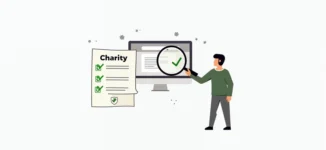
So how exactly can you verify the legitimacy of a charity? There are several critical steps you can follow, each offering a deeper insight into the organization’s credibility.
- Check Their Tax-Exempt Status: In the United States, the most reputable charities are registered as 501(c)(3) organizations, which gives them tax-exempt status. This can easily be verified through the IRS’s online database, known as the Tax Exempt Organization Search tool.
- Look for Transparency Reports: Legitimate charities often publish detailed annual reports and financial statements. These documents provide insight into how donations are being allocated. Pay attention to how much of their revenue goes toward their mission versus administrative costs. High administrative costs could signal inefficiency or misuse of funds.
- Use Charity Rating Websites: Independent organizations like Charity Navigator, GuideStar, and The Better Business Bureau (BBB) Wise Giving Alliance provide ratings and reviews based on factors like financial responsibility, accountability, and transparency. These platforms are designed to help donors assess which charities are trustworthy.
- Examine Their Online Presence: A legitimate charity will have an informative, professionally designed website. Look for transparency in their operations, such as a clear mission statement, leadership information, and access to their financial records. If the charity lacks a legitimate online presence, that’s a red flag.
- Review Donor Experiences: Reading testimonials from other donors or checking online forums can provide valuable insight. If many people have had positive experiences with a charity, it’s a good sign. Conversely, complaints or warnings about suspicious activities should not be ignored.
- Contact the Charity Directly: If you’re unsure about a charity’s legitimacy, don’t hesitate to reach out directly. Ask for their tax identification number and inquire about how donations are used. A legitimate organization will have no problem providing you with this information.
By following these steps, you can ensure that your donations are going to a legitimate organization that uses your contributions effectively.
Current Relevance
Why Charity Verification Is Vital
In today’s world, the need to verify a charity’s legitimacy is more important than ever. With the rise of online platforms and crowdfunding, it has become easier for fraudulent entities to pose as charitable organizations. According to the Federal Trade Commission (FTC), Americans lose millions each year to charity scams, particularly in the wake of natural disasters or during times of crisis when people are eager to help.
Recent Trends:
- Crowdfunding: Websites like GoFundMe allow individuals to raise funds for personal causes. While many campaigns are legitimate, they are not subject to the same level of scrutiny as registered charities. This increases the risk of fraud.
- Social Media Campaigns: Charity appeals through social media have increased dramatically. While these platforms offer an easy way to donate, it’s also easy for scammers to create fake accounts or websites posing as legitimate charities.
- COVID-19 Scams: During the pandemic, charity-related scams surged as fraudulent organizations exploited people’s goodwill. Many fake charities claimed to support healthcare workers or distribute essential supplies but instead pocketed the donations.
In a digital era where misinformation and scams are rampant, it’s crucial to stay informed. Verifying a charity’s legitimacy protects not only your finances but also ensures that your contributions are truly making an impact.
Practical Applications and Strategies
Real-Life Charity Fraud Examples
Let’s look at some real-life examples of charity fraud and ways to avoid falling victim to such scams:
Example 1: Fake Disaster Relief Organizations
After Hurricane Katrina in 2005, many fake charities popped up, claiming to provide aid to victims. These scams exploited the generosity of people wanting to help those affected. The scammers would use names that sounded similar to well-known charities to deceive donors.
Tip: Always research charities before donating during a crisis. Legitimate organizations will have a history of charitable work, and watchdog websites will usually provide quick updates about known scams during such times.
Example 2: Crowdfunding Fraud
In one case, a woman launched a GoFundMe campaign to raise funds for a veteran who was supposedly homeless. The story tugged at people’s heartstrings and raised over $400,000. It was later revealed that the entire story was fabricated, and the funds were pocketed by the campaign creator.
Tip: When donating via crowdfunding platforms, research the organizer, and ensure that the platform provides a guarantee or refund in case of fraud.
Best Practices:
- Use established charity databases like Charity Navigator or GuideStar to vet charities.
- Avoid making donations to organizations that use high-pressure tactics.
- Look for contact details, such as a physical address and phone number, on a charity’s website.
By applying these strategies, you can protect yourself from fraudulent charities and make sure your money is used wisely.
Common Mistakes and Pitfalls
Avoiding Common Donor Mistakes
Even with the best intentions, people often make mistakes when donating to charities. Understanding these common errors can help you avoid falling into similar traps.
Mistake 1: Donating Based on Emotion Alone
While emotional appeals can be powerful, donating purely based on emotion without verifying the charity’s legitimacy can lead to supporting a scam. Scammers often create emotional stories to exploit compassionate people.
Why It Happens: Emotional appeals bypass our critical thinking. When we feel a strong emotional response, we’re more likely to act impulsively, which is why scammers often use heart-wrenching stories.
How to Avoid It: Take a step back before donating. Conduct research, even if the appeal seems urgent, and verify that the charity is legitimate.
Mistake 2: Failing to Check How Donations Are Used
Some donors give to organizations without checking how their money will be spent. As a result, they may unknowingly support charities that allocate most of their funds toward administrative costs rather than the cause itself.
Why It Happens: Many donors assume that all charities use their funds effectively. However, some charities spend the majority of donations on salaries, advertising, or other overhead expenses.
How to Avoid It: Use charity rating websites to check how funds are distributed. Look for organizations that allocate a high percentage of donations to their programs.
Mistake 3: Ignoring Small Red Flags
Sometimes, donors overlook warning signs like a poorly designed website or vague information about the charity’s mission and operations. These small red flags can often indicate a larger problem.
How to Avoid It: Don’t ignore your instincts. If something seems off, dig deeper or choose another charity.
By being aware of these pitfalls, you can make smarter, more informed donations and avoid supporting fraudulent organizations.
Conclusion
Key Takeaways for Safe Donations
Verifying a charity’s legitimacy is not just about protecting your money—it’s about ensuring that your generosity reaches those who need it most. By taking the time to research, using trusted sources, and avoiding common mistakes, you can confidently donate to organizations that truly make a difference.
Main Takeaways:
- Always verify a charity’s tax-exempt status through official databases.
- Look for transparency in a charity’s operations, such as financial reports and clear leadership.
- Use charity rating platforms like Charity Navigator to assess credibility.
- Be aware of current trends in charity fraud, especially during times of crisis.
This topic is essential because charity fraud is prevalent, and your contribution should support legitimate causes. By applying these steps and remaining vigilant, you can make informed choices that maximize the impact of your donations. If you’re looking to learn more, resources like Charity Navigator and GuideStar provide comprehensive tools to continue your research.
Now that you’re equipped with the knowledge, take the next step to safeguard your charitable donations!