Introduction
Understanding Credit Counseling
What is Credit Counseling, and Why Does It Matter?
Credit counseling is a service that provides guidance and support to individuals struggling with debt and financial management. The primary goal of credit counseling is to help people understand their financial situation, develop a plan to manage their debt, and ultimately achieve financial stability. This service is particularly valuable for those who find themselves overwhelmed by credit card debt, loans, or other financial obligations.
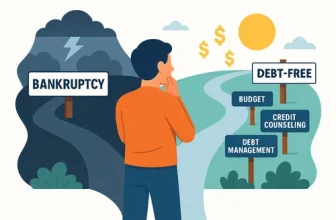
Why should you care about credit counseling? In today’s world, financial literacy is crucial. Mismanagement of finances can lead to significant stress, lowered credit scores, and even bankruptcy. Credit counseling offers a lifeline, teaching individuals how to regain control of their finances and make informed decisions that can positively impact their future.
By the end of this article, you’ll have a comprehensive understanding of what credit counseling entails, its benefits, and how it can be a pivotal tool in your financial journey.
Background
History and Basics of Credit Counseling
Where Did Credit Counseling Come From?
Credit counseling has its roots in the mid-20th century when consumer debt began to rise dramatically in the United States. The post-World War II economic boom led to an increase in consumer credit, but it also brought about new challenges in managing debt. As more people struggled with repayments, non-profit organizations began offering guidance to help individuals manage their finances, laying the foundation for modern credit counseling services.
Key Terms and Concepts
To fully understand credit counseling, it’s important to familiarize yourself with a few key terms:
- Debt Management Plan (DMP): A structured repayment plan set up by a credit counseling agency that allows individuals to repay their debts over time with reduced interest rates or fees.
- Credit Report: A detailed report of an individual’s credit history, including borrowing and repayment activity, which is used by lenders to assess creditworthiness.
- Credit Score: A numerical representation of an individual’s creditworthiness, based on their credit history.
Foundational Knowledge
Understanding these concepts is essential because they form the backbone of what credit counseling addresses. A credit counseling session typically involves reviewing your credit report, understanding your credit score, and exploring options like a Debt Management Plan (DMP) to help you manage your debts more effectively.
Detailed Overview
How Credit Counseling Works
The Step-by-Step Process of Credit Counseling
When you seek credit counseling, you’re embarking on a journey to better understand and manage your finances. The process is designed to be comprehensive, supportive, and tailored to your unique situation. Let’s break down the steps involved in credit counseling to give you a clear picture of what to expect.
1. Initial Consultation
The first step in the credit counseling process is an initial consultation, which typically lasts about 60 to 90 minutes. This session can take place in person, over the phone, or online, depending on your preferences and the services offered by the credit counseling agency. During this session, a certified credit counselor will gather detailed information about your financial situation. This includes:
- Income: Your monthly earnings from all sources, including salary, freelance work, investments, and other streams of income.
- Expenses: A breakdown of your monthly expenses, including rent or mortgage payments, utilities, groceries, transportation, insurance, and any other regular costs.
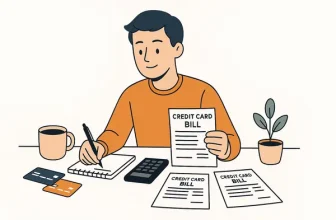
- Debts: A comprehensive list of your debts, including credit card balances, personal loans, student loans, medical bills, and any other financial obligations.
- Assets: An overview of your assets, such as savings accounts, retirement funds, investments, and property.
This in-depth review allows the counselor to understand your financial landscape and identify the areas where you may need assistance. It’s essential to be completely honest and thorough during this step to ensure the counselor has all the necessary information to help you effectively.
2. Financial Analysis
After gathering all the necessary information, the counselor will conduct a financial analysis. This step involves a detailed review of your income, expenses, and debts to assess your financial health. The counselor will look for patterns, such as overspending in certain categories, high-interest debt, or inconsistencies between your income and expenses.
During this analysis, the counselor may identify opportunities to reduce expenses, such as cutting unnecessary subscriptions or finding more affordable alternatives for recurring costs. They may also evaluate your current debt repayment strategies and identify areas where you could save on interest or fees.
3. Creating a Budget
One of the key components of credit counseling is creating a personalized budget. Based on the financial analysis, the counselor will work with you to develop a realistic budget that aligns with your financial goals. This budget will prioritize essential expenses, such as housing, utilities, and groceries, while allocating funds for debt repayment and savings.
The budget may also include discretionary spending categories, such as entertainment and dining out, but these will be carefully managed to ensure they don’t interfere with your ability to pay down debt and save for the future. The goal of the budget is to create a sustainable financial plan that allows you to live within your means while gradually improving your financial situation.
4. Exploring Debt Repayment Options
If you’re struggling with multiple debts, the counselor will help you explore various debt repayment options. One common strategy is the Debt Management Plan (DMP), which consolidates your unsecured debts into a single monthly payment. Here’s how a DMP works:
- Consolidation: The counselor will work with your creditors to consolidate your debts into one manageable payment. This simplifies your repayment process and reduces the risk of missing payments.
- Reduced Interest Rates: Credit counselors often have relationships with creditors and can negotiate lower interest rates on your behalf. This can significantly reduce the total amount you pay over time.
- Waived Fees: In some cases, the counselor may be able to negotiate the waiver of late fees or other penalties, further easing your financial burden.
- Fixed Payment Schedule: A DMP typically involves a fixed payment schedule that spans three to five years. During this time, you make a single monthly payment to the credit counseling agency, which then disburses the funds to your creditors.
While a DMP can be a powerful tool for debt management, it’s important to note that it’s not suitable for everyone. The counselor will help you determine if a DMP is the right option for you based on your financial situation and goals.
5. Financial Education and Counseling
A significant aspect of credit counseling is education. Throughout the process, the counselor will provide you with valuable financial education tailored to your needs. This may include:
- Understanding Credit Scores: You’ll learn how credit scores are calculated, what factors influence your score, and how to improve it over time.
- Reading a Credit Report: The counselor will teach you how to read and interpret your credit report, helping you identify errors or areas that need attention.
- Managing Debt: You’ll gain insights into effective debt management strategies, such as the debt snowball and debt avalanche methods, and how to prioritize your debt payments.
- Saving and Investing: The counselor may provide guidance on building an emergency fund, saving for long-term goals, and exploring investment options for future growth.
- Avoiding Financial Pitfalls: You’ll learn about common financial pitfalls, such as predatory lending practices, and how to avoid them.
This educational component is crucial because it equips you with the knowledge and tools needed to maintain financial stability long after your counseling sessions have ended.
6. Ongoing Support and Monitoring
Credit counseling doesn’t end after the initial consultation and the creation of a plan. Many credit counseling agencies offer ongoing support and monitoring to help you stay on track. This can include:
- Regular Check-Ins: The counselor may schedule follow-up sessions to review your progress, address any challenges, and adjust your plan as needed.
- Access to Resources: You’ll have access to educational resources, workshops, and online tools that can further enhance your financial knowledge.
- Accountability: The ongoing relationship with your counselor provides a level of accountability that can help you stay committed to your financial goals.
Ongoing support is particularly valuable for those who are working through a Debt Management Plan or who need additional guidance as they navigate their financial journey.
The Benefits of Credit Counseling
Now that we’ve explored the process, let’s discuss why credit counseling is an effective solution for many people.
1. Personalized Financial Advice
One of the most significant benefits of credit counseling is the personalized advice you receive. Unlike generic financial advice you might find online, credit counseling is tailored to your unique situation. The counselor takes the time to understand your financial goals, challenges, and opportunities, and then provides specific recommendations that align with your needs.
2. Debt Relief and Management
For those burdened by debt, credit counseling can offer tangible relief. Whether through a Debt Management Plan or other strategies, credit counseling can help you reduce your debt load, lower your interest rates, and create a manageable repayment plan. This not only alleviates financial stress but also sets you on a path to becoming debt-free.
3. Improved Financial Literacy
A key outcome of credit counseling is improved financial literacy. You’ll gain a deeper understanding of how to manage your money, build credit, and avoid common financial mistakes. This knowledge is invaluable and can lead to long-term financial stability and success.
4. Better Financial Habits
Credit counseling helps you develop better financial habits, such as budgeting, saving, and responsible credit use. These habits are crucial for maintaining financial health and achieving your long-term goals. By instilling these habits early on, credit counseling can have a lasting positive impact on your financial life.
5. Emotional and Mental Relief
Financial stress can take a significant toll on your mental and emotional well-being. Credit counseling offers a structured, supportive environment where you can address your financial concerns and develop a plan to overcome them. This can lead to a reduction in stress and anxiety, improving your overall quality of life.
Why Credit Counseling Works
Credit counseling is effective because it combines expert guidance with practical, actionable steps. It addresses the root causes of financial distress—whether it’s overspending, high-interest debt, or lack of financial knowledge—and provides a clear, manageable path to recovery. Additionally, the support and accountability offered by credit counseling agencies ensure that you’re not navigating your financial challenges alone.
By taking a holistic approach to your finances, credit counseling not only helps you resolve immediate issues but also empowers you to build a stronger, more secure financial future. Whether you’re facing overwhelming debt or simply looking to improve your financial habits, credit counseling offers the tools, education, and support you need to succeed.
Current Relevance
How Credit Counseling Has Evolved
In recent years, credit counseling has become more accessible and tailored to individual needs. With the rise of online counseling services, people can now access financial advice from the comfort of their homes. This shift has made it easier for individuals to seek help, regardless of their location.
Recent Trends and Statistics
Recent statistics indicate that consumer debt continues to rise, with credit card debt reaching record levels in many countries. This has increased the demand for credit counseling services. Additionally, more people are recognizing the importance of financial literacy, leading to a greater emphasis on educational programs within credit counseling services.
The Impact on You
For many, the impact of credit counseling can be profound. It can mean the difference between financial ruin and financial stability. By helping you understand your financial situation and offering a clear path forward, credit counseling empowers you to make informed decisions that can positively affect your financial future.
Practical Applications and Strategies
Practical Applications of Credit Counseling
Real-Life Examples
Consider the case of Sarah, a single mother with significant credit card debt. Overwhelmed by her financial situation, Sarah sought the help of a credit counseling agency. The counselor reviewed her finances and recommended a Debt Management Plan (DMP). By consolidating her debts into a single payment with a lower interest rate, Sarah was able to pay off her debt in five years, significantly reducing her financial stress.
Another example is John, a recent college graduate with student loans and credit card debt. Through credit counseling, John learned how to create a budget that prioritized his debt repayment while still allowing him to save for the future. This guidance helped him manage his finances effectively and avoid falling into deeper debt.
Tips and Best Practices
If you’re considering credit counseling, here are a few tips to keep in mind:
- Choose a reputable agency: Look for non-profit agencies accredited by organizations like the National Foundation for Credit Counseling (NFCC).
- Be honest about your finances: The more accurate your financial information, the better your counselor can assist you.
- Follow the plan: A Debt Management Plan or budget only works if you stick to it. Commit to following the guidance provided by your counselor.
- Continue learning: Financial education doesn’t end with a counseling session. Continue to educate yourself about personal finance to maintain financial health.
Common Mistakes and Pitfalls
Avoiding Common Mistakes
Mistakes to Watch Out For
One common mistake people make is assuming that credit counseling will immediately solve all their financial problems. While it can provide significant assistance, it’s not a quick fix. It requires commitment and time to see results.
Another misconception is that credit counseling will hurt your credit score. While enrolling in a Debt Management Plan might temporarily impact your credit score, the long-term benefits often outweigh this initial dip. Over time, as you pay down your debt, your credit score is likely to improve.
Why These Mistakes Happen
These mistakes often occur due to a lack of understanding about how credit counseling works. Many people are desperate for a quick solution and may not fully grasp the time and effort required to achieve financial stability.
How to Avoid Pitfalls
To avoid these pitfalls, it’s crucial to have realistic expectations. Understand that credit counseling is a process, not an overnight solution. Additionally, stay informed about your financial situation and remain proactive in following the advice given by your counselor.
Conclusion
Wrapping Up
Key Takeaways
Credit counseling plays a vital role in helping individuals manage their debt and achieve financial stability. By providing guidance on budgeting, debt management, and financial education, credit counseling can empower you to take control of your finances.
Why This Matters
Understanding the role of credit counseling is important because it offers a practical solution for those struggling with debt. In a world where financial literacy is more important than ever, credit counseling provides the tools and knowledge necessary to navigate the complexities of personal finance.
Next Steps
If you’re struggling with debt, consider reaching out to a credit counseling agency to explore your options. Continue educating yourself about personal finance, and take proactive steps to improve your financial situation. By doing so, you’ll be better equipped to achieve financial stability and peace of mind.Key Takeaways
Credit counseling plays a vital role in helping individuals manage their debt and achieve financial stability. By providing guidance on budgeting, debt management, and financial education, credit counseling can empower you to take control of your finances.
Why This Matters
Understanding the role of credit counseling is important because it offers a practical solution for those struggling with debt. In a world where financial literacy is more important than ever, credit counseling provides the tools and knowledge necessary to navigate the complexities of personal finance.
Next Steps
If you’re struggling with debt, consider reaching out to a credit counseling agency to explore your options. Continue educating yourself about personal finance, and take proactive steps to improve your financial situation. By doing so, you’ll be better equipped to achieve financial stability and peace of mind.