
Letter of Credit
A Letter of Credit (LC) is a financial document issued by a bank or other financial institution that guarantees the payment of a specified amount of money to a beneficiary, typically a seller, upon the fulfillment of certain conditions, usually related to the delivery of goods or services. This document serves as a safeguard for both buyers and sellers in international trade, ensuring that the seller will receive payment as long as the agreed-upon terms are met, and providing the buyer with assurance that payment will only be made if the terms are fulfilled.
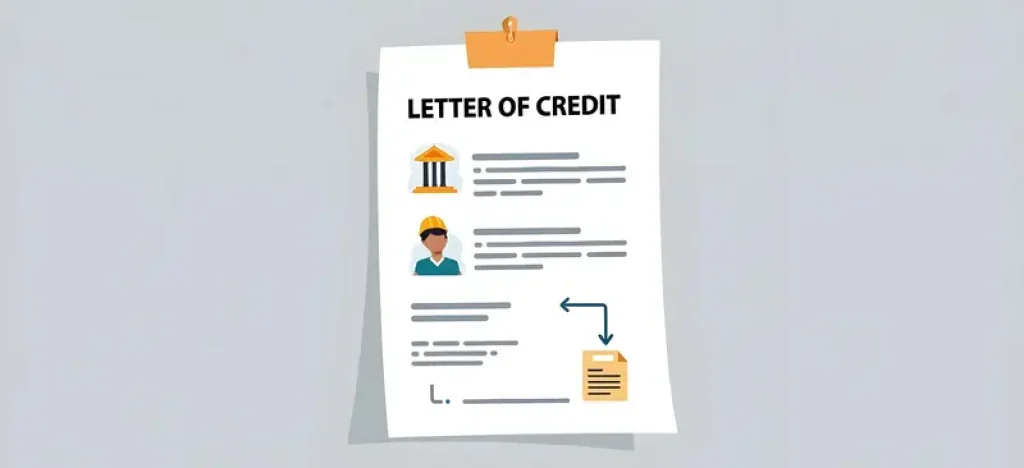
Key Terms
- Applicant: The applicant is the party, usually the buyer, who requests the issuance of the Letter of Credit from their bank. The applicant is responsible for ensuring that the terms of the LC align with the contract of sale and for providing the necessary funds to the bank.
- Beneficiary: The beneficiary is the party, typically the seller, who receives the payment under the Letter of Credit. The beneficiary must present the required documents, such as shipping documents, invoices, and certificates, to the issuing bank to receive payment.
- Issuing Bank: This is the bank that issues the Letter of Credit on behalf of the applicant. The issuing bank is responsible for ensuring that the beneficiary receives payment if all conditions outlined in the LC are met. The bank also plays a critical role in verifying the authenticity and accuracy of the documents submitted by the beneficiary.
- Advising Bank: The advising bank acts as an intermediary between the issuing bank and the beneficiary. Located in the beneficiary’s country, the advising bank is responsible for verifying the authenticity of the Letter of Credit and conveying it to the beneficiary.
- Confirming Bank: In some cases, a confirming bank is involved in the transaction. This bank, usually located in the beneficiary’s country, adds its guarantee to the Letter of Credit, ensuring that the beneficiary will receive payment even if the issuing bank fails to honor the LC.
- Documents Required: The Letter of Credit specifies the documents that the beneficiary must provide to receive payment. These documents often include a commercial invoice, bill of lading, insurance documents, and certificates of origin or inspection. The documents serve as proof that the terms of the sale have been met.
- UCP 600: The Uniform Customs and Practice for Documentary Credits (UCP 600) is a set of international guidelines that govern the use of Letters of Credit. It is published by the International Chamber of Commerce (ICC) and provides standardized rules and procedures to ensure consistency and reliability in LC transactions worldwide.
Letters of Credit are fundamental tools in international trade, where trust between buyers and sellers may be limited due to geographical distance, differing legal systems, and the complexities of cross-border transactions. The primary purpose of an LC is to mitigate the risks associated with international trade by providing a trusted third-party guarantee that payment will be made if the conditions of the contract are fulfilled.
The LC process begins when the buyer and seller agree to use an LC as a method of payment in their sales contract. The buyer then approaches their bank (the issuing bank) to issue an LC in favor of the seller (the beneficiary). The issuing bank creates the LC, detailing the conditions under which payment will be made, including the necessary documents that the seller must present.
Once the LC is issued, it is typically sent to an advising bank in the seller’s country. The advising bank verifies the authenticity of the LC and informs the seller. Upon shipment of the goods, the seller presents the required documents to the advising bank, which then forwards them to the issuing bank for review. If the documents comply with the terms of the LC, the issuing bank releases the payment to the seller.
Letters of Credit are particularly valuable in situations where the buyer and seller have not established a long-term business relationship, or where the seller is concerned about the buyer’s ability to pay. By involving banks in the transaction, both parties can conduct business with greater confidence and security.
Importance
The importance of Letters of Credit in international trade cannot be overstated. They provide a secure payment method that reduces the risk for both buyers and sellers, fostering trust and facilitating trade across borders. Specifically, LCs help:
- Ensure Payment: For sellers, an LC guarantees that they will receive payment as long as they meet the agreed-upon terms, significantly reducing the risk of non-payment.
- Protect Buyers: Buyers are assured that payment will only be made if the seller fulfills the terms of the sale, providing a layer of protection against fraud or non-delivery of goods.
- Facilitate Trade: By providing a reliable method of payment, LCs encourage international trade by reducing the financial risks associated with cross-border transactions.
Challenges
Despite their benefits, Letters of Credit can be complex and costly to arrange. The process involves careful drafting of the LC to ensure that the terms are clear and comprehensive. Additionally, the costs associated with issuing, advising, and confirming LCs can be substantial, particularly for small businesses. Misunderstandings or discrepancies in the required documents can also lead to delays in payment or disputes between the parties.
In conclusion, a Letter of Credit is an essential financial instrument in international trade, offering protection and assurance to both buyers and sellers. Understanding how LCs work, their components, and the process involved is crucial for businesses engaged in cross-border transactions. Despite the challenges, the security and reliability provided by LCs make them a preferred choice for many international trade deals.
« Back to Index