Introduction
Exploring Yachts in Wealth Management
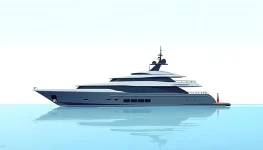
When most people think about wealth management, their minds often drift to stock portfolios, real estate investments, or even private equity. However, an exclusive asset class that plays a significant role in the portfolios of the ultra-wealthy is luxury yachts. These vessels aren’t just about lavish vacations; they represent a unique intersection of lifestyle, investment, and financial strategy.
Why This Topic Matters
Luxury yachts might seem like mere toys for the rich, but they actually serve as sophisticated financial tools within wealth management. Understanding their role is crucial for anyone interested in the broader picture of wealth preservation and growth. By the end of this article, you’ll gain insight into how yachts can be leveraged to optimize wealth management, mitigate tax liabilities, and even enhance one’s financial portfolio.
What You’ll Learn
Through this article, you’ll discover:
- The historical significance and evolution of yachts as a symbol of wealth.
- The specific financial advantages of owning a luxury yacht.
- How yachts fit into the broader context of wealth management.
- Practical examples of yacht ownership as a financial strategy.
- Common pitfalls in managing such high-value assets.
Let’s embark on this journey to explore how luxury yachts navigate the waters of wealth management.
Background
Yachting History & Key Concepts
The Origins and Evolution of Yachting
Luxury yachting dates back to the early 17th century when the Dutch used the term “jacht” (meaning “hunt”) to describe fast, light vessels. These were initially used for chasing pirates, but over time, they became symbols of power and prestige, especially among European royalty. The modern concept of the luxury yacht began to take shape in the early 20th century, with wealthy individuals commissioning bespoke vessels designed not just for transportation but for leisure and status.
Key Terms to Understand
Before delving deeper, it’s essential to grasp a few key concepts:
- Yacht: A large, often privately owned vessel equipped for luxury and recreational use.
- Charter: The rental of a yacht, often complete with a crew, for a specified period.
- Depreciation: The reduction in value of an asset over time, a concept crucial in understanding the financial implications of yacht ownership.
- Operational Costs: Expenses associated with running and maintaining a yacht, including crew salaries, fuel, and docking fees.
Foundational Knowledge
To appreciate the role of luxury yachts in wealth management, one must understand the principles of asset diversification and lifestyle investing. Yachts are not just about the money spent but about the lifestyle they represent. Wealth management often involves balancing tangible assets that not only hold monetary value but also enhance the owner’s quality of life. This dual nature makes luxury yachts a unique asset in financial planning.
Detailed Overview
Financial Benefits of Luxury Yachts
The Financial Merits of Owning a Yacht
Owning a luxury yacht can be likened to owning a piece of floating real estate. These vessels can appreciate in value, especially when they are custom-built or belong to a renowned shipyard. Furthermore, yachts can be chartered out when not in use, generating income that offsets operational costs and contributes to the overall financial portfolio.
Tax Advantages and Strategic Location
One of the less obvious financial advantages of yacht ownership lies in tax optimization. Depending on where the yacht is registered, owners can benefit from favorable tax regimes. Countries like the Cayman Islands or Malta offer reduced VAT rates on yacht purchases and charters, as well as other tax incentives that make these locations attractive for yacht registration.
Wealth Preservation Through Diversification
In wealth management, diversification is key to reducing risk and preserving wealth. Yachts provide a unique form of diversification, combining the benefits of luxury real estate with the mobility of an asset that can be relocated across international waters. This flexibility is particularly valuable for high-net-worth individuals who may face varying tax laws, political climates, or economic conditions across different jurisdictions.
Enhancing Status and Building Legacy
Beyond the financials, yachts are status symbols that enhance the owner’s social standing and network. Hosting business meetings or private gatherings aboard a luxury yacht can lead to new opportunities and partnerships. Furthermore, yachts can be part of an estate plan, passed down through generations, thereby preserving the legacy and affluence of a family.
Current Relevance
Current Trends in Yacht Ownership
The Luxury Yacht Market Today
The global yacht market has seen significant growth, driven by an increase in the number of ultra-high-net-worth individuals (UHNWIs) and the desire for exclusive, private experiences. As of recent years, the market is estimated to be worth over $10 billion, with a steady demand for both new builds and second-hand yachts. Innovations in technology have also led to the development of eco-friendly yachts, which appeal to the environmentally conscious wealthy.
Trends in Yacht Ownership and Chartering
A noticeable trend is the shift towards yacht chartering rather than ownership. Many UHNWIs prefer the flexibility of chartering different yachts for different occasions without the responsibility of maintenance and management. This has led to a booming charter market, where yachts are seen not just as private assets but as profitable businesses.
The Impact on Wealth Management
These trends impact wealth management strategies significantly. The rise in chartering means that yachts can be more easily monetized, contributing to the owner’s cash flow. Moreover, the emphasis on sustainability is leading to yachts that hold their value better over time, as they align with the growing demand for green investments.
Practical Applications and Strategies
Real-World Yacht Investment Tips
Case Study: The Investment Potential of Yacht Ownership
Consider the case of a tech billionaire who invested in a luxury yacht, not just for personal use but as part of a broader wealth management strategy. By registering the yacht in a tax-efficient jurisdiction and chartering it out when not in use, the owner was able to offset much of the operational costs. Over time, the yacht appreciated in value due to its pedigree and custom features, making it a lucrative part of the billionaire’s asset portfolio.
Applying the Knowledge: Tips for Prospective Yacht Owners
- Choose the Right Registration: Selecting a jurisdiction with favorable tax laws can significantly reduce ownership costs.
- Leverage Chartering: When not in use, consider chartering the yacht to generate income.
- Invest in Maintenance: Regular upkeep ensures the yacht maintains or even increases in value.
- Consider Eco-Friendly Options: Yachts with green credentials are becoming more desirable, offering potential for higher resale value.
Strategies for Maximizing Value
To maximize the financial benefits of yacht ownership, it’s essential to approach it as both a lifestyle choice and a business decision. Engaging with a yacht management company can help navigate the complexities of chartering, maintenance, and legal compliance, ensuring that the yacht remains a valuable asset in the wealth management portfolio.
Common Mistakes and Pitfalls
Avoiding Pitfalls in Yacht Ownership
Common Mistakes in Yacht Ownership
One of the most common mistakes in yacht ownership is underestimating the total cost of ownership. Beyond the purchase price, owners must account for maintenance, crew salaries, insurance, docking fees, and more. Failure to budget for these expenses can lead to financial strain.
Misconceptions About Yacht Investment
Another misconception is that yachts always appreciate in value. While certain yachts, particularly those with historical significance or from prestigious builders, may appreciate, most yachts depreciate over time. Understanding this reality is crucial to setting realistic expectations.
How to Avoid These Pitfalls
- Comprehensive Budgeting: Create a detailed budget that includes all potential costs, not just the purchase price.
- Realistic Expectations: Approach yacht ownership with the understanding that it’s a lifestyle investment, not necessarily a financial one.
- Professional Management: Hire professionals to manage the yacht, ensuring it is maintained properly and complies with all legal requirements.
Conclusion
Key Takeaways & Final Thoughts
Key Takeaways
Luxury yachts offer more than just a lavish lifestyle; they are a unique asset class within wealth management. From tax advantages and income generation through chartering to status enhancement and legacy building, yachts play a multifaceted role in the financial strategies of the ultra-wealthy. However, prospective owners must approach this investment with a clear understanding of the associated costs and realistic expectations about value appreciation.
The Importance of Understanding This Niche
For those involved in wealth management or considering luxury yacht ownership, understanding the financial implications is crucial. Yachts are not just about personal pleasure; they are an integral part of a well-rounded wealth management strategy, offering both tangible and intangible benefits.
Next Steps
If you’re intrigued by the idea of incorporating a luxury yacht into your wealth management strategy, consider consulting with a financial advisor who specializes in luxury assets. They can help navigate the complexities and ensure that your investment aligns with your broader financial goals. The world of luxury yachting is as vast and deep as the oceans themselves, offering endless opportunities for those who know how to steer the course.