Introduction
Introduction to Collectible Car Investing
Investing in collectible cars is a fascinating and potentially lucrative endeavor that combines passion with financial acumen. Whether you’re a car enthusiast looking to turn your hobby into an investment or an investor seeking diversification, the world of classic cars offers a unique opportunity to own a piece of automotive history while potentially reaping significant financial rewards.
Why This Topic Matters:
Collectible cars aren’t just about driving pleasure; they are a tangible asset that has the potential to appreciate in value over time. As the market for classic and exotic cars grows, so does the interest in understanding how to invest wisely. This topic is crucial for anyone looking to navigate this niche investment space, where knowledge and strategy can significantly impact your returns.
What You Will Learn:
By the end of this article, you’ll have a clear understanding of how to approach investing in collectible cars, including the history of this market, key factors to consider, current trends, practical examples, and common pitfalls to avoid. Whether you’re starting your collection or looking to expand it, this guide will equip you with the knowledge to make informed decisions.
Background
Historical Context and Key Concepts
A Brief History of Collectible Cars
The concept of investing in collectible cars dates back several decades, with the hobby gaining significant traction in the mid-20th century. As automobile manufacturing evolved, certain models began to stand out for their design, performance, and historical significance. Over time, these vehicles became sought-after collectibles, cherished not just for their aesthetic and engineering qualities but also for their rarity and potential as investments.
Key Terms and Concepts
- Classic Cars: Generally, vehicles that are over 20 years old but still maintain value due to their historical significance, rarity, or unique features.
- Vintage Cars: Typically refers to vehicles manufactured between 1919 and 1930.
- Exotic Cars: High-performance, often luxury cars that are rare and expensive, usually newer models.
- Appreciation: The increase in value of a car over time.
- Restoration: The process of returning a car to its original condition, which can significantly affect its value.
Foundational Knowledge
Understanding the collectible car market requires knowledge of automotive history, market trends, and the factors that contribute to a car’s value. These include the car’s make and model, rarity, condition, and provenance (the history of ownership). It’s also essential to recognize that investing in cars is not just about financial return but also about passion and personal enjoyment.
Detailed Overview
In-Depth Guide to Car Valuation
The Merits of Investing in Collectible Cars
Investing in collectible cars offers a compelling mix of financial and personal rewards. For many, the allure of this investment lies in the unique combination of owning a tangible asset with the potential for significant appreciation in value. Here’s a deeper look into the various merits of investing in collectible cars:
- Appreciation Potential:
Unlike standard vehicles, which typically lose value as soon as they leave the dealership, collectible cars have the potential to appreciate over time. This appreciation is driven by a combination of factors, including rarity, historical significance, and demand among collectors. For example, a limited-production Ferrari or a rare variant of a Porsche can see its value increase significantly, sometimes even doubling or tripling over a few years. This potential for appreciation makes collectible cars an attractive investment, particularly for those looking to diversify their portfolio with alternative assets. - Tangible and Enjoyable Asset:
One of the most unique aspects of investing in collectible cars is the ability to physically enjoy your investment. Unlike stocks or bonds, which are intangible and often abstract, a collectible car can be driven, displayed, and experienced firsthand. This personal connection to the investment can provide a sense of satisfaction and pride that is hard to match with other types of assets. For many collectors, the joy of driving a classic car or showcasing it at a car show is just as important as the potential financial return. - Diversification of Investment Portfolio:
Collectible cars can serve as a valuable diversification tool within an investment portfolio. Traditional investments like stocks and bonds can be volatile, especially during economic downturns. Tangible assets like collectible cars often behave differently in the market, sometimes appreciating when other investments are underperforming. This diversification can help mitigate risk and provide a more balanced and resilient investment strategy. - Cultural and Historical Significance:
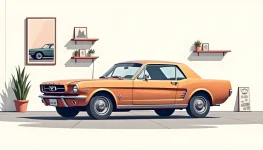
Many collectible cars are not just vehicles; they are pieces of history. Cars like the 1960s Ford Mustang or the 1950s Mercedes-Benz 300 SL Gullwing are iconic representations of their era, embodying the design, engineering, and cultural values of the time. Owning such a car is like owning a piece of history, and this cultural and historical significance adds another layer of value to the investment. Collectors often take pride in preserving and celebrating the history of these vehicles, and the cultural impact of these cars can sometimes even increase their market value.
Factors Influencing the Value of Collectible Cars
The value of a collectible car is influenced by several critical factors, each of which plays a role in determining its potential as an investment. Understanding these factors is essential for making informed decisions:
- Rarity:
Rarity is perhaps the most crucial factor in determining a car’s value. The fewer the number of a particular model produced or remaining, the higher its potential value. Limited production runs, unique editions, or cars that have survived in small numbers due to age or historical events are often the most sought after by collectors. For instance, cars like the Ferrari 250 GTO, of which only 36 were ever made, are highly coveted and have fetched record prices at auctions. - Condition:
The condition of a car is another significant factor in its valuation. Cars that have been well-preserved or meticulously restored to their original state generally command higher prices. Collectors value cars that maintain their original parts, paint, and interiors. Even minor imperfections or the need for extensive restoration can significantly reduce a car’s value. It’s also worth noting that over-restoring a car, or altering it in ways that deviate from its original factory specifications, can detract from its value among purist collectors. - Originality:
Originality refers to the extent to which a car has retained its factory-original components and features. Collectors often place a premium on cars that have not been modified or altered, especially those that still have their original engines, transmissions, and interiors. “Matching numbers” – where the serial numbers of the major components match the original production records – are particularly desirable. A car with all-original parts is typically valued higher than one that has undergone extensive modifications, even if those modifications enhance performance. - Provenance:
Provenance is the documented history of a car’s ownership, and it can significantly influence its value. Cars with well-documented histories, especially those with celebrity owners, notable race victories, or appearances in famous movies, tend to be more valuable. The more detailed and prestigious a car’s history, the more attractive it becomes to potential buyers. For example, a car once owned by a famous actor or musician might fetch a higher price than a similar model with no such connection. - Market Trends:
The collectible car market is subject to trends and shifts in demand, much like any other investment market. Certain models or eras of cars may become more popular due to cultural nostalgia, media attention, or changing tastes among collectors. For instance, the growing interest in cars from the 1980s and 1990s among younger collectors has led to a surge in the value of vehicles from that era. Staying informed about current market trends is essential for making strategic investment decisions.
Risks and Considerations
While the potential rewards of investing in collectible cars are substantial, there are also risks and considerations that must be carefully weighed:
- Market Fluctuations:
Like any market, the collectible car market can be volatile. Prices can rise and fall based on economic conditions, changes in collector preferences, and other external factors. Investors must be prepared for the possibility that the value of their cars could decrease over time, particularly if market trends shift away from the types of cars they own. - High Costs of Ownership:
Owning a collectible car comes with significant ongoing costs, including storage, maintenance, insurance, and potential restoration. These costs can add up quickly and must be factored into the overall investment strategy. For example, a rare car might require climate-controlled storage to prevent deterioration, and insurance premiums can be high due to the car’s value and rarity. - Illiquidity:
Collectible cars are not as liquid as stocks or bonds. Selling a car can take time, and finding the right buyer who appreciates the car’s value and is willing to pay the asking price can be challenging. This lack of liquidity means that investors may need to hold onto their cars for longer periods before realizing a return on their investment. - Potential for Devaluation:
While many collectible cars appreciate in value, there is also the potential for devaluation. Factors such as damage, market saturation, or the introduction of newer, more desirable models can negatively impact a car’s value. Investors should be aware that not every car will appreciate, and some may even lose value over time. - Emotional Attachment:
One of the unique risks in this market is the potential for emotional attachment to cloud investment decisions. Collectors may overvalue a car due to personal nostalgia or sentimental reasons, leading to poor financial decisions. It’s essential to approach collectible car investing with a clear, objective mindset and to separate personal passion from investment strategy.
Investing in collectible cars offers a unique blend of financial opportunity and personal enjoyment, but it requires a deep understanding of the factors that influence value and the risks involved. By carefully considering the rarity, condition, originality, provenance, and market trends, investors can make informed decisions that maximize their chances of success in this niche market. However, it’s also crucial to be aware of the high costs, market volatility, and emotional factors that can impact this type of investment.
Current Relevance
Current Market Trends and Relevance
The Current State of the Collectible Car Market
The collectible car market has seen remarkable growth in recent years. According to industry reports, certain models have appreciated by over 300% in the last decade. This growth is driven by a combination of factors, including increased interest from younger generations, the rise of online auction platforms, and the limited availability of classic models.
Recent Trends and Developments
- Online Auctions: Platforms like Bring a Trailer and Classic Car Auctions have made it easier for buyers and sellers to connect, broadening the market’s accessibility.
- Younger Collectors: Millennials and Gen Z are increasingly interested in cars from the 1980s and 1990s, shifting the focus from traditional classics to more modern vehicles.
- Sustainability Concerns: As environmental awareness grows, there’s a rising interest in electric and hybrid collectible cars, though traditional internal combustion engine (ICE) vehicles still dominate the market.
Impact on Financial Decisions Today
Investing in collectible cars today requires a keen understanding of both traditional and emerging trends. With the market’s increasing digitalization and changing demographic, investors need to adapt their strategies. For instance, investing in modern classics from the 1980s and 1990s might offer a better return than older models, depending on current demand.
Practical Applications and Strategies
Examples and Case Studies
Applying the Knowledge: Practical Steps
- Research Extensively: Before purchasing, research the model’s history, current market value, and potential for appreciation. Use resources like auction results, car clubs, and expert opinions.
- Inspect Thoroughly: Always inspect the car in person or hire a professional to assess its condition, originality, and potential restoration needs.
- Consider the Total Cost: Factor in the cost of storage, maintenance, insurance, and potential restoration. These can significantly impact your overall return on investment.
- Start Small: If you’re new to the market, consider starting with a less expensive model. As you gain experience and confidence, you can move on to higher-value investments.
Case Studies
- 1960s Ford Mustang: A well-maintained Mustang from the 1960s, particularly the Shelby GT variants, has seen significant appreciation due to its iconic status in American automotive history.
- 1980s Porsche 911: Once overlooked, the 1980s Porsche 911 models have become highly sought after, with prices rising steadily over the past decade, reflecting the growing interest in modern classics.
- Ferrari 250 GTO: One of the most famous examples, the Ferrari 250 GTO, is a highly coveted collectible, with prices reaching upwards of $70 million at auction due to its rarity and racing pedigree.
Tips and Best Practices
- Join a Car Club: Being part of a community can provide valuable insights, networking opportunities, and access to exclusive deals.
- Stay Informed: Keep up with market trends, attend auctions, and read industry publications to stay ahead of the curve.
- Patience is Key: The market for collectible cars can be volatile. Patience and timing are crucial for maximizing returns.
Common Mistakes and Pitfalls
Avoiding Common Investment Mistakes
Common Mistakes
- Overpaying: One of the most common mistakes is overpaying for a car due to excitement or lack of market knowledge. Always do your due diligence to ensure you’re paying a fair price.
- Ignoring Maintenance Costs: Collectible cars require ongoing maintenance, which can be expensive. Failing to account for these costs can erode your investment returns.
- Buying Without a Plan: Some investors buy cars without a clear investment strategy, leading to poor financial outcomes. It’s essential to have a plan, whether it’s for short-term flipping or long-term appreciation.
Why These Mistakes Happen
These mistakes often occur due to a lack of research, emotional attachment to a particular model, or underestimating the complexities of car ownership. Enthusiasts may also be swayed by trends without fully understanding the market dynamics, leading to impulsive decisions.
How to Avoid These Pitfalls
- Educate Yourself: The more you know about the market, the better your investment decisions will be. Take the time to learn from experts, attend workshops, and immerse yourself in the car culture.
- Set a Budget: Determine a budget that includes the purchase price, restoration, maintenance, and storage. Stick to this budget to avoid financial strain.
- Think Long-Term: While some cars may appreciate quickly, others take years to gain value. Plan your investment with a long-term perspective.
Conclusion
Conclusion and Next Steps
Main Takeaways
Investing in collectible cars is a unique blend of passion and financial strategy. By understanding the history, market trends, and the key factors that influence a car’s value, you can make informed decisions that align with your investment goals. Whether you’re drawn to classic American muscle cars, elegant European sports cars, or modern classics, the world of collectible cars offers endless opportunities for those willing to do their homework.
Why This Topic Matters
As an investor, knowing how to diversify your portfolio with tangible assets like collectible cars can provide financial security and personal enjoyment. This market is not just for seasoned collectors; it’s accessible to anyone willing to learn and engage with the vibrant car community.
Next Steps
If you’re interested in starting or expanding your collection, begin by researching models that interest you, join car clubs, and attend auctions to gain firsthand experience. The journey of investing in collectible cars is as rewarding as it is educational. For further reading, consider books on automotive history, market analysis, and investment strategies specific to classic cars.